About Gabon

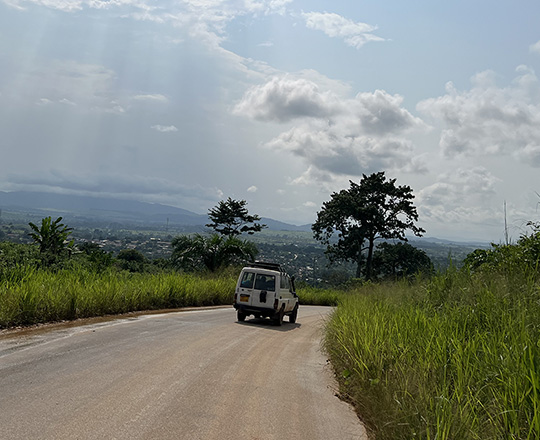
Gabon is located right on the equator on the west coast of Africa. It is about the same size as New Zealand but only has a population of 2.3 million. A third of this population lives in the capital called Libeville.
In 2002 only 1.2 million people lived in Gabon, indicating that the country is doubling in size every 25 years. The average age (median age) of the people in Gabon is low, 21 years and the life expactancy in Gabon is also low, 67 years, but this is increasing rapidly.

Gabon

Gabon

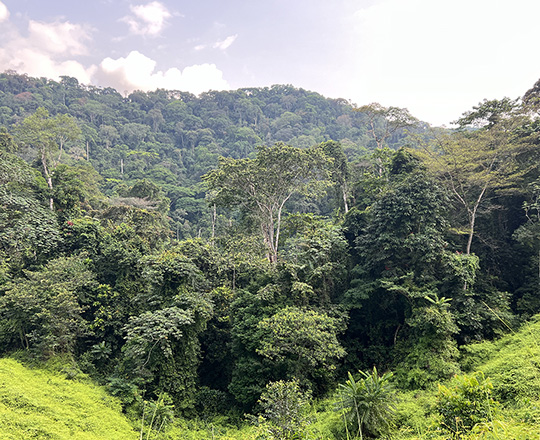
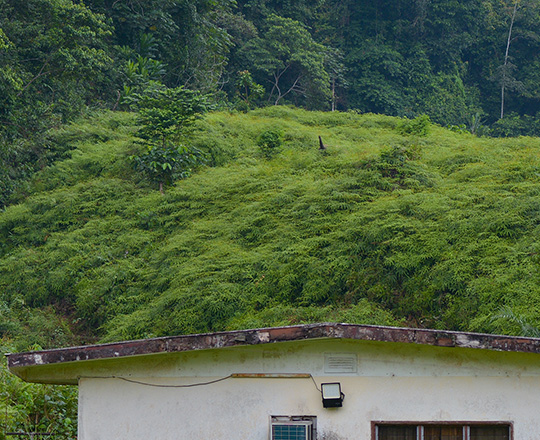
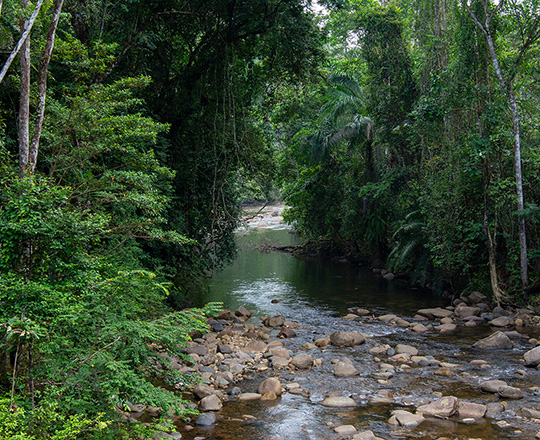
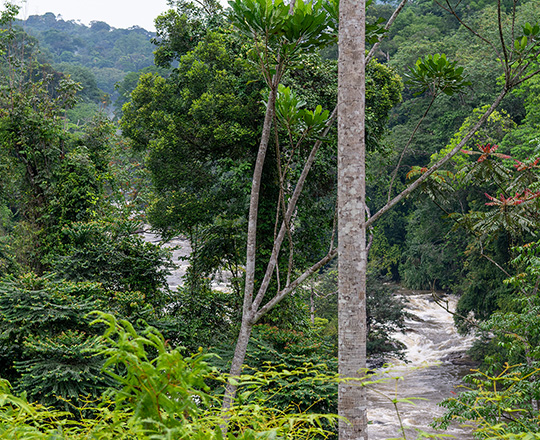
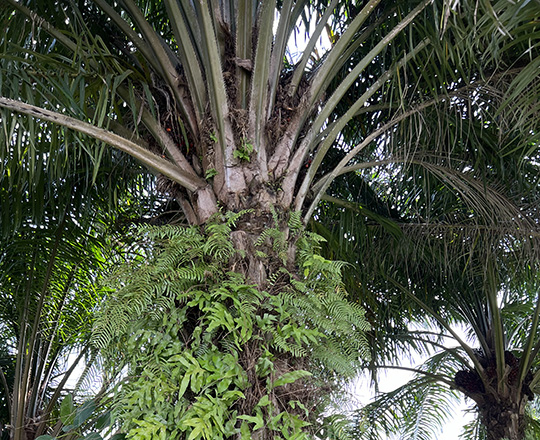
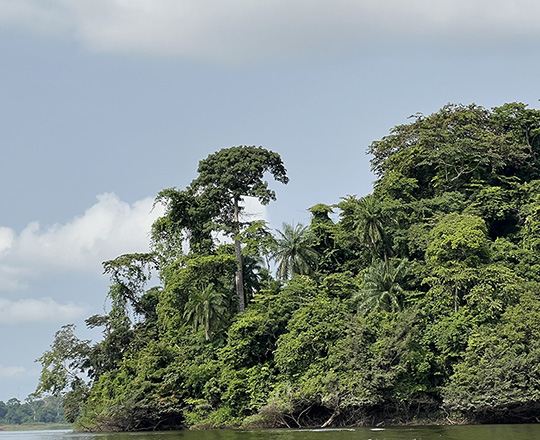
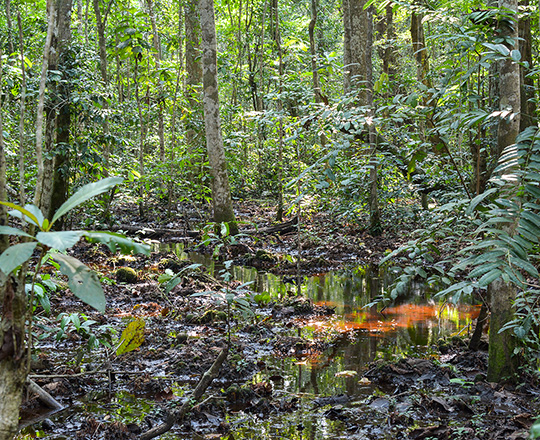
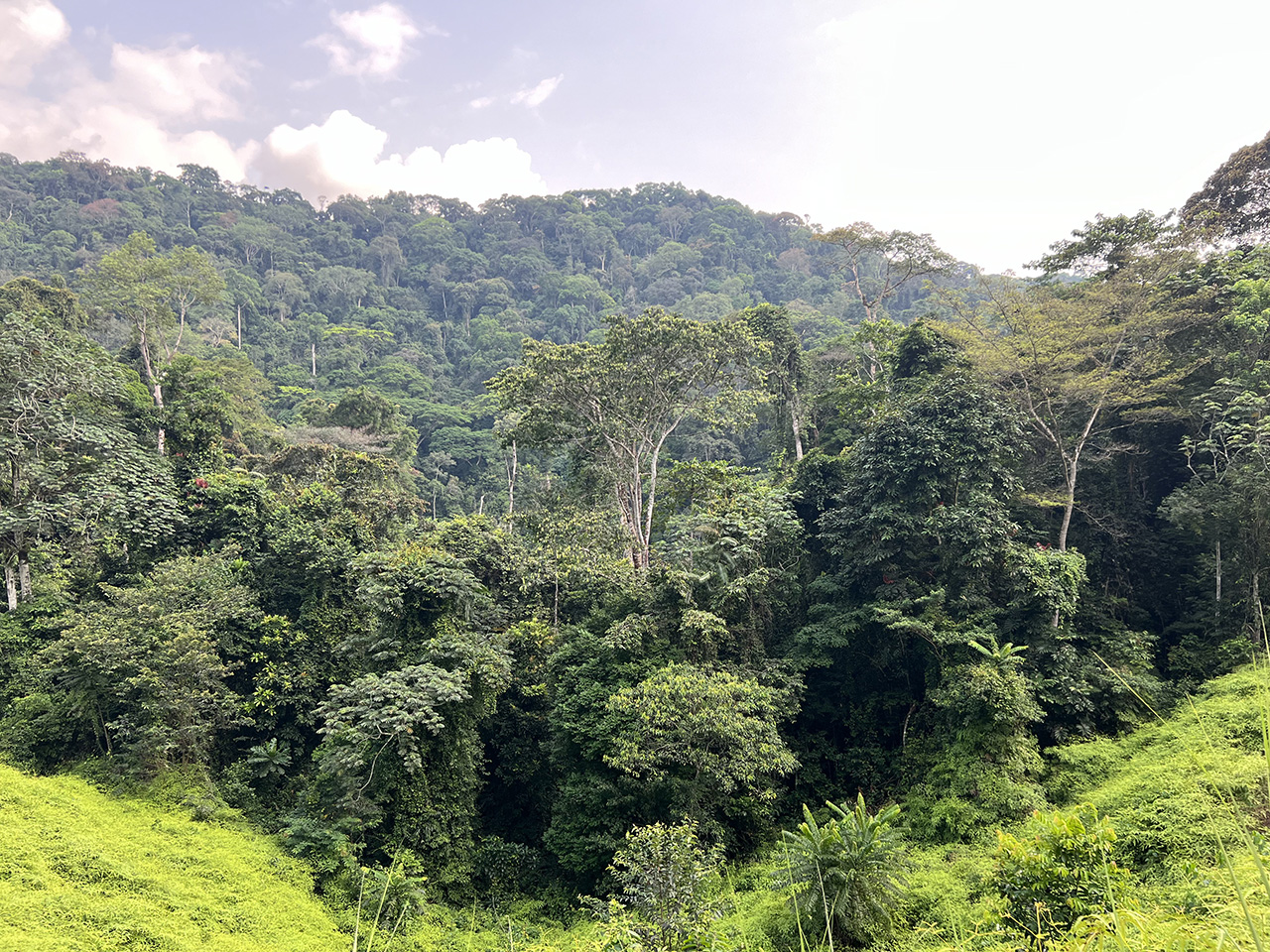
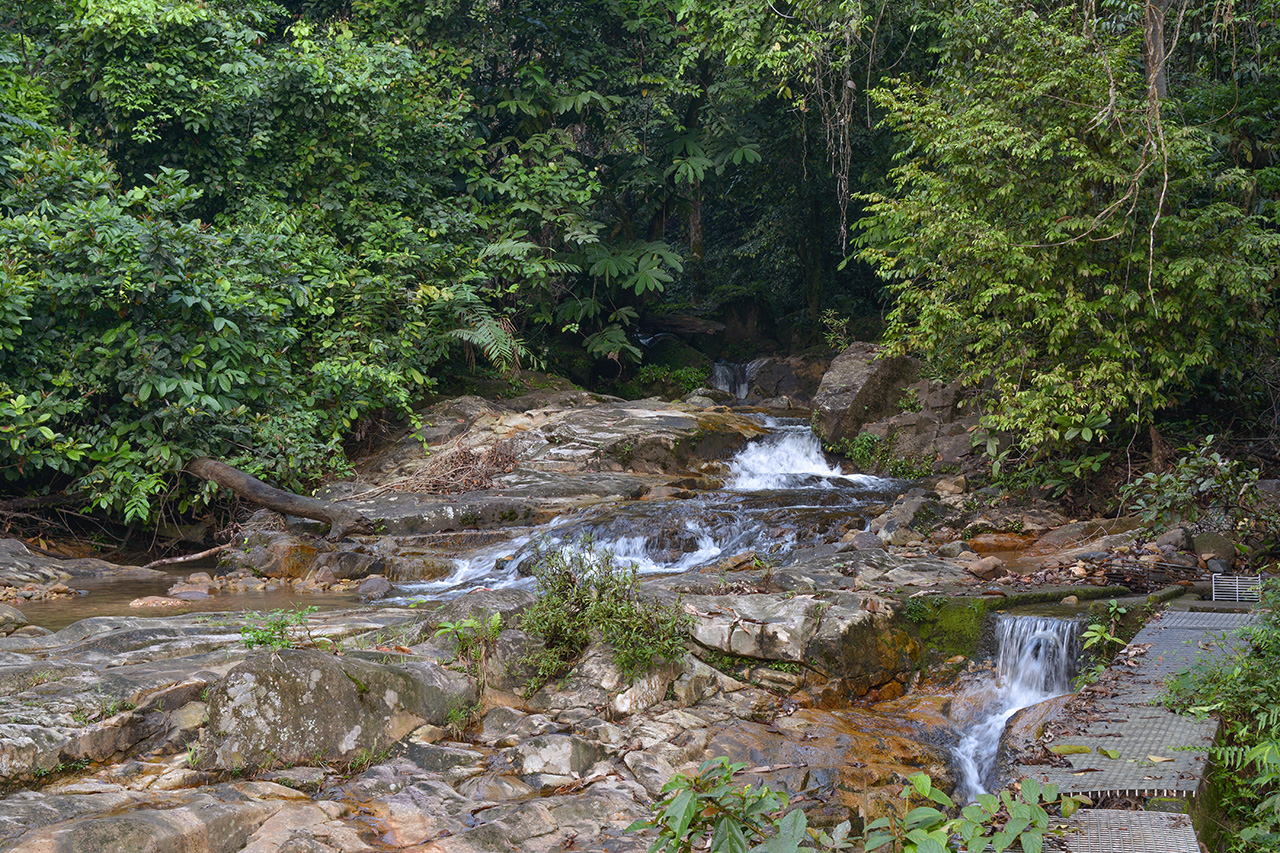
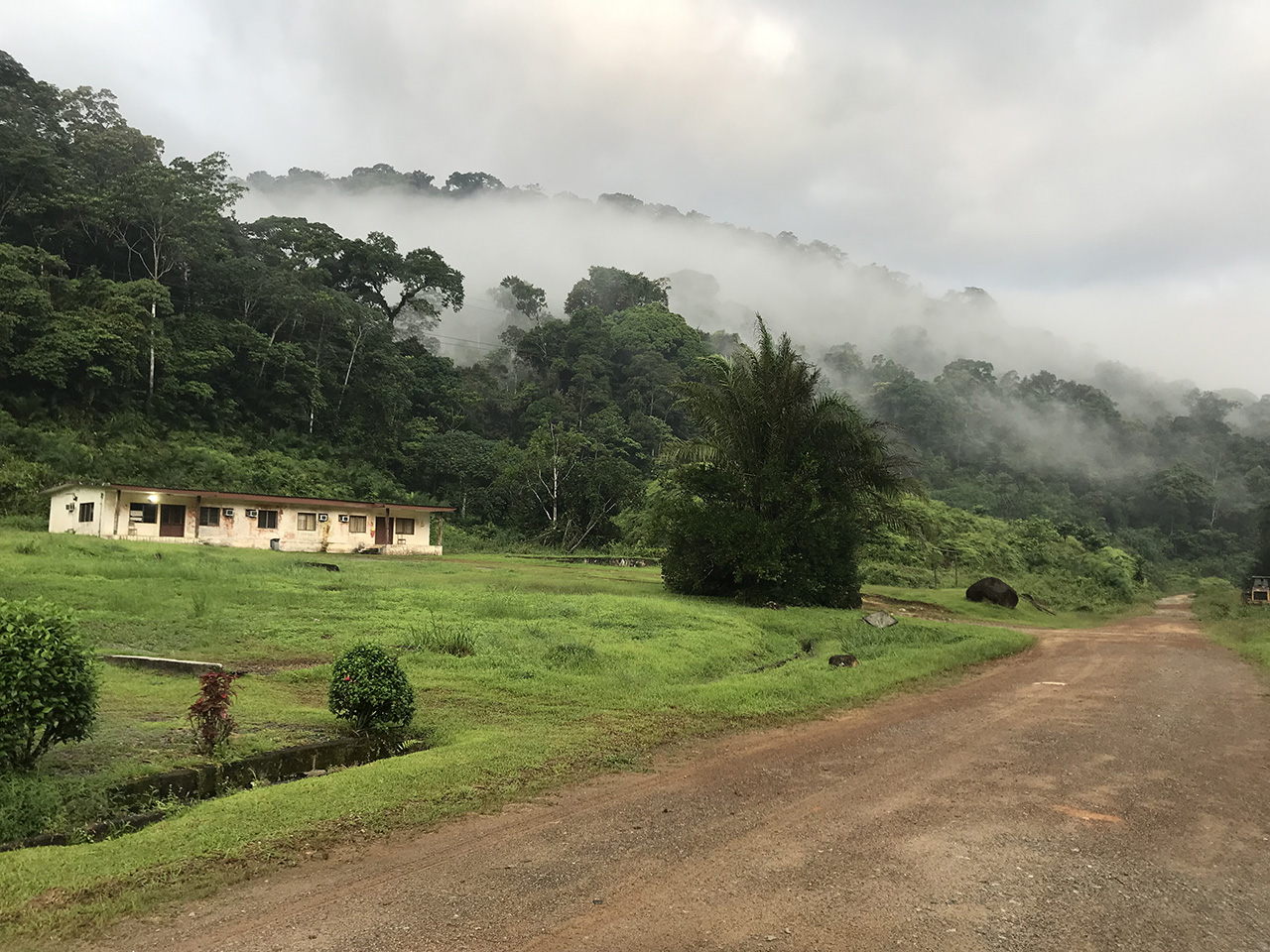
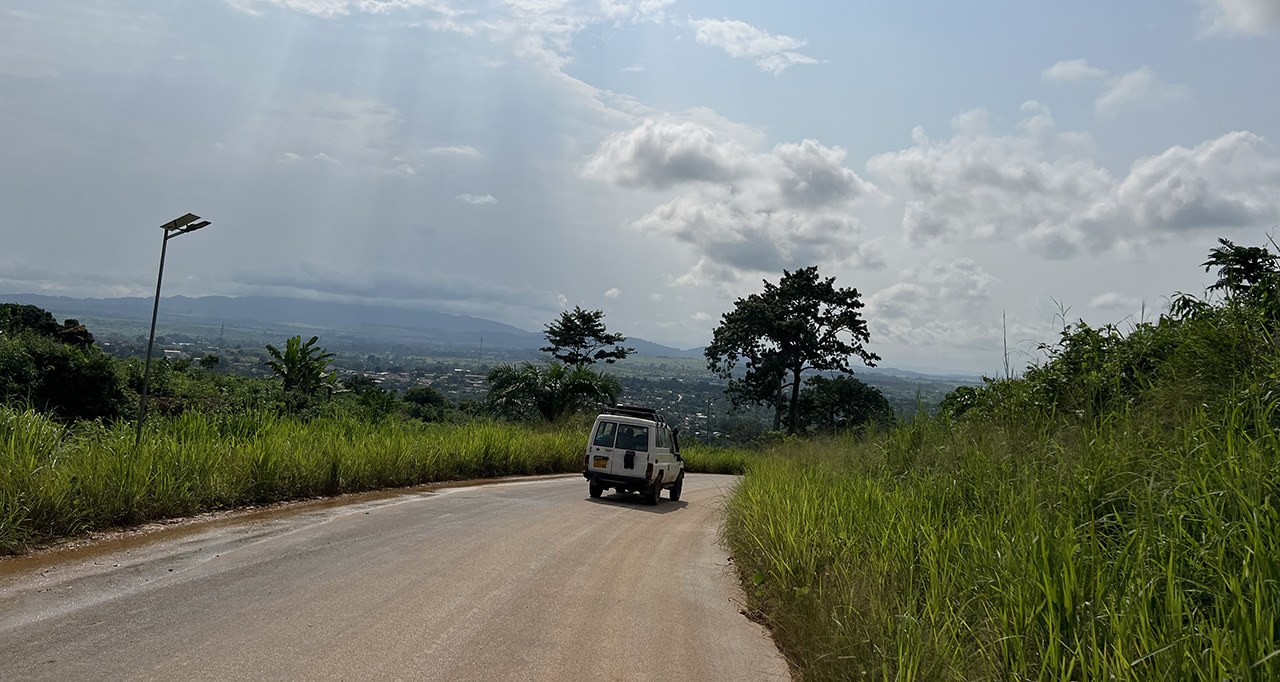
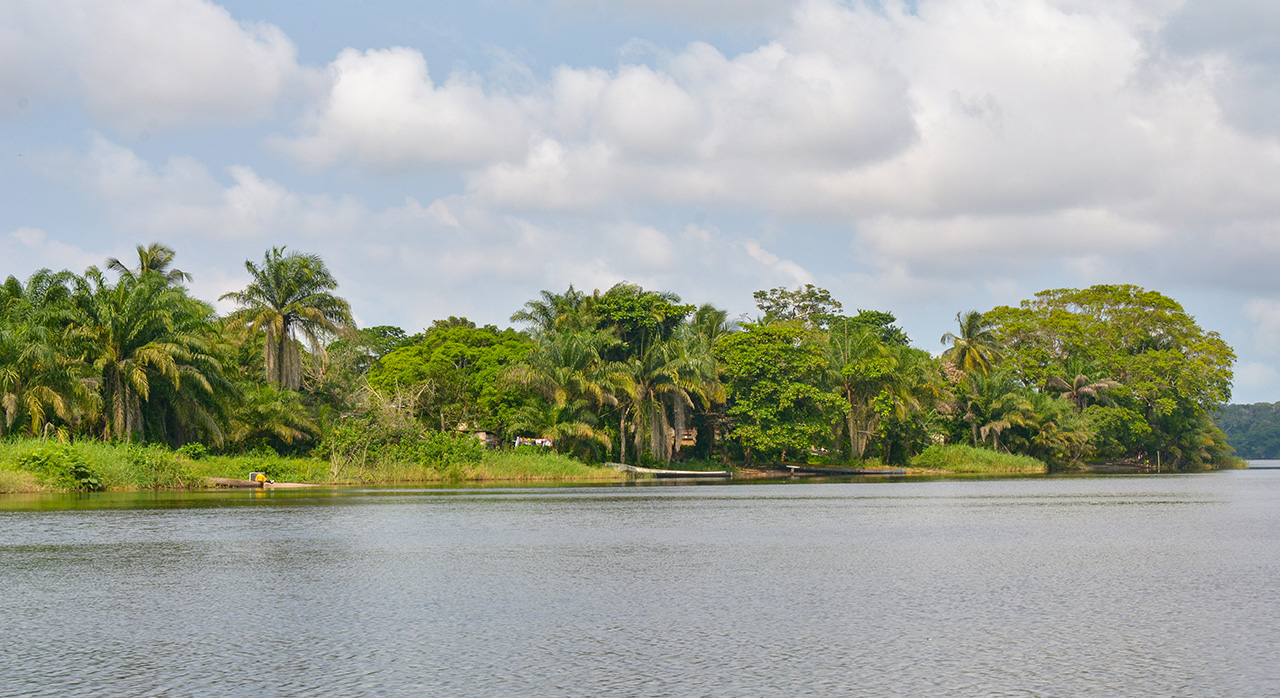
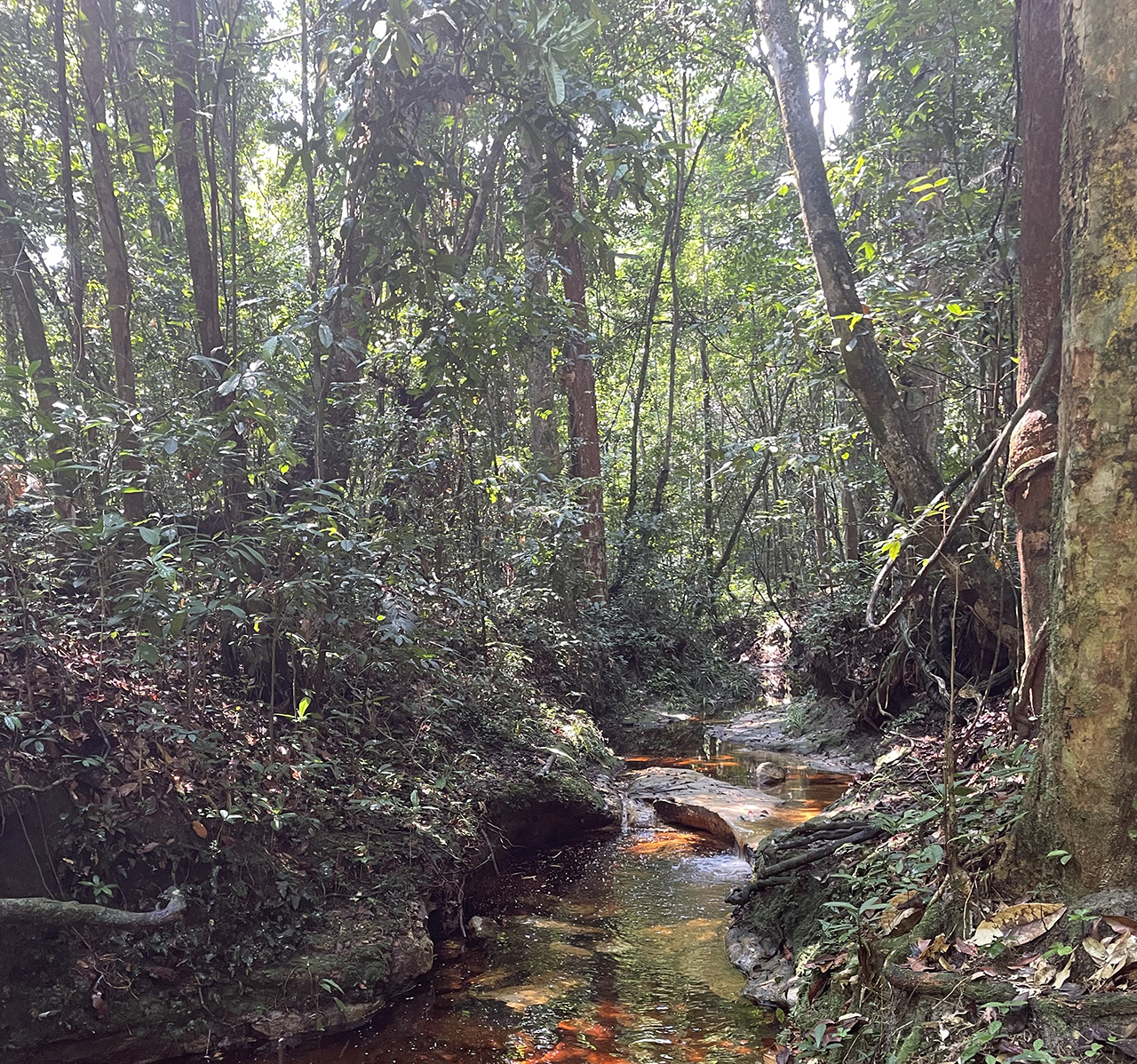
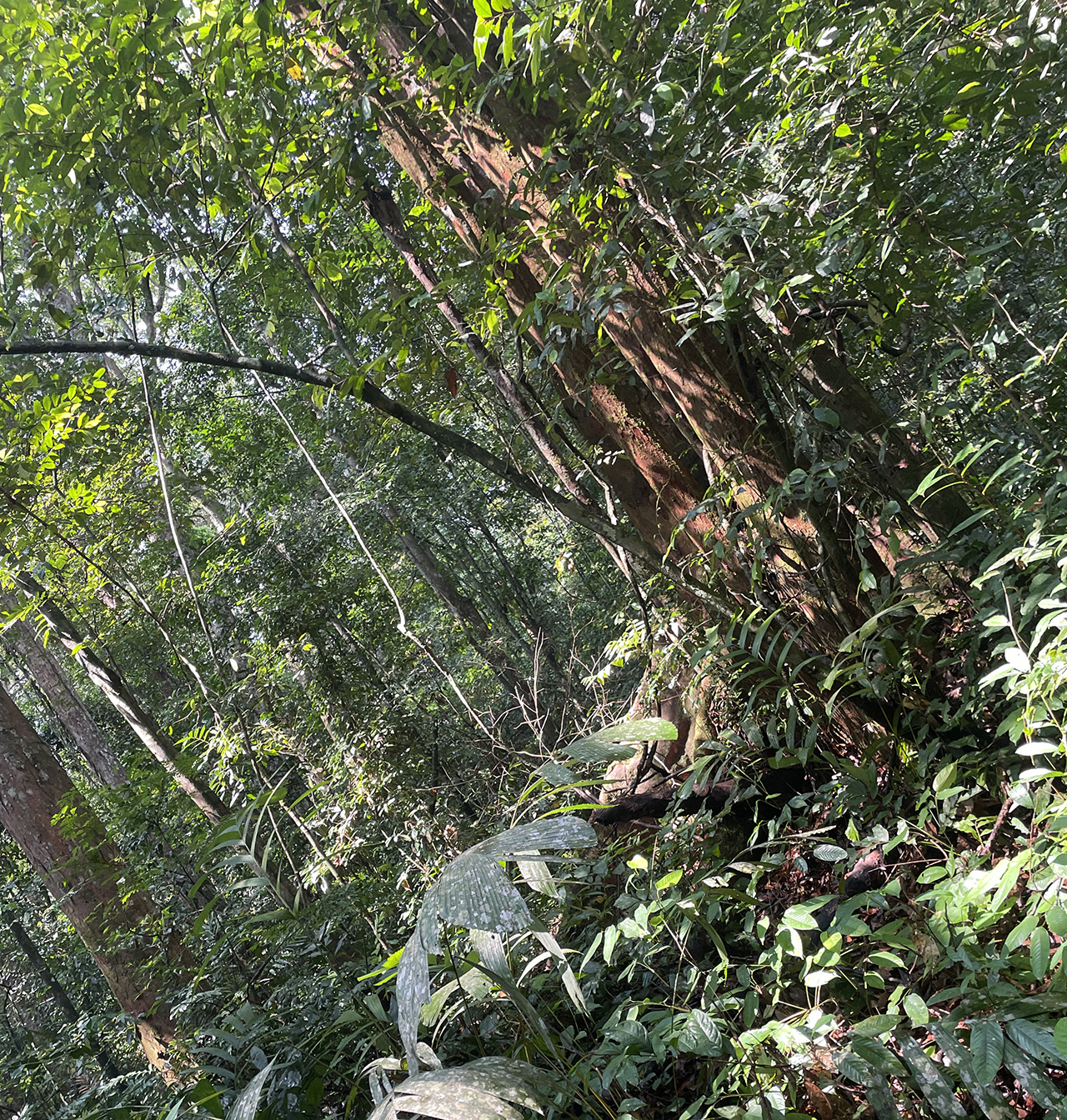
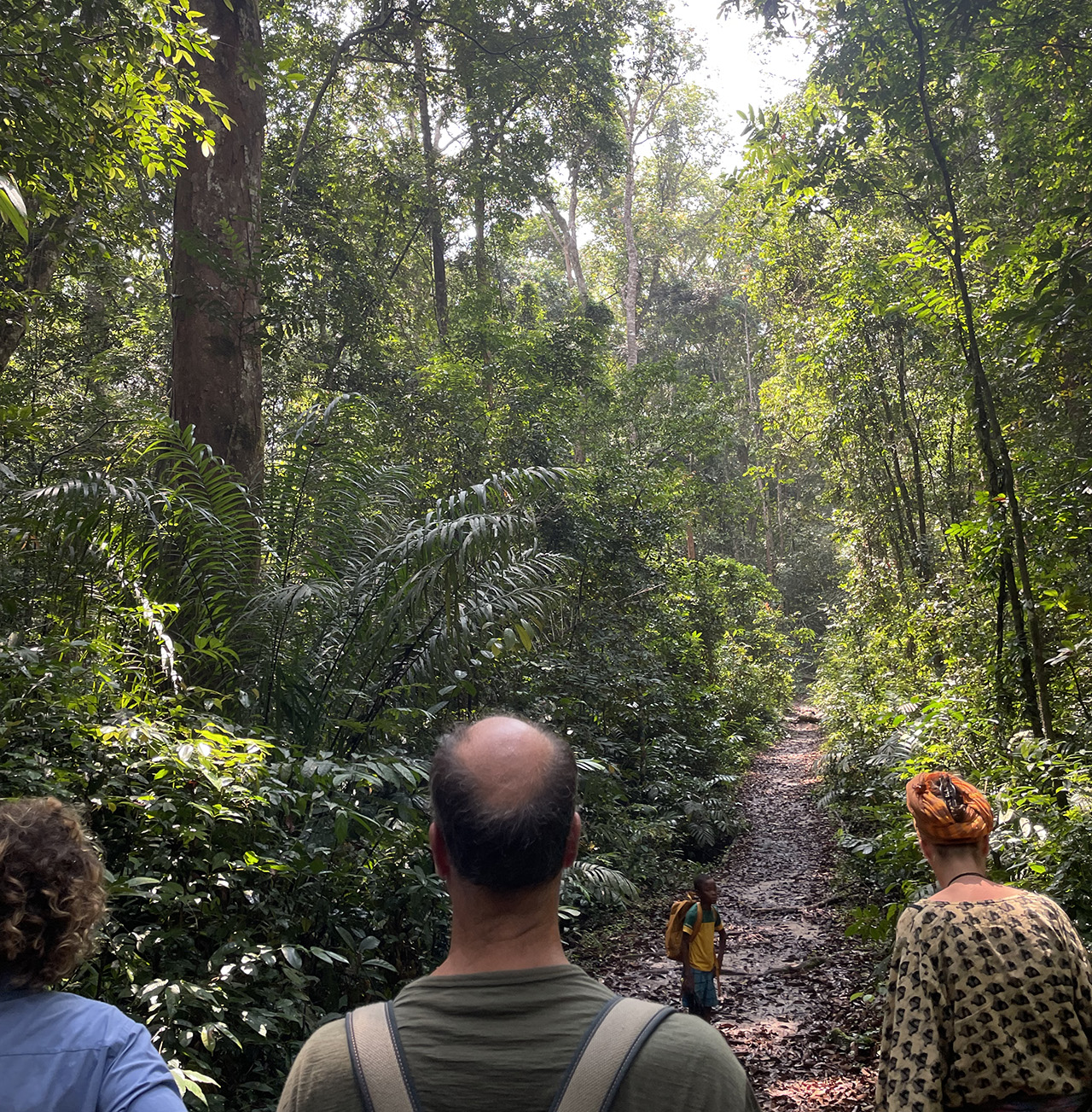
But Gabon is a big country, so even with 2.3 million people, you understand that most of Gabon is one big rainforest.

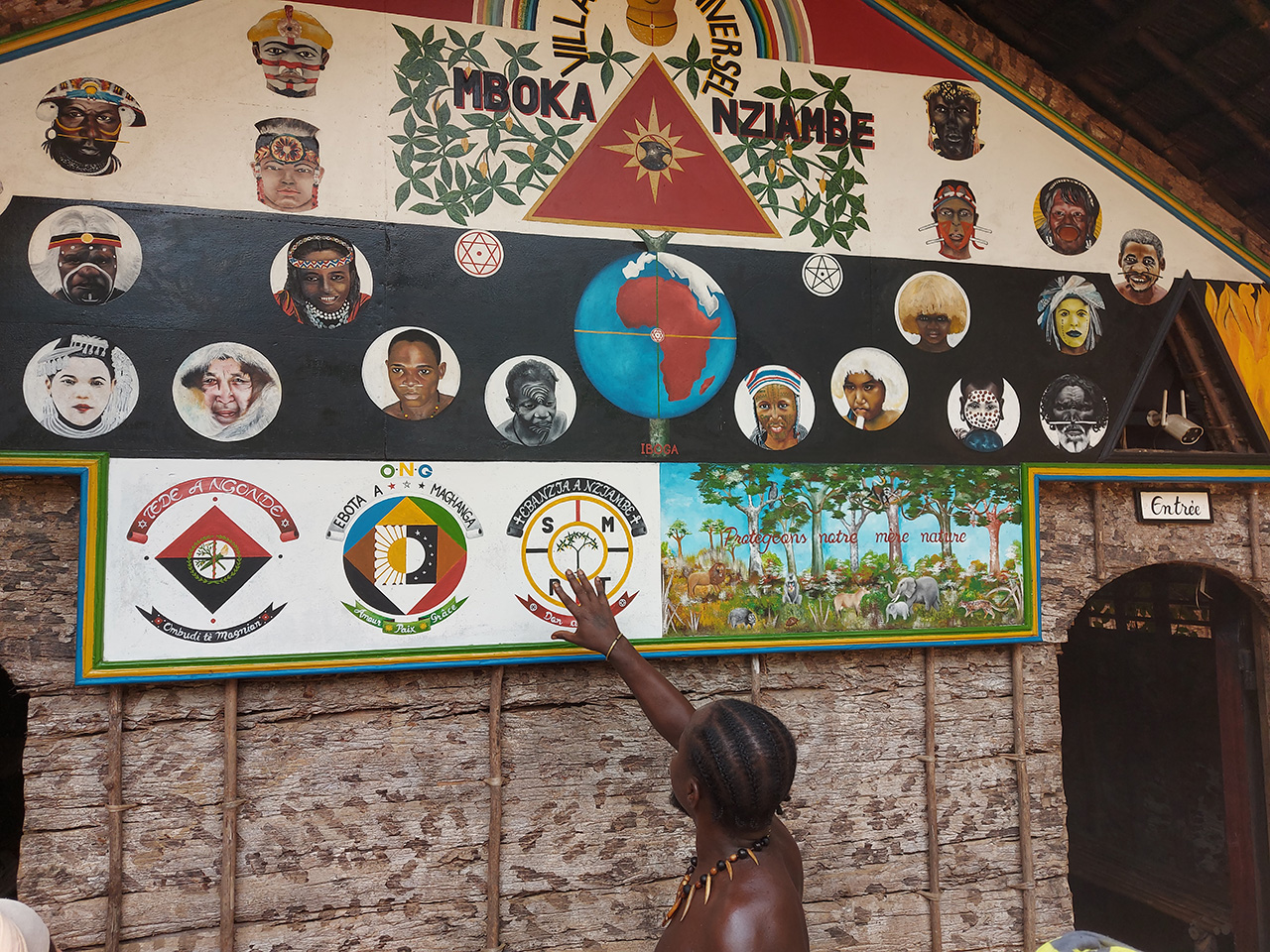
The original inhabitants of Gabon were the pygmy forest people and specifically the Babongo pygmies who were the originators of the Bwiti religion. They live primarily in Ogooue-lolo province and Haut-Ogooue.


Gabon provinces

Gabon has 9 provinces, border patrolled by police roadblocks

Gabon is a very rich country and is also very expensive. It has the 5th highest GDP per capita in the world, mainly due to the oil found in Gabon. Half of the government's budget is from oil revenues.
Also because nothing is really produced in Gabon, all items have to be flown in from abroad. This makes Gabon very expensive. But the riches are not spread equally over the population of Gabon and only a few hold all the power and capital and the rest lives on very little.

About 75% of the population is Christian and 10 % is Moslim but many who are Christian are also Bwiti and some are only Bwiti. Moslims normally do not mix with Bwiti.

Christianity, a major religion in the region, has been integrated into the Bwiti faith by many adherents. However, some followers of Bwiti do not engage in this syncretism, especially the forest people. Despite the opposition from Catholic missionaries to the widespread practice of Bwiti throughout Gabon, the faith holds significant cultural status and yes there are also Christian elements at mama Aline's village integrated with Bwiti.

The ex-president of Gabon is also an initiate of Bwiti, and thanks to him iboga is recognized as a cultural heritage. However in February 2019 under his rule, Gabon’s government issued a decree suspending all legal exports of iboga and ibogaine. The ban was initiated because most supply was sourced from wild-harvested iboga, which was causing overexploitation of natural populations.

The decree came under the authority of Lee James Taylor White CBE, the Ministry of Forestry and the Environment, with enforcement by the Water and Forests Administration. White was tasked with managing deforestation and illegal logging and the country's population of African Forest Elephants. He oversaw the creation of Gabon's carbon credits program in 2022.
Any harvesting, processing, or export of iboga now requires formal government authorisation.

✋ Why the Ban Was Introduced

  • Environmental Concerns: Overharvesting in Gabon’s wild forests was threatening iboga populations and damaging local ecosystems. International organizations like the IUCN (taxon ID: Tabernanthe iboga 🔢 120678584) raised concerns about the species' sustainability.
  • Illicit Trafficking: Criminal networks were smuggling iboga to Europe, North America, and selling it online, often harming both the environment and local communities.
  • Cultural Protection: Iboga is sacred in the Bwiti spiritual tradition. The export ban aligns with Gabon’s 1994 cultural protection law (Law No. 2/94), which protects national cultural assets from exploitation or unauthorized removal.
  • Compliance with International Agreements: Gabon is a signatory of the Nagoya Protocol, which demands fair and equitable benefit sharing for the use of natural and genetic resources. The ban supports future compliance for any possible legal trade frameworks.

🚧 Current Status

Export of iboga is currently strictly prohibited unless cultivated on private or community-owned land with government approval. However, no export licenses have been granted to date. Any form of export requires a permit from the Water and Forests Administration.

NGOs such as Blessings of the Forest are working with local villages and the government to develop sustainable cultivation programs that comply with the Nagoya Protocol and may eventually allow regulated, ethical export under strict conditions.

Note: The ban does not affect local traditional use of iboga within Bwiti spiritual ceremonies, which remains legal and culturally protected.


To continue the history of Gabon, it was colonized by the French in the 19th century and became an official French colony in 1885 until 1960 where Gabon was declared independant.
But the French influence was and still is very present and the main language continues to be French and only very few people speak English.

Among the continued influence was the clearing of the uranium mines in 1970 around Franceville.

xxx

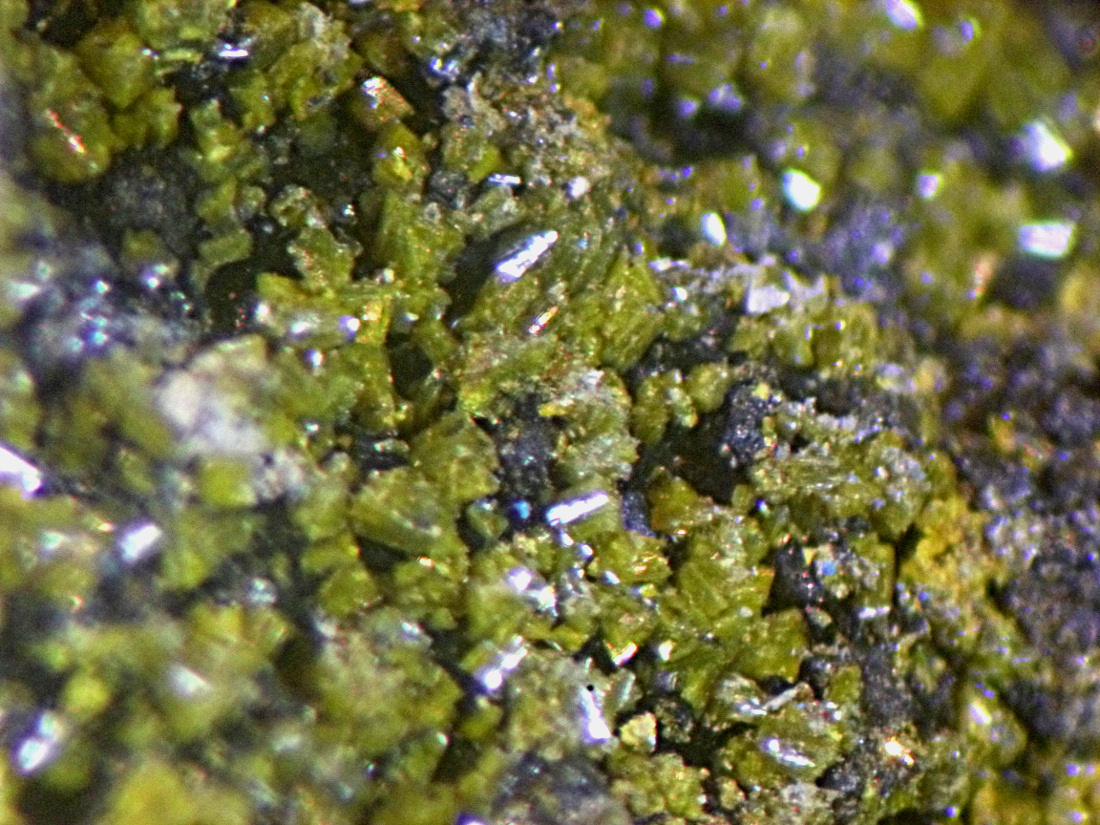
Francevillite - a famous uranium crystal found here

Also deforestation and logging was promoted and only got accelerated after 1960 with the approval of the Gabonese government who signed deals with among other the Chinese who had high demand for timber.

But as you have seen with Lee James Taylor White and other people, things have changed for the better.

For example, André Raponda Walker (1871–1968) was a Gabonese Catholic priest and ethnologist renowned for his extensive ethnographic research on Gabon's indigenous cultures. Despite being a Catholic cleric, he recognized the cultural significance of traditional Gabonese religions like Bwiti. Raponda Walker made significant efforts to document and study the Bwiti religion, which was under threat from Christian missionaries who sought to suppress indigenous spiritual practices. By meticulously recording Bwiti rituals, beliefs, and medicinal plant knowledge, he created a valuable record that helped preserve the religion for future generations.
His work helped ensure the survival of Bwiti practices, advocating for respect and understanding of Gabon's diverse cultural heritage. There is a natural park named after him that is part of Mama Aline's program, if one chooses to visit. This park is called Raponda Walker Park and is located just north of Libreville.

In 2002, President Omar Bongo designated roughly 10% of Gabon as national parks, including the Raponda Walker Park and 12 other parks that are now protected by the National Agency for National Parks, where no logging or hunting is allowed.

xxx

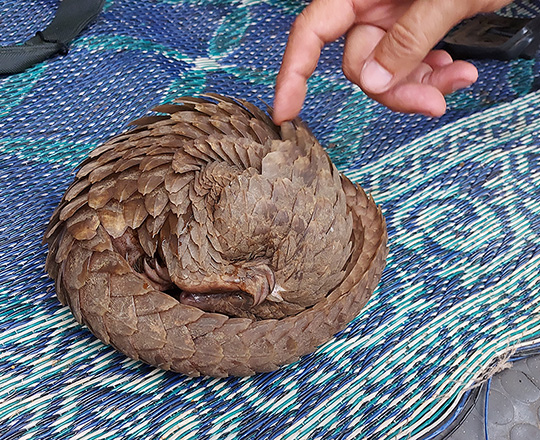
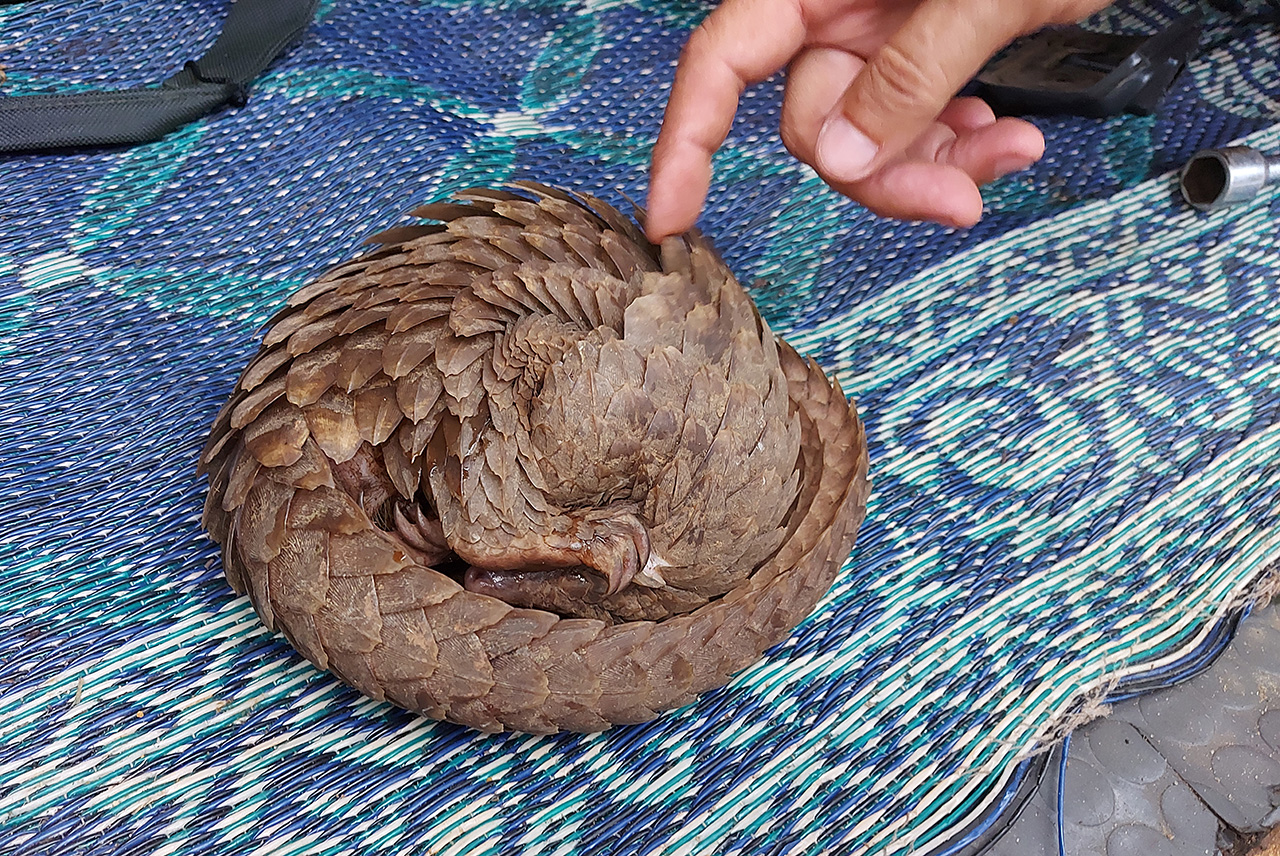
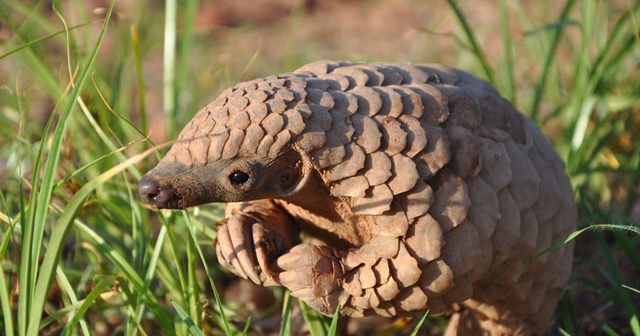
pangolin

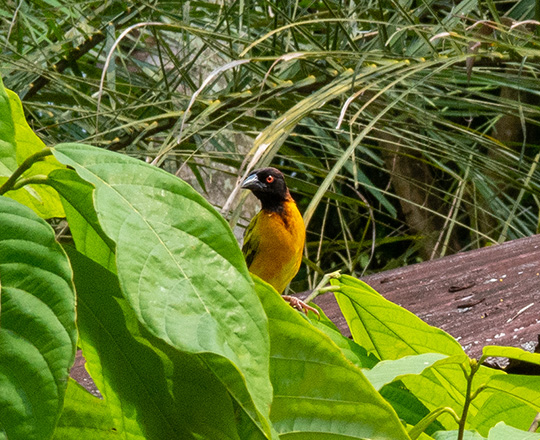
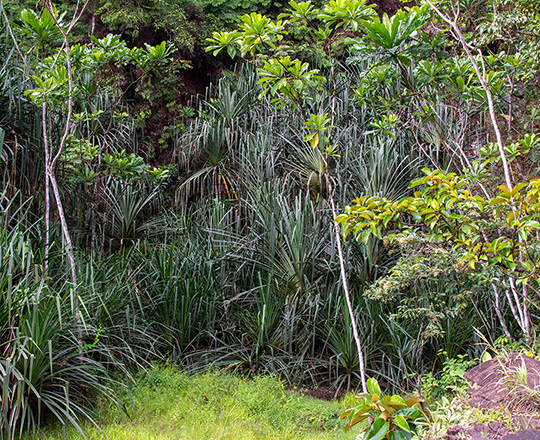
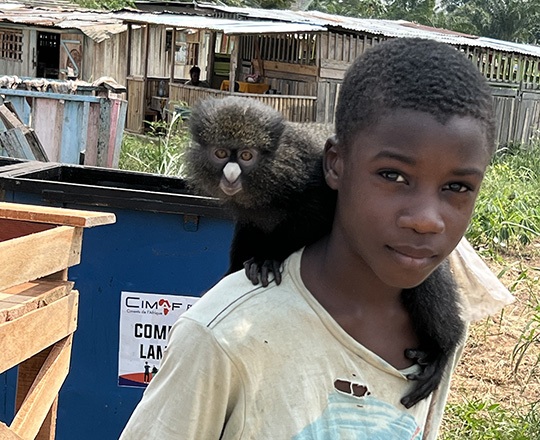
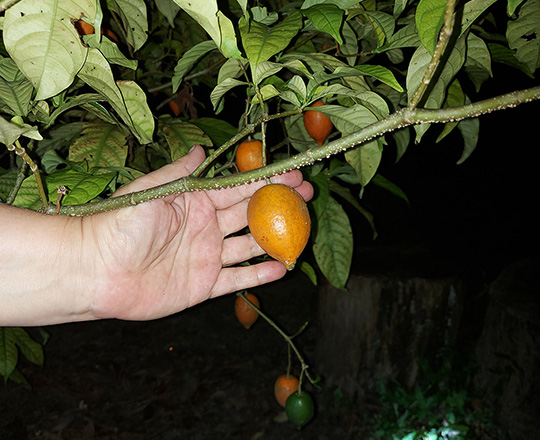
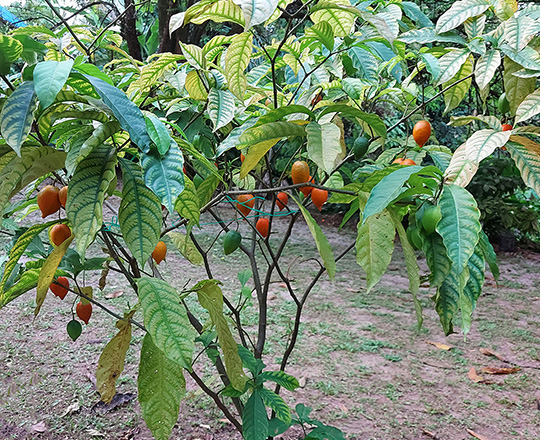
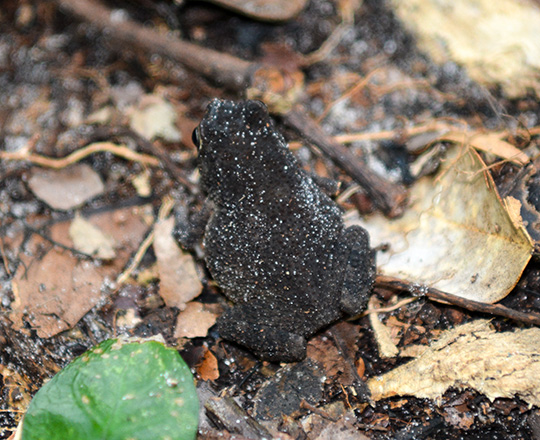
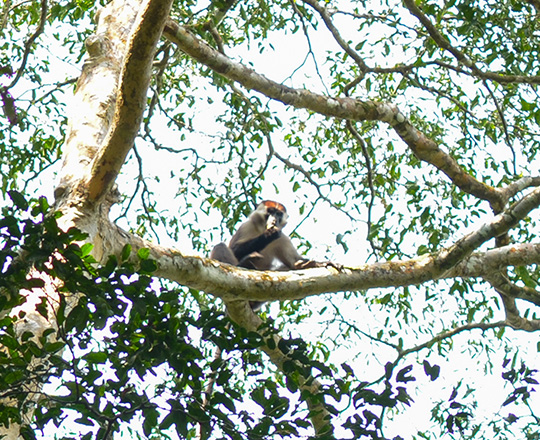
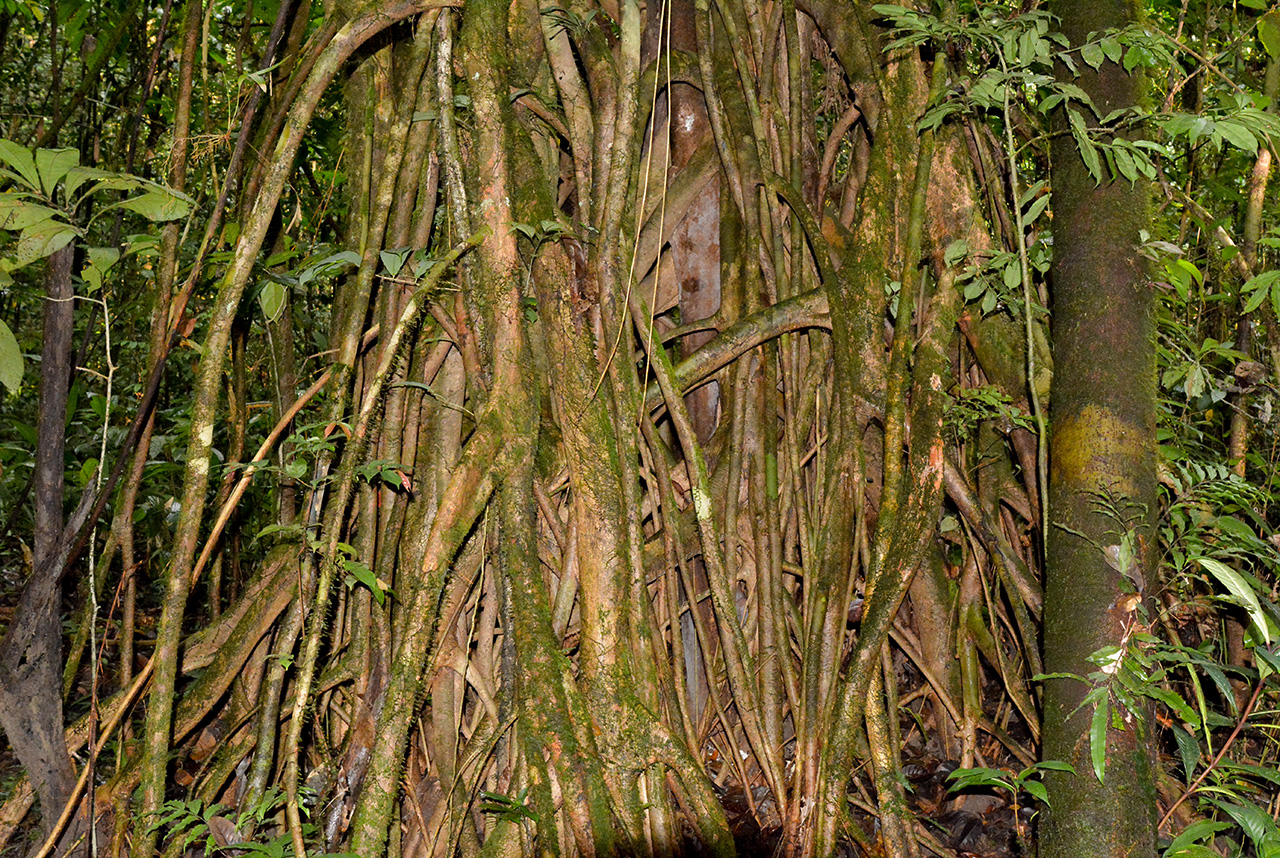
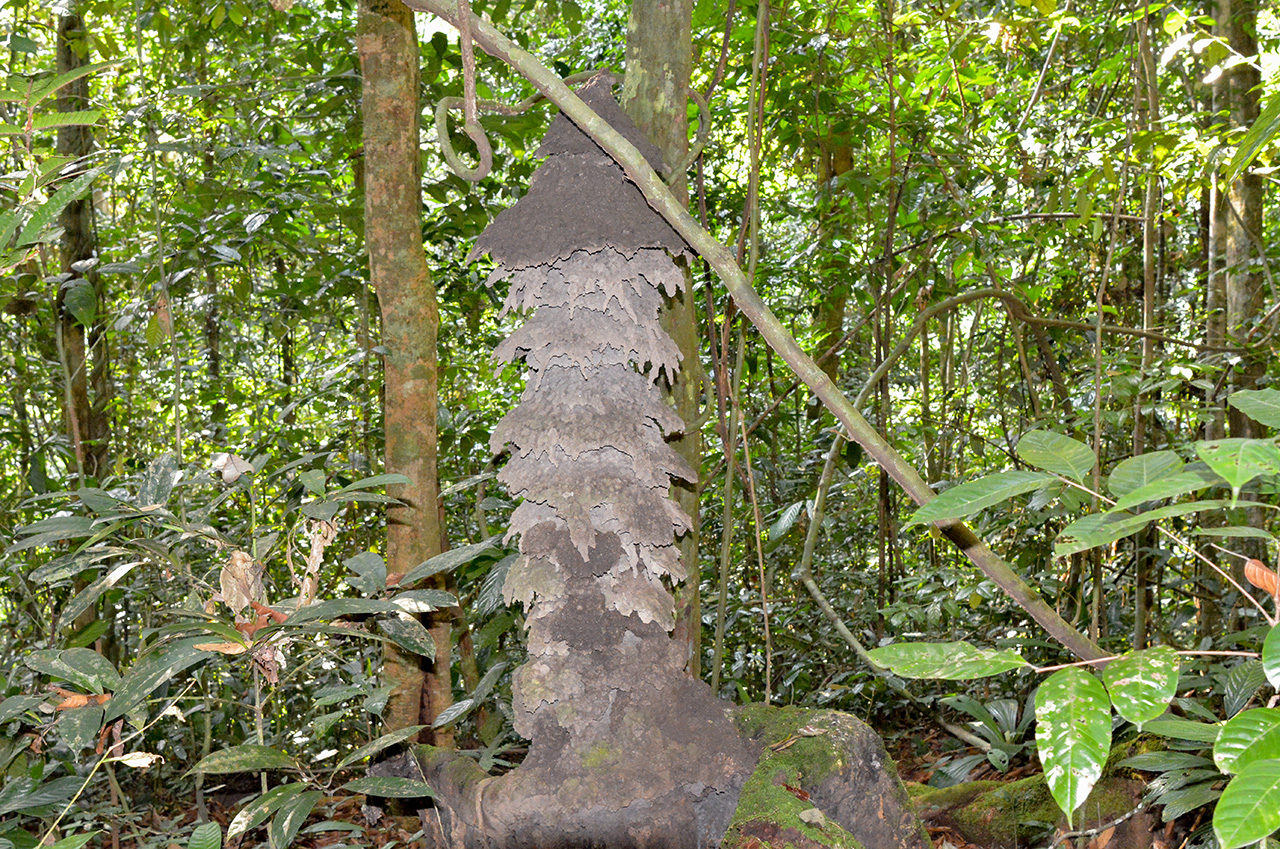
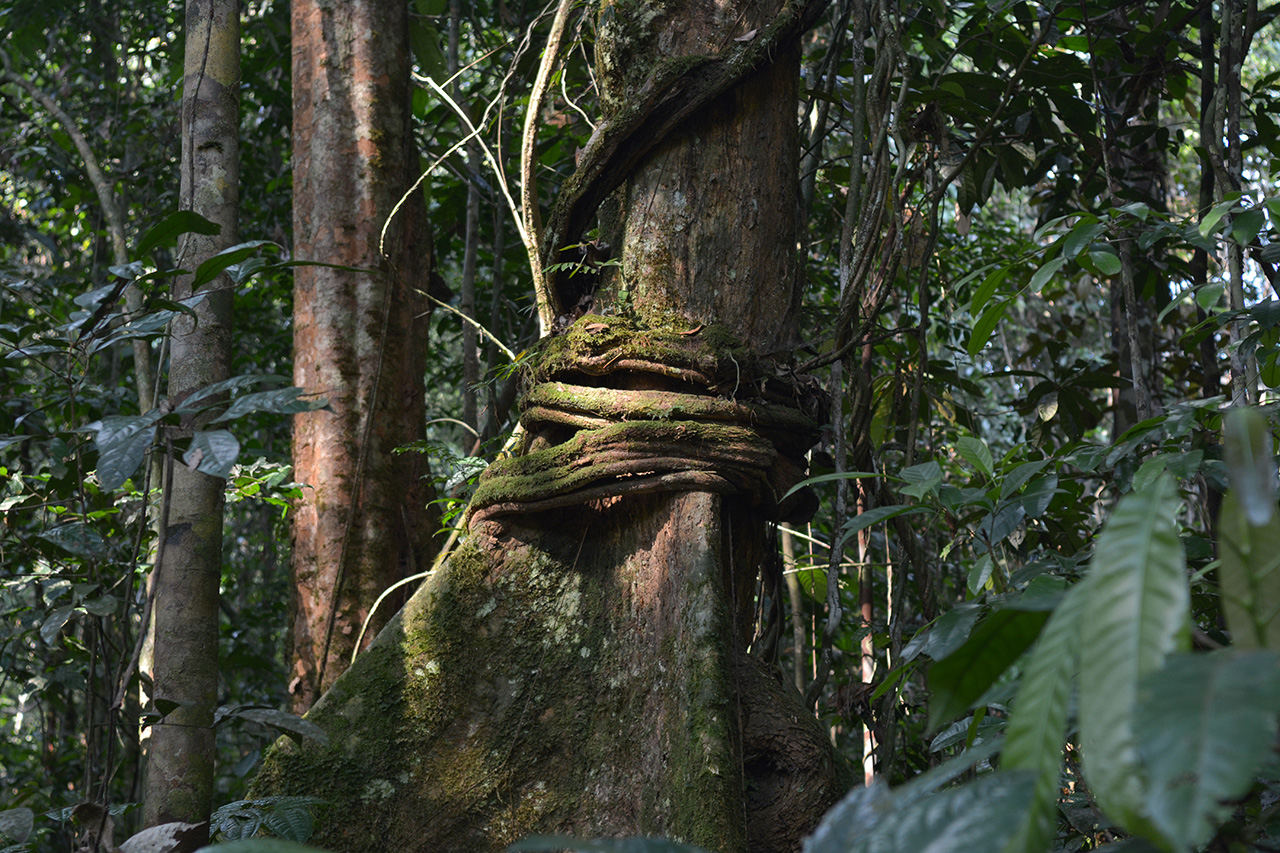
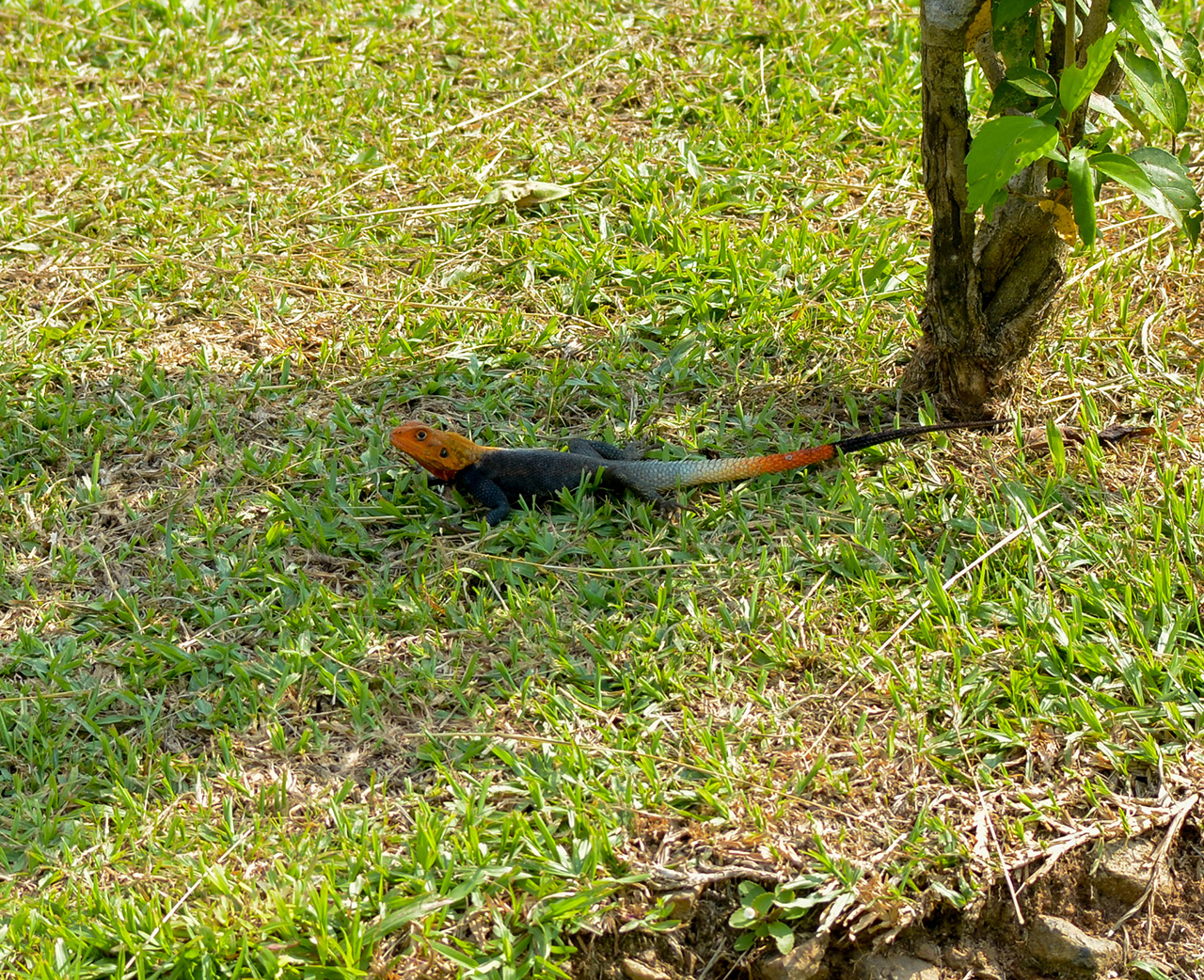
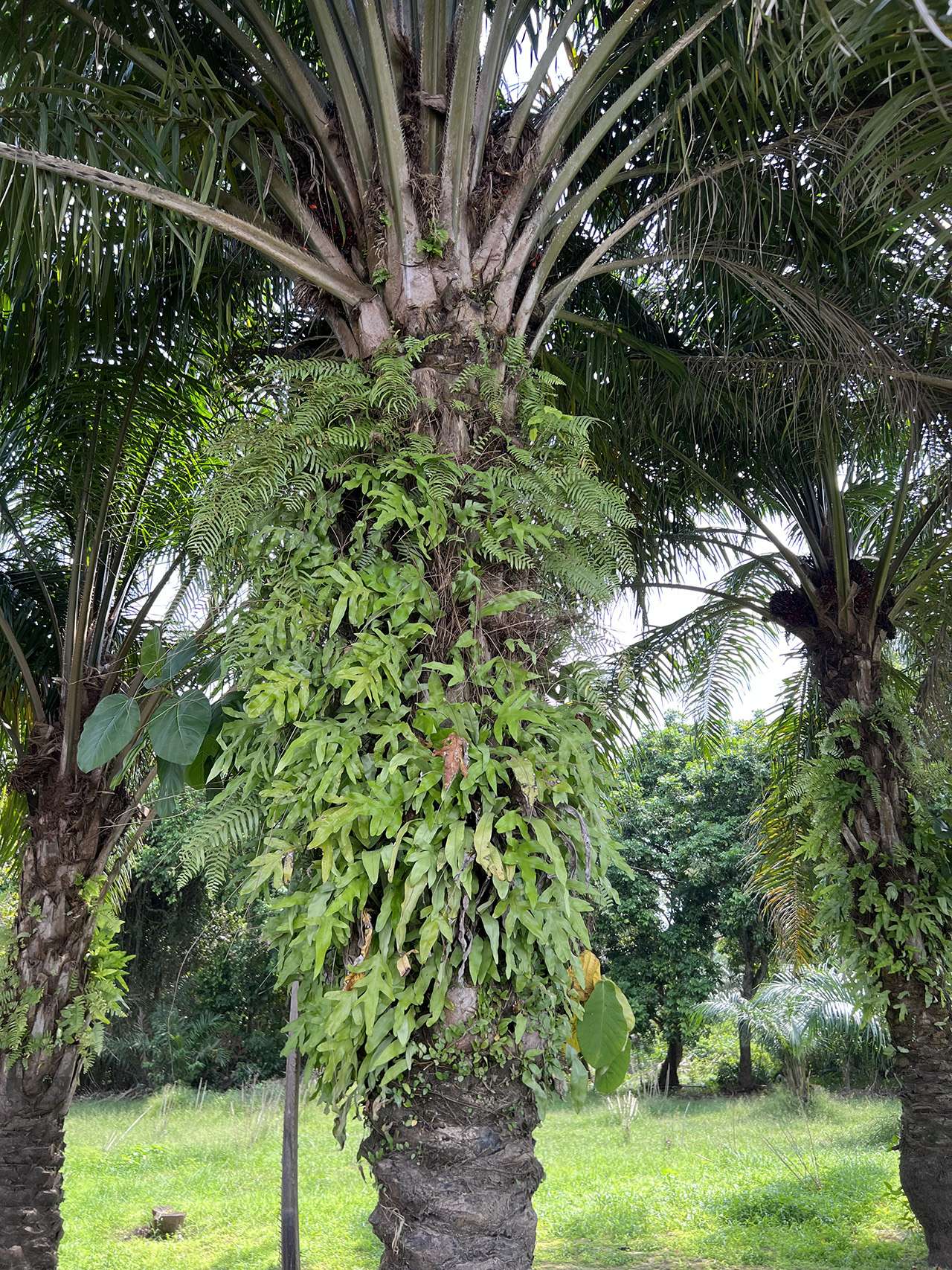
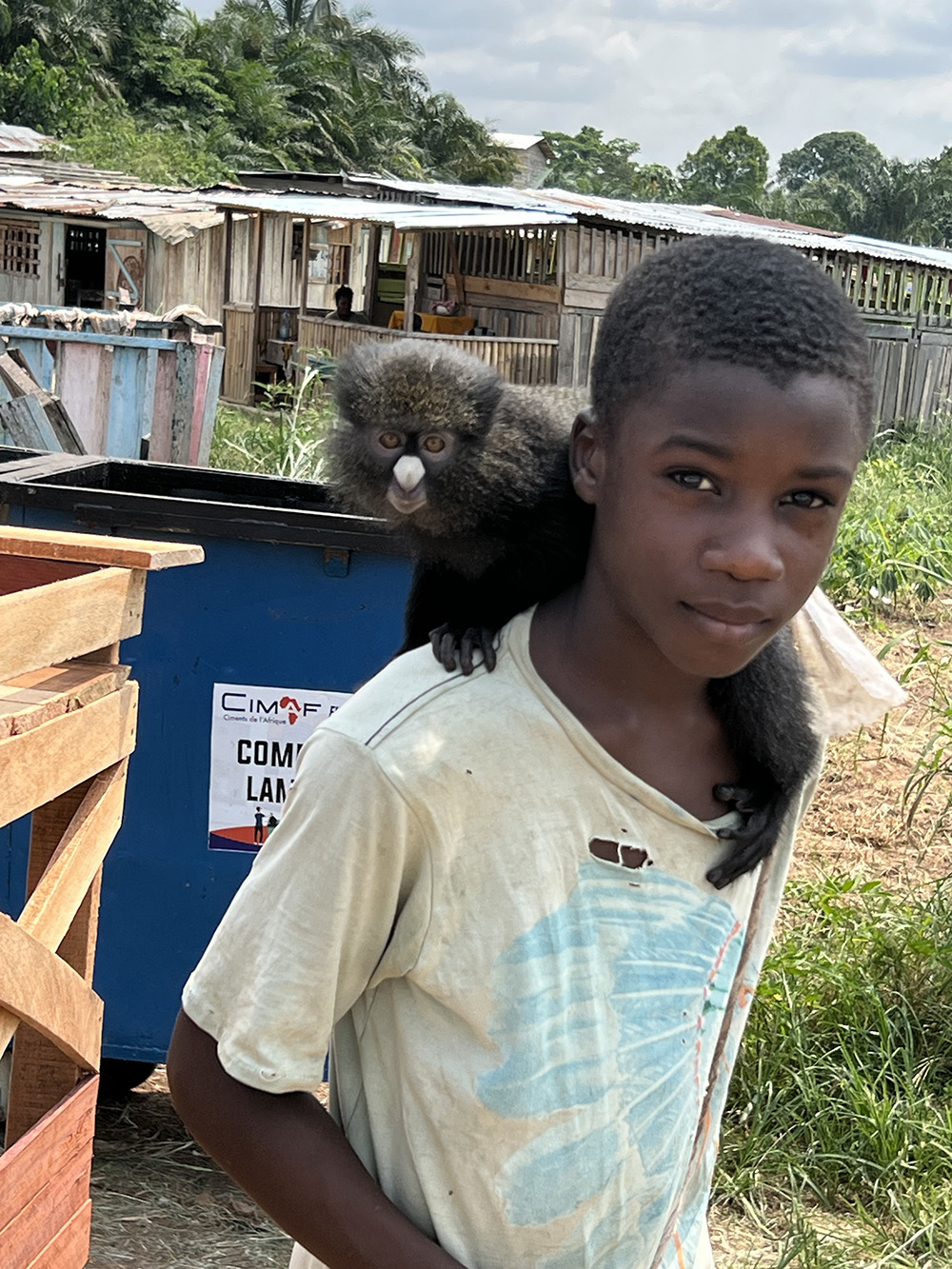
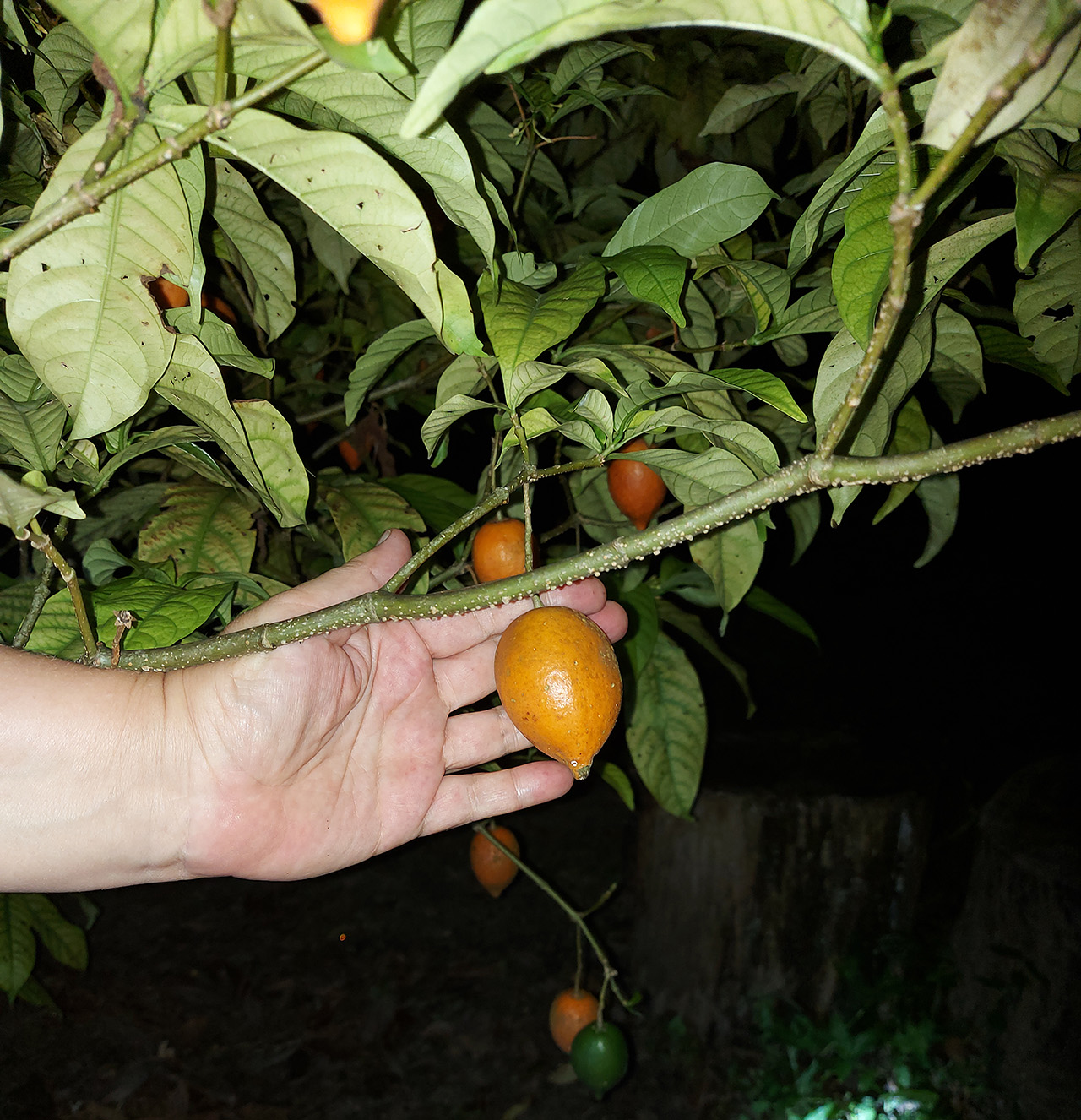
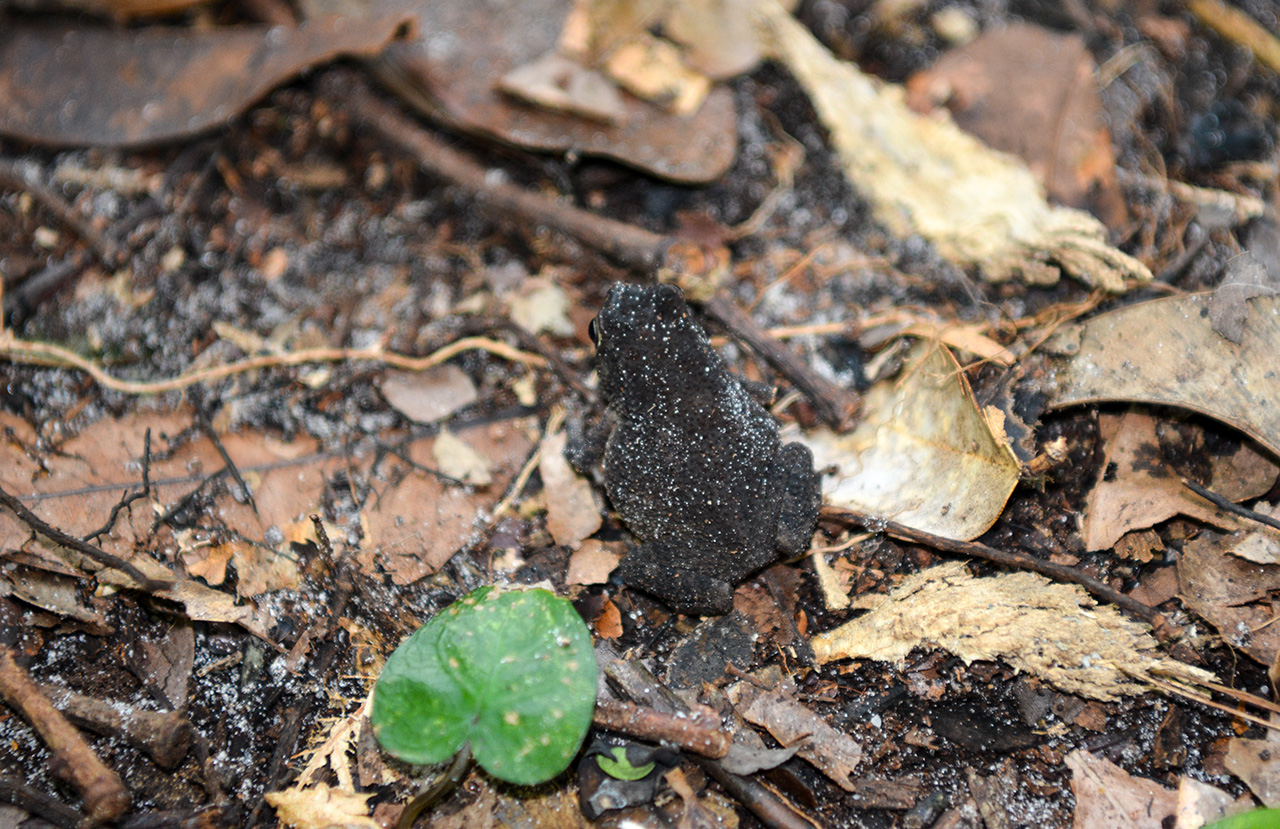
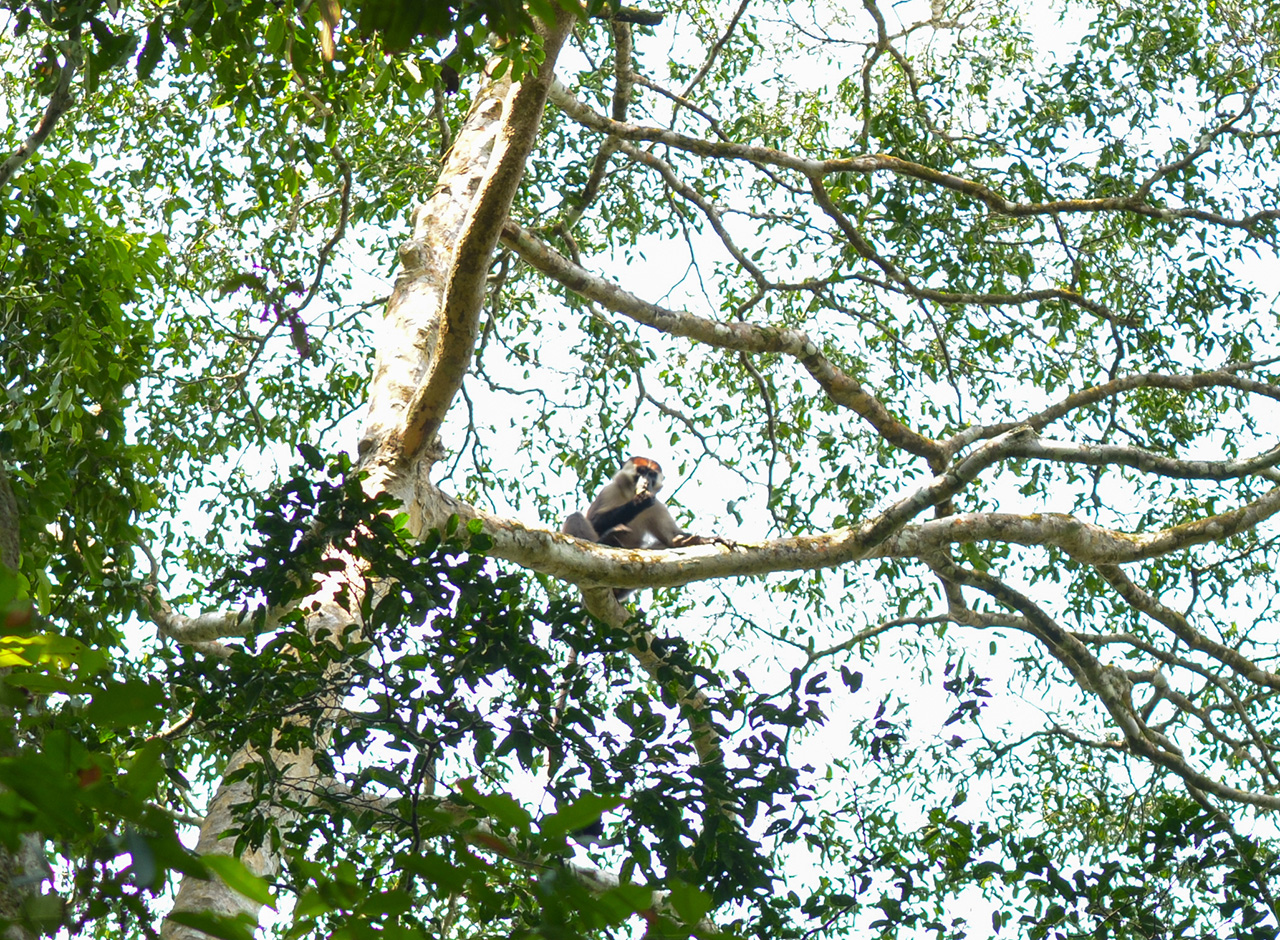
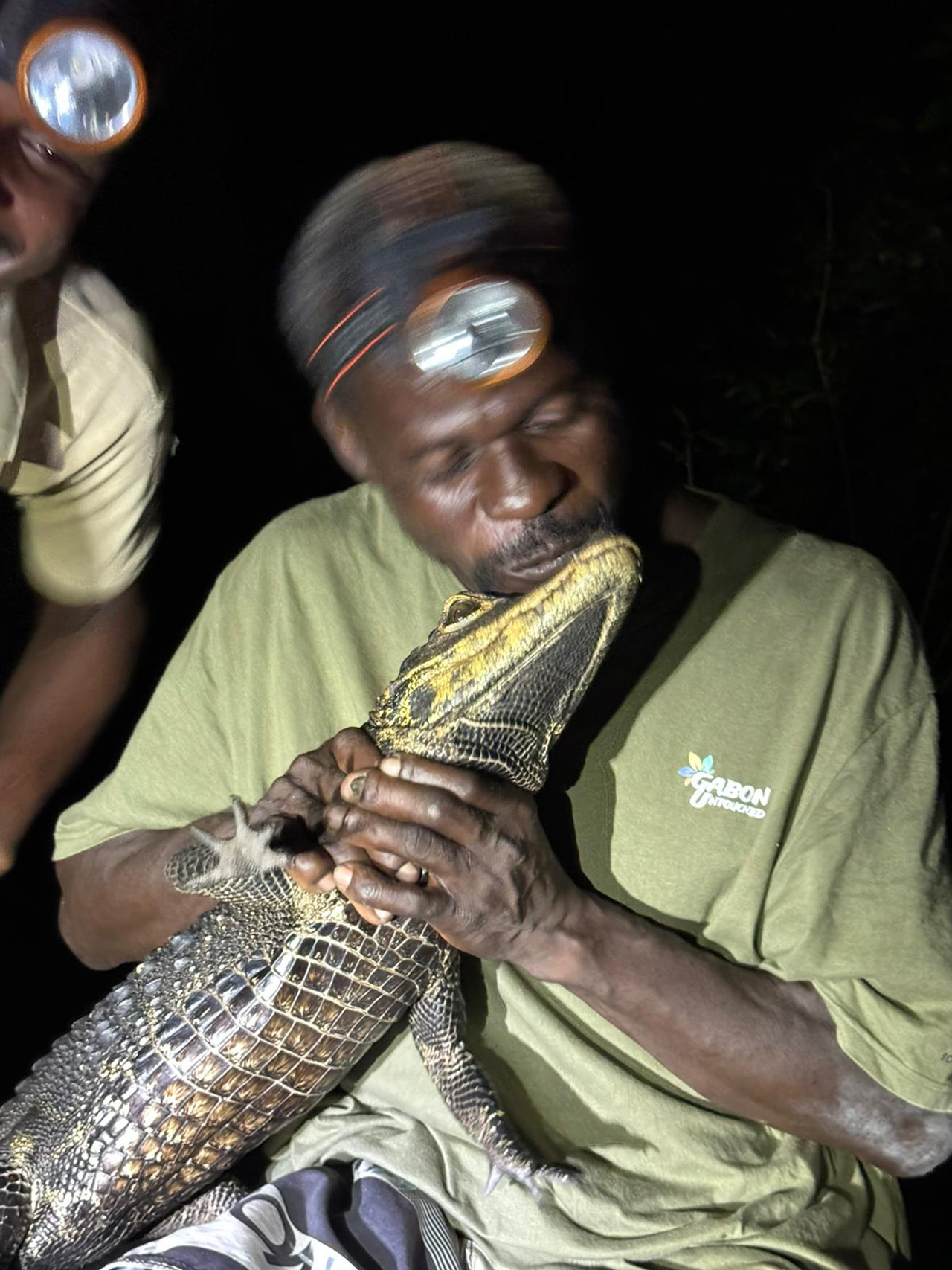
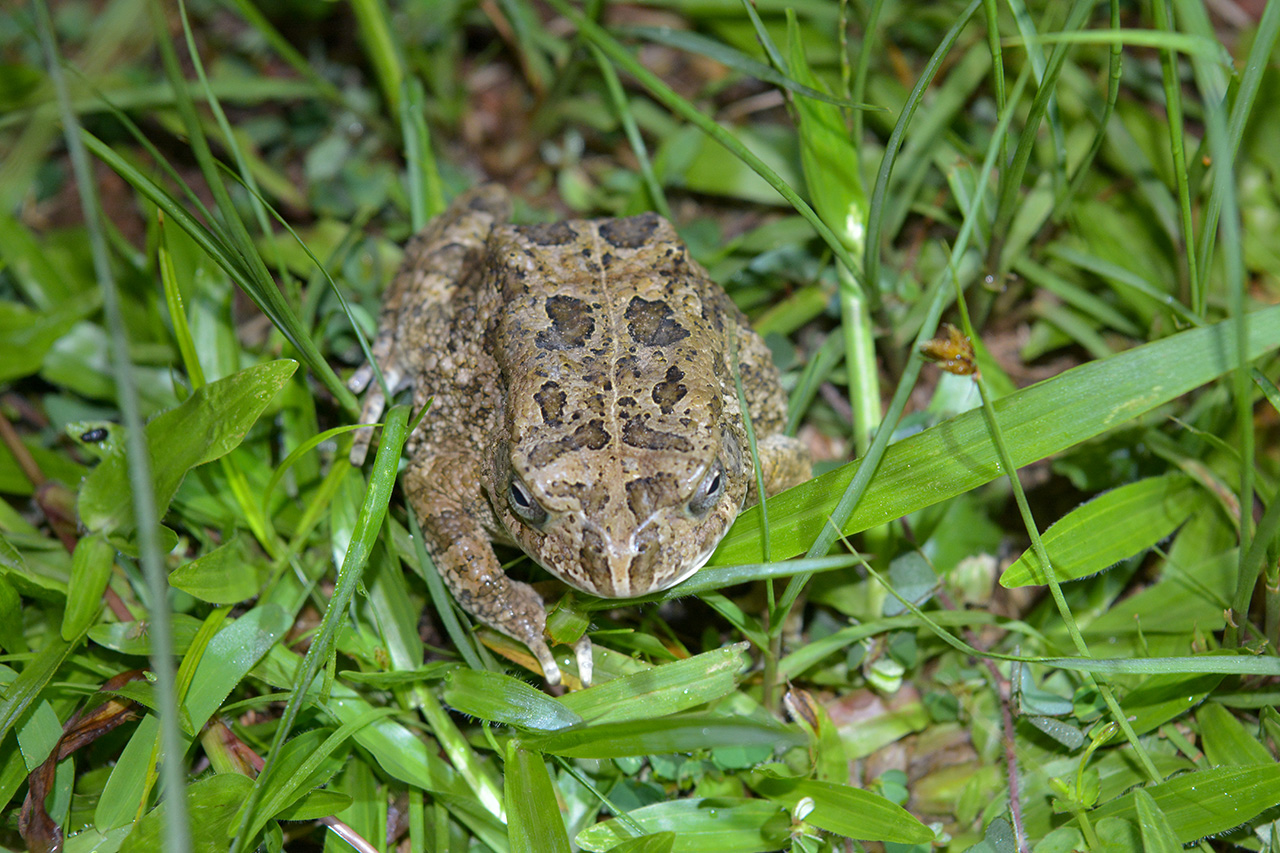
This is very good news as Gabon has one of the most dense rainforests in the world, containing more then 4000 species of unique trees and 10.000 species of unique plants among other the iboga shrub. Also Gabon has implemented protection status for a large amount of animals and plants. Just to give you an idea, Gabon has more than 600 species of birds, 100 species of amphibians and almost 200 species of mammals including the rare pangolin and guenon monkey.

Also Gabon has implemented a system where all trees that are cut down also need to be replanted. This resulted in a big change from deforestation into sustainable reforestation.

General Brice Clotaire Oligui Nguema – President of Gabon

🛡️ Who He Is & When He Took Power

Born March 3, 1975, Brice Oligui Nguema is a career military officer with family ties to the Bongo clan. He trained in Morocco and served in key military roles under Omar Bongo. On August 30, 2023, he led a coup that removed President Ali Bongo, ending over five decades of dynastic rule. He served as transitional president from September 4, 2023, and was officially elected on April 12, 2025, winning over 90% of the vote. He was sworn in on May 3, 2025.

🎯 His Goals

  • Governance & Anti-Corruption: Pledged democratic reforms, fair elections, and a break from past authoritarian systems.
  • Economic Diversification: Plans to reduce oil dependence by developing agriculture, mining, tourism, and local industry. Includes a future ban on raw manganese exports, which is a very good thing for the jungles of Gabon.
  • Public Services & Infrastructure: Focus on youth employment, education, healthcare, and essential services like clean water access.
  • Environmental Stewardship: Supports Gabon's global green reputation with conservation and sustainable development policies.

🔭 The Future of Gabon

  • New Constitution: Limits the presidency to two seven-year terms, aiming to prevent future power monopolies.
  • Economic Sovereignty: Gabon has begun nationalizing key oil assets to increase state revenue and independence.
  • Improved Living Standards: Large-scale projects like expanded water infrastructure are in progress to enhance quality of life.
  • Balance of Continuity and Change: Although he presents reformist ideals, his ties to the former regime leave questions about full systemic transformation.

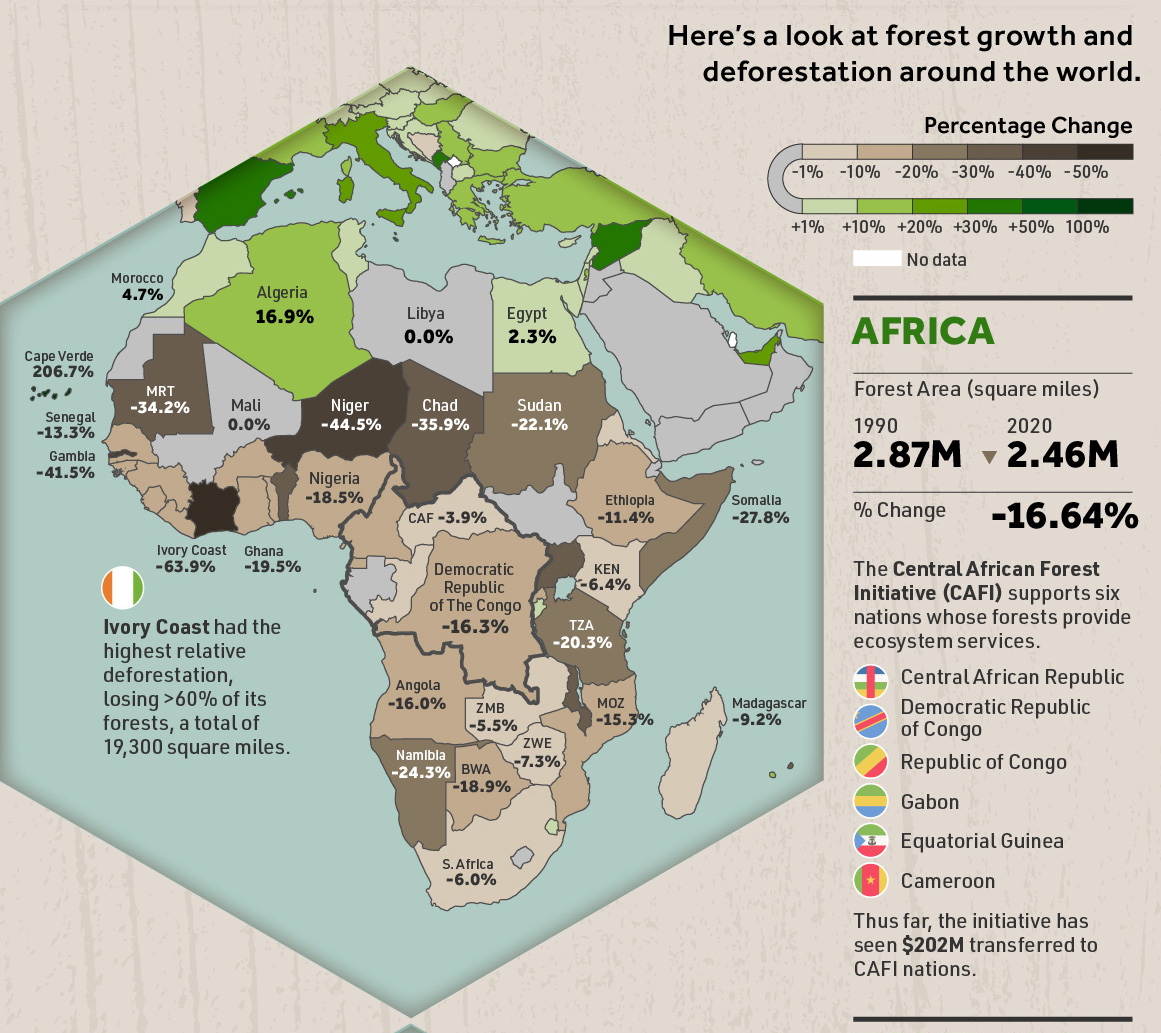
So with all these changes and a shift in focus towards actually saving the jungles and helping nature, let look at how Gabon is doing compared to the rest of Africa.

deforestation

deforestation and reforestation in Africa


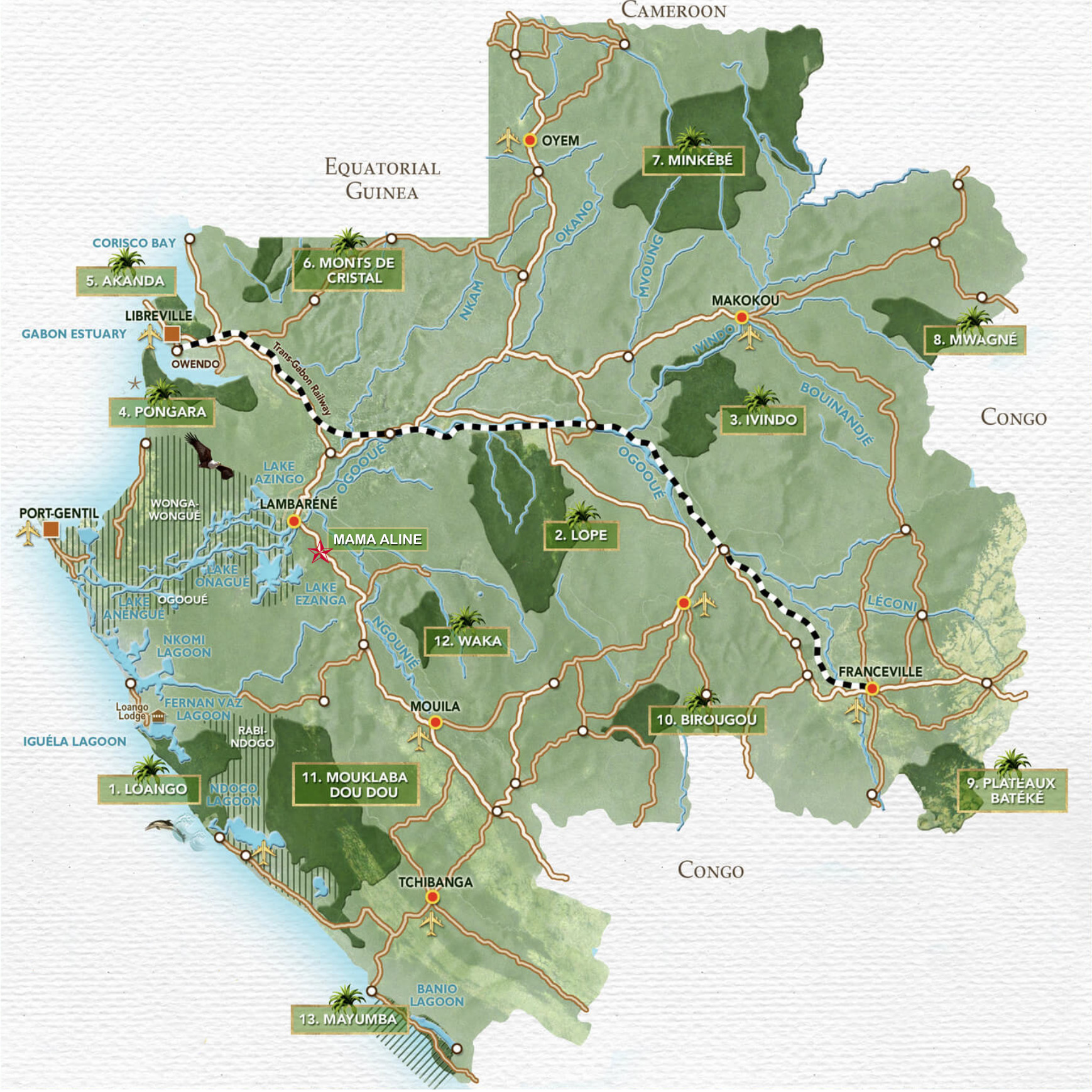
Gabon National parks

Gabon National Parks

If you look carefully, you can find our village ☆ is in between Wonga-Wongue and Waka National Park.


Below is an overview of these parks, arranged alphabetically (grey = recommended):


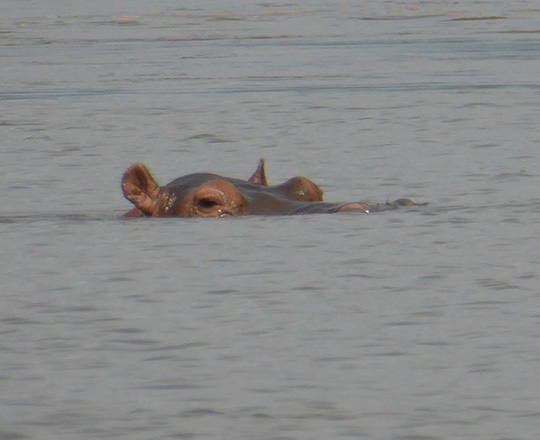
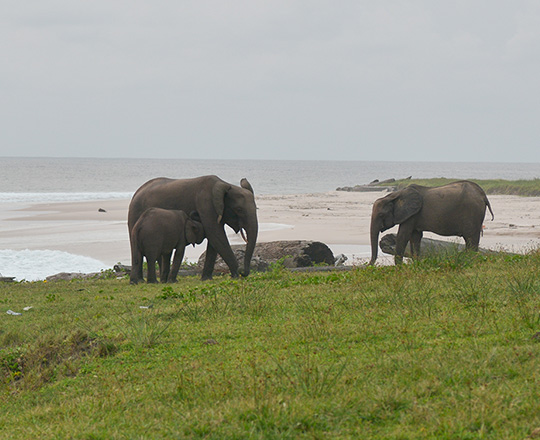
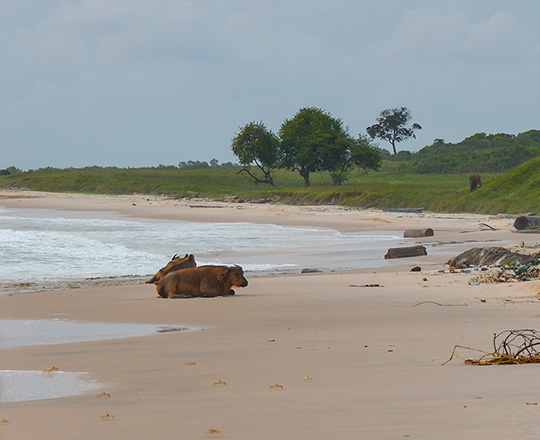
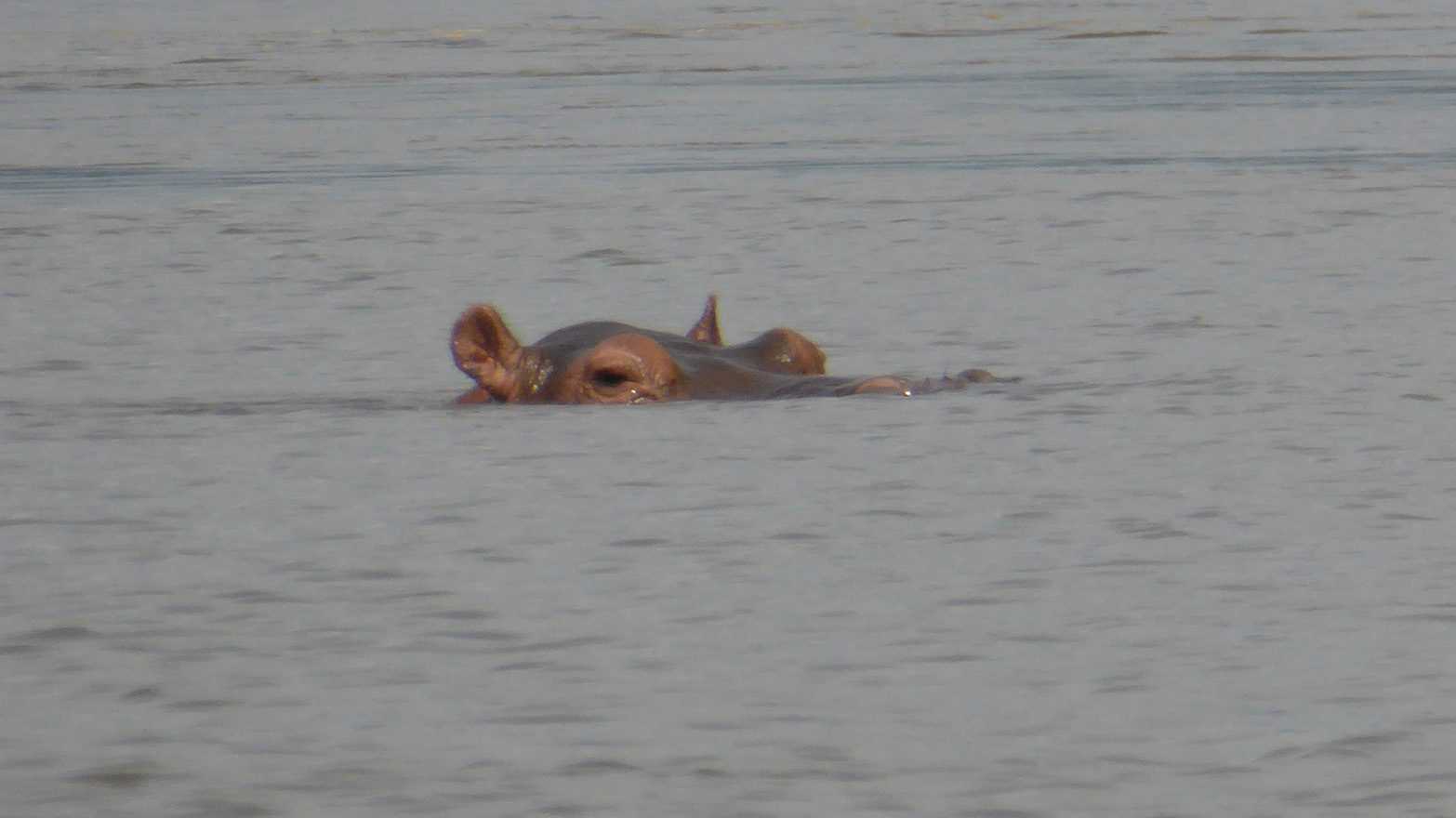
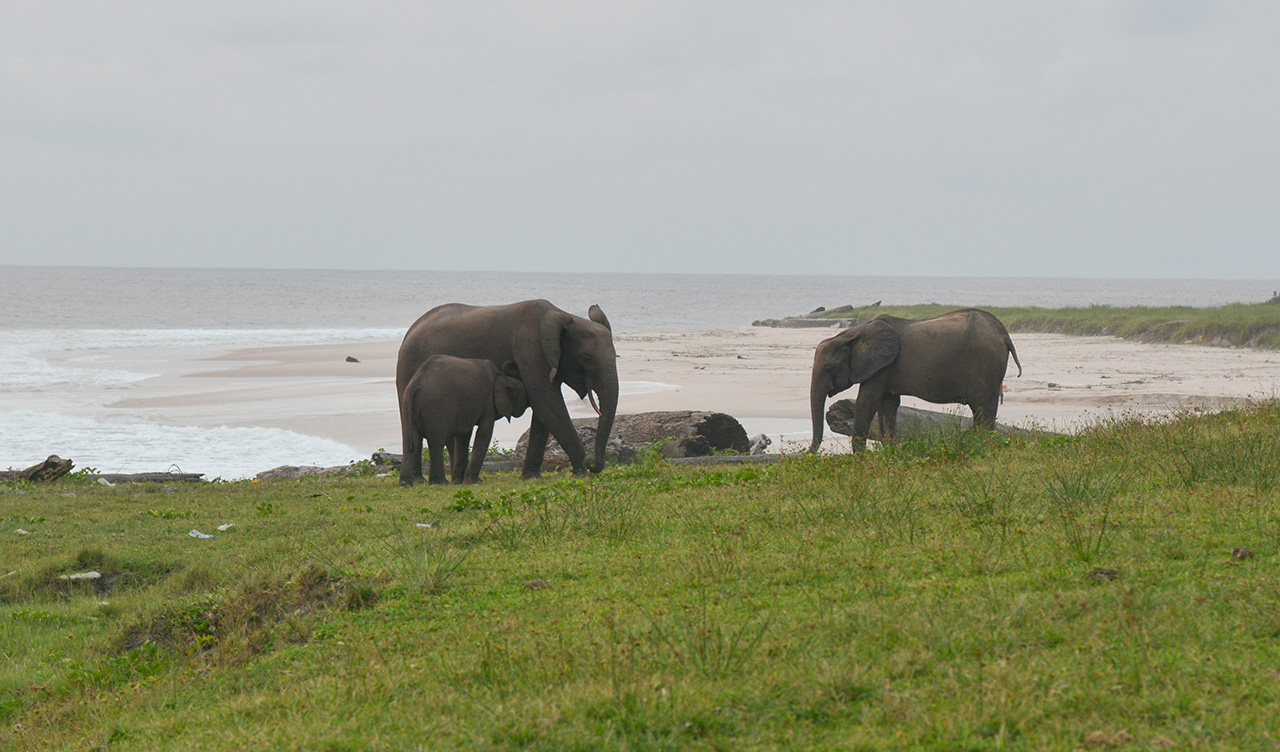
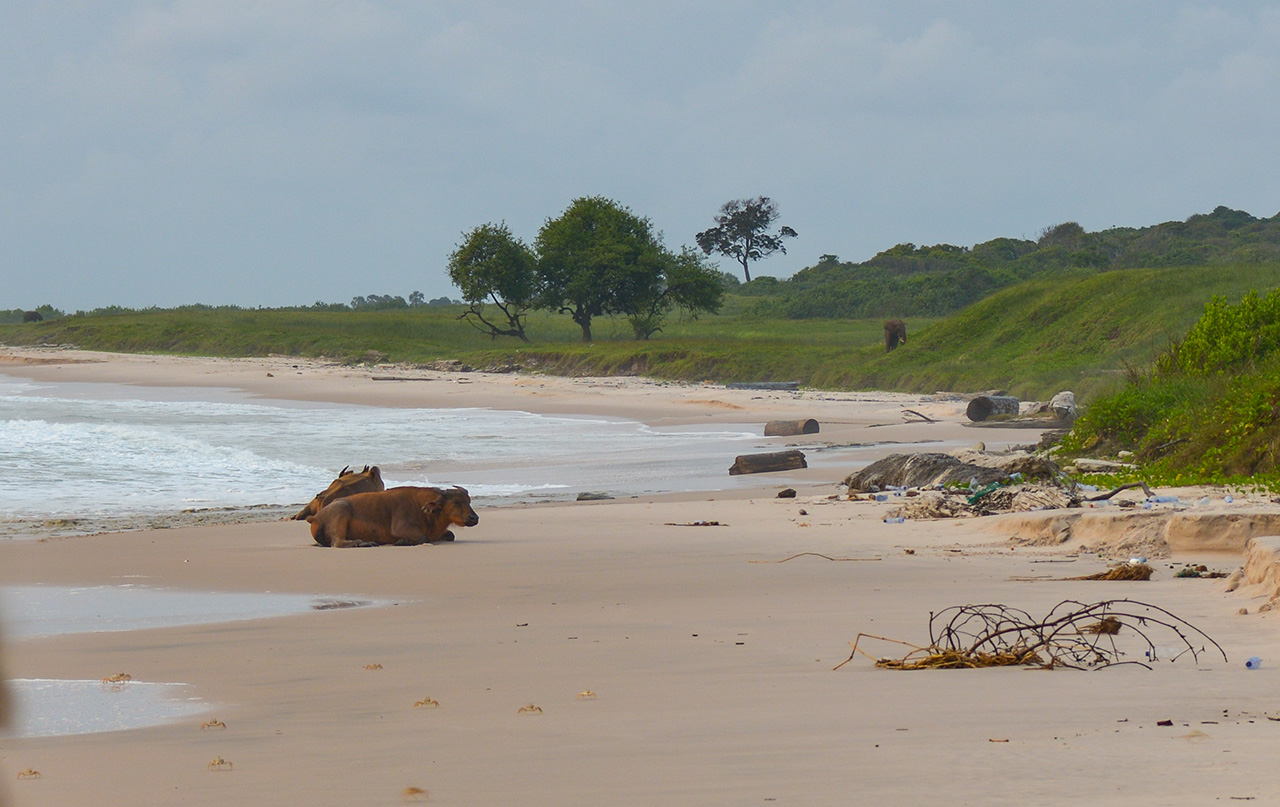
  • 1 - Loango National Park: Loango National Park in southern Gabon is one of the most amazing parks to visit, where nature's majesty is on full display, offering a serene and spiritually enriching experience. The sight of forest elephants wandering onto its pristine beaches and hippos basking in the ocean's embrace is a vivid reminder of the interconnectedness of life. This park, often hailed as 'Africa's Last Eden', is a tapestry of diverse ecosystems, from lagoons to dense forests, each supporting an array of life that inspires awe and contemplation.

    Loango is more than a natural wonder; it's a spiritual sanctuary that speaks to the soul, urging us to reflect on our bond with the natural world. It embodies the balance of nature, fragile yet resilient, and serves as a poignant call to preserve the untouched beauty that still exists on our planet.

    We recommend visiting this park before commencing your initiation. In other words, embark on this adventure before arriving at our village. The primary reason is that it's not only breathtaking but also quite demanding. It entails a 3-day drive from Libreville and includes a boat ride via Sete Camma. Keep in mind, it's also expensive. The best tour operator we can suggest is Antonio from Spain (WhatsApp: +34 660 337503), who collaborates with Gabon Untouched. He is familiar with our location, so he can ensure you're dropped off at our village once your Loango NP adventure concludes. He also maintains communication with Medzime Assock, allowing you to coordinate the pickup after your initiation either through him or directly with Medzime Assock.


  • Loango National Park

  • 2 - Lopé National Park: Crossing the equator, Lopé is blend of savannah and rainforest and is a UNESCO Heritage site, crucial for primate conservation.

  • 3 - Ivindo National Park: Known for its majestic waterfalls and rich ecosystems, Ivindo is a paradise for adventurers. The park's Langoué Baï offers spectacular wildlife viewing, especially of forest elephants and gorillas, embodying the spirit of Africa's untouched Eden.

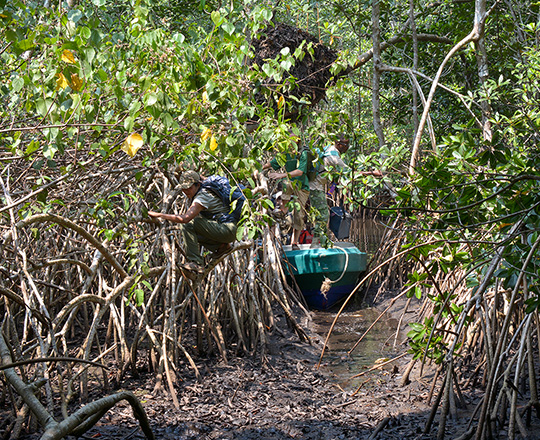
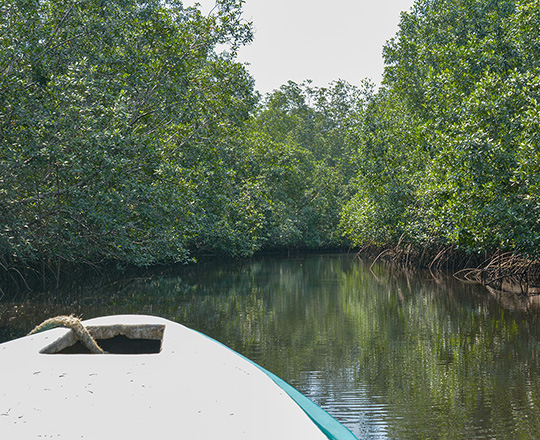
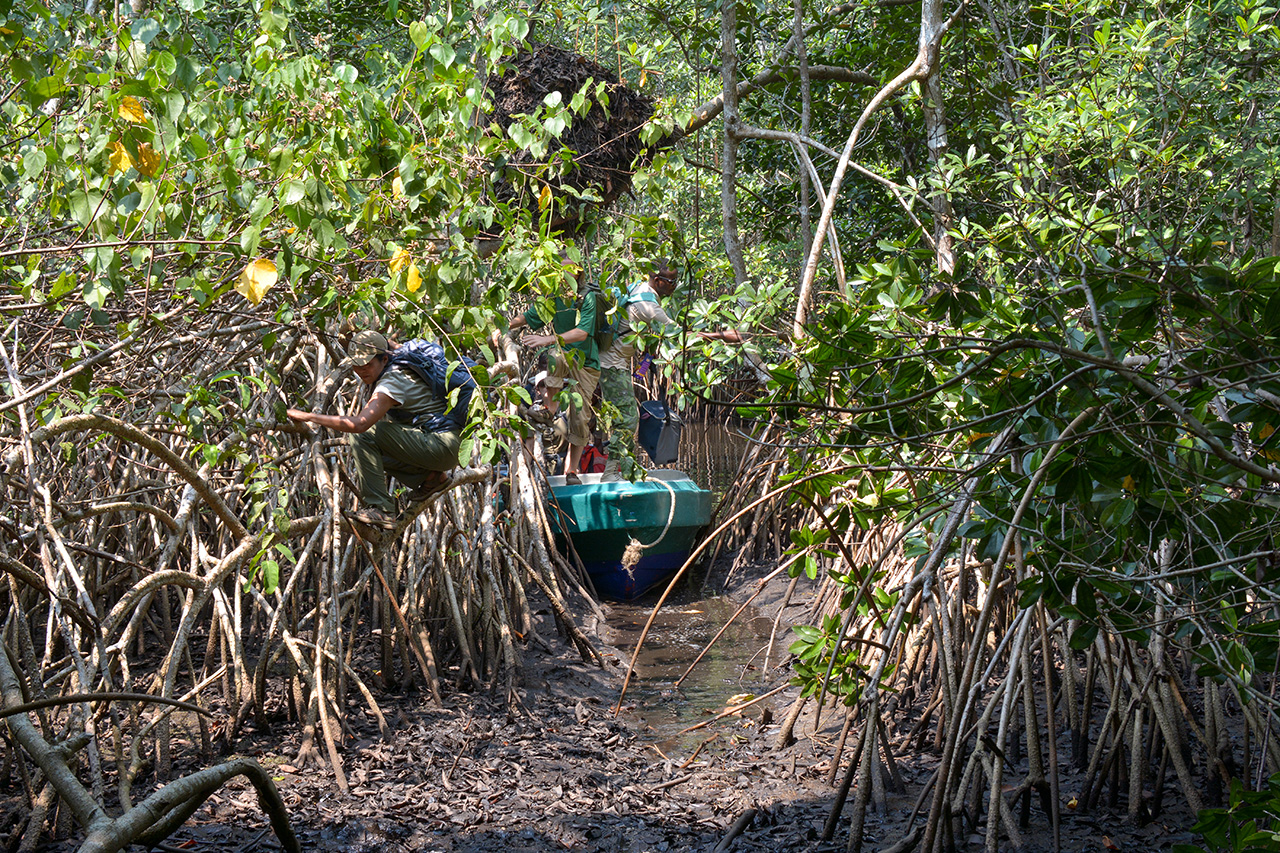
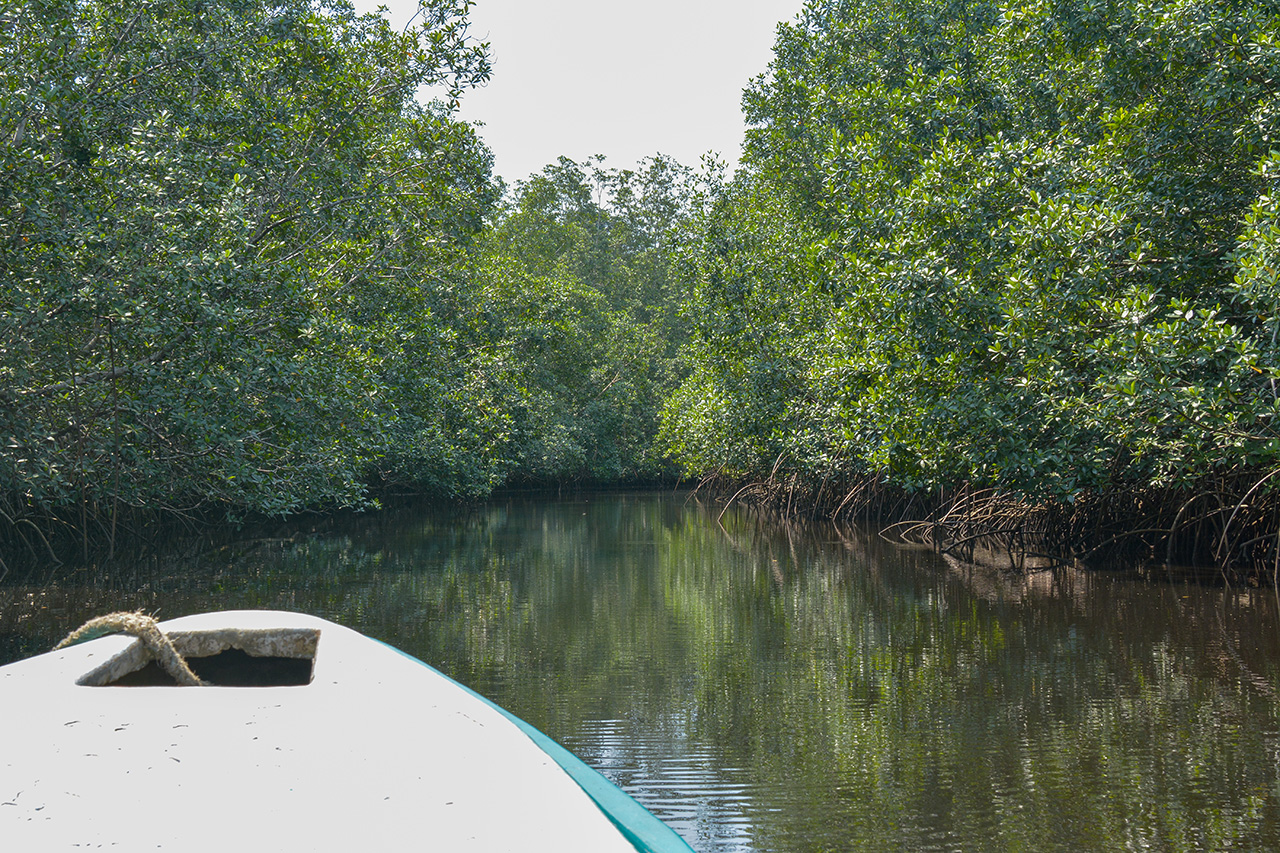
  • 4 - Pongara National Park: Close to Libreville, Pongara is celebrated for its mangrove ecosystems and marine life, including nesting turtles. The park's tranquility at night, with the sound of the Atlantic, invites contemplation.

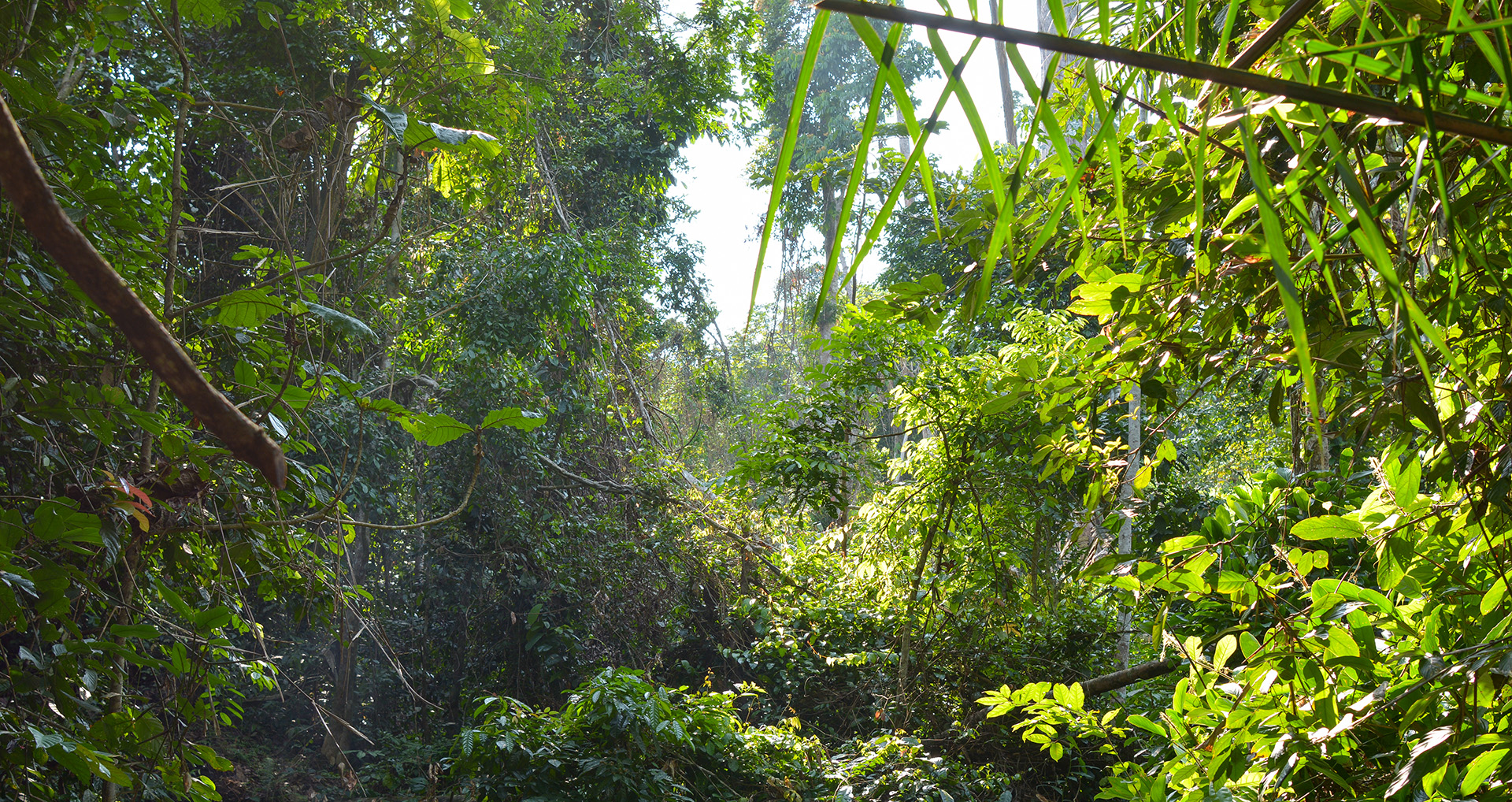
    Wonga-Wongue park is a natural park that sits next to Pongara NP, but is not officially part of the 13 National parks, yet is protected from 1972 onwards. Mama Aline's village is located on the eastern edge of this park.
    Wonga-Wongue

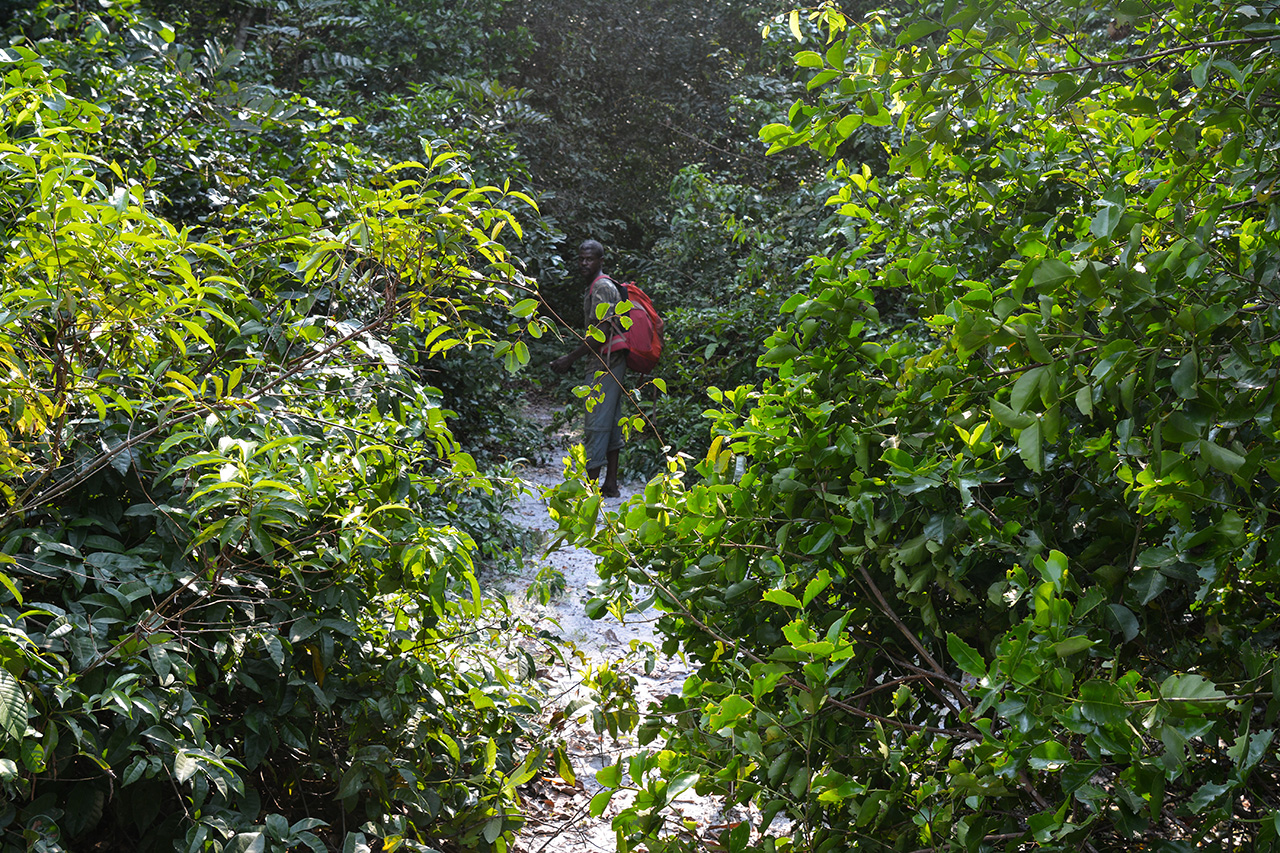
    Mama Aline's garden - a rainforest located on the edge of Wonga-Wongue park.


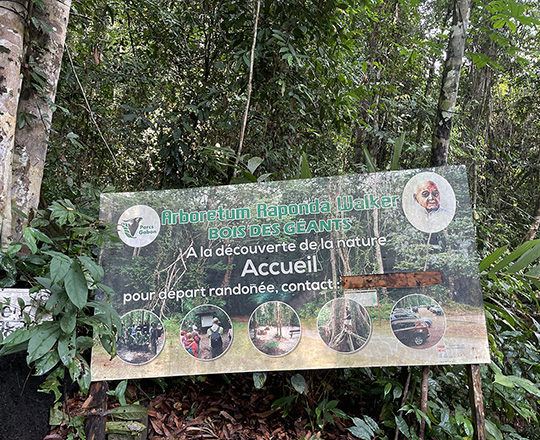
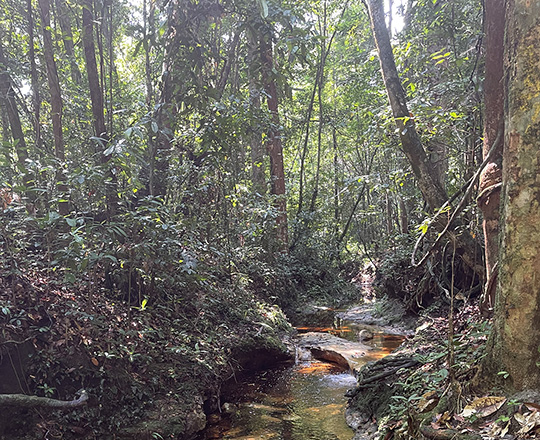
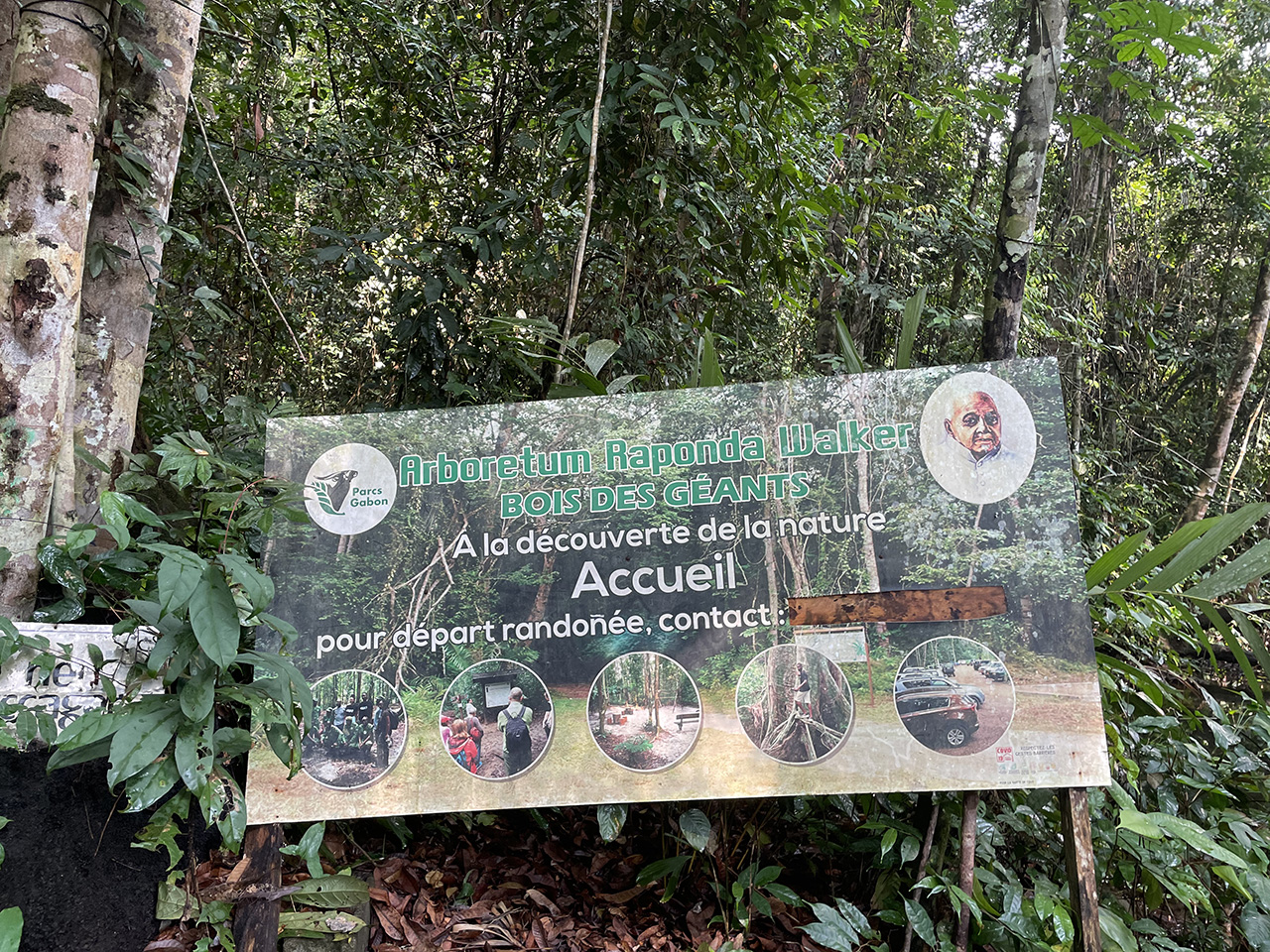
  • 5 - Akanda National Park: named after André Raponda Walker, this park is famed for migratory birds, primates and sea turtles and beautiful mangroves, dense jungle and scenic bays. There is a walking trail that is part of the mama Alines program called the Arboretum Raponda Walker trail. It is really worth the additional sunrise and sunset to visit this national park.

  • 6 - Monts de Cristal National Park:Known as the most dense jungle in Africa, Mont Crystal is a sanctuary for botany enthusiasts, unveils a humid, mist-enshrouded realm teeming with biodiversity. Managed by Medzime Assock, who also coordinates transport to Mama Aline, this destination offers an even deeper communion with nature. Should your finances permit, add this to your program; its unparalleled beauty and richness make it a truly worthwhile addition to your journey.

  • Listen to a 12 hours live recording at night in this amazing Monts de Crystal NP

  • 7 - Minkebe National Park: Home to a vast population of forest elephants, Minkebe's diverse ecosystems are a sanctuary for endangered species. The spiritual presence of the Baka, Fang, Kwèl, and Kota tribes permeates the park.

  • 8 - Mwagna National Park: Encompassing vast rainforests, Mwagna is a World Heritage site, teeming with diverse species.

  • 9 - Plateaux Bateke National Park: Known for its expansive grasslands and rich avian life, Plateaux Bateke offers encounters with diverse wildlife. The presence of western lowland gorillas highlights the park's role as a refuge for endangered species.

  • 10 - Birougou National Park: Nestled in the Chaillu Mountains, Birougou is characterized by its ancient savannahs and rainforests, hosting unique primates like the suntailed guenon and dramatic waterfalls. Its prehistoric caves and rich wildlife make it a haven for nature enthusiasts.

  • 11 - Moukalaba-Doudou National Park: Known for its dense populations of gorillas and chimpanzees, Moukalaba-Doudou's varied ecosystems also make it a birdwatcher's paradise.

  • 12 - Waka National Park: With its pristine savannahs and forests, Waka is a stronghold for primates and a place of cultural significance for the Tsogho people. It is said to be the park where iboga was first found a thousand years ago for ceremony use..

  • 13 - Mayumba National Park: Primarily a marine park, Mayumba's beaches are crucial for turtle nesting, and its waters are teeming with marine life.
- - -


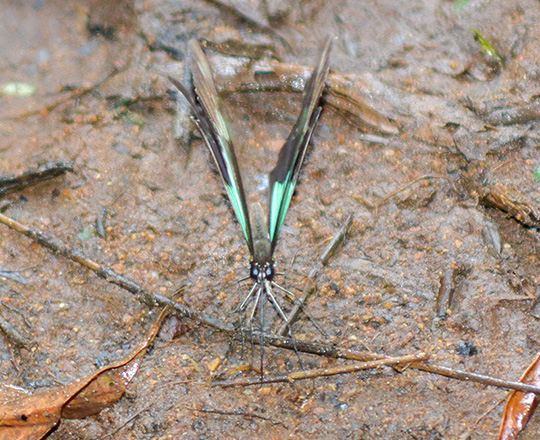
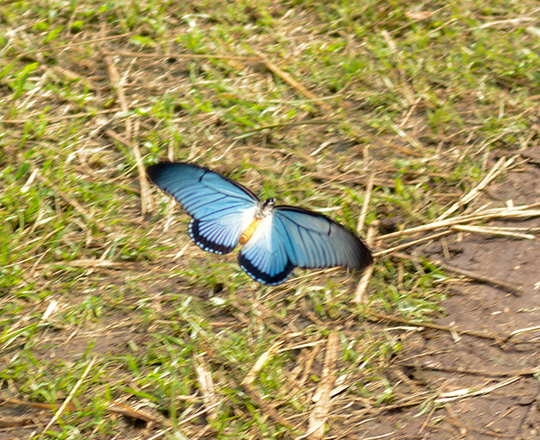
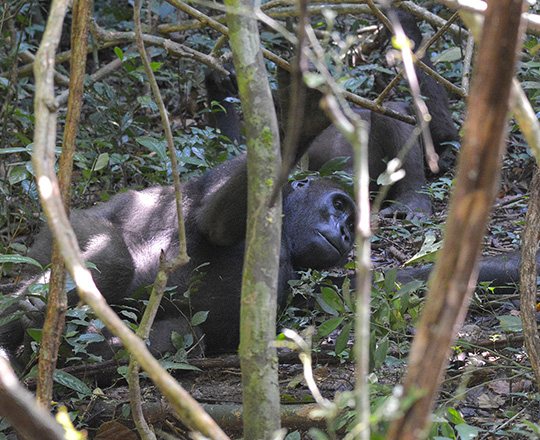
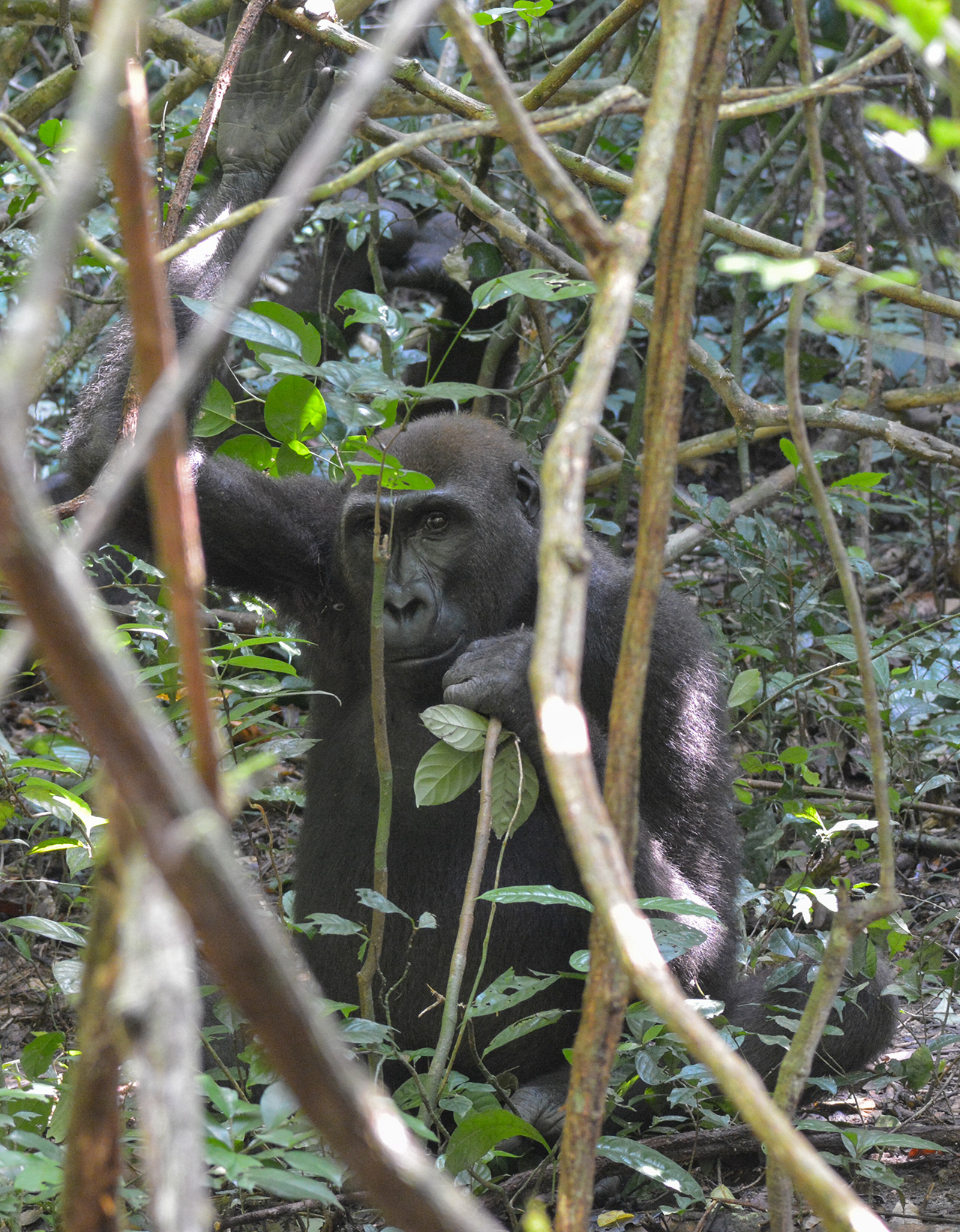
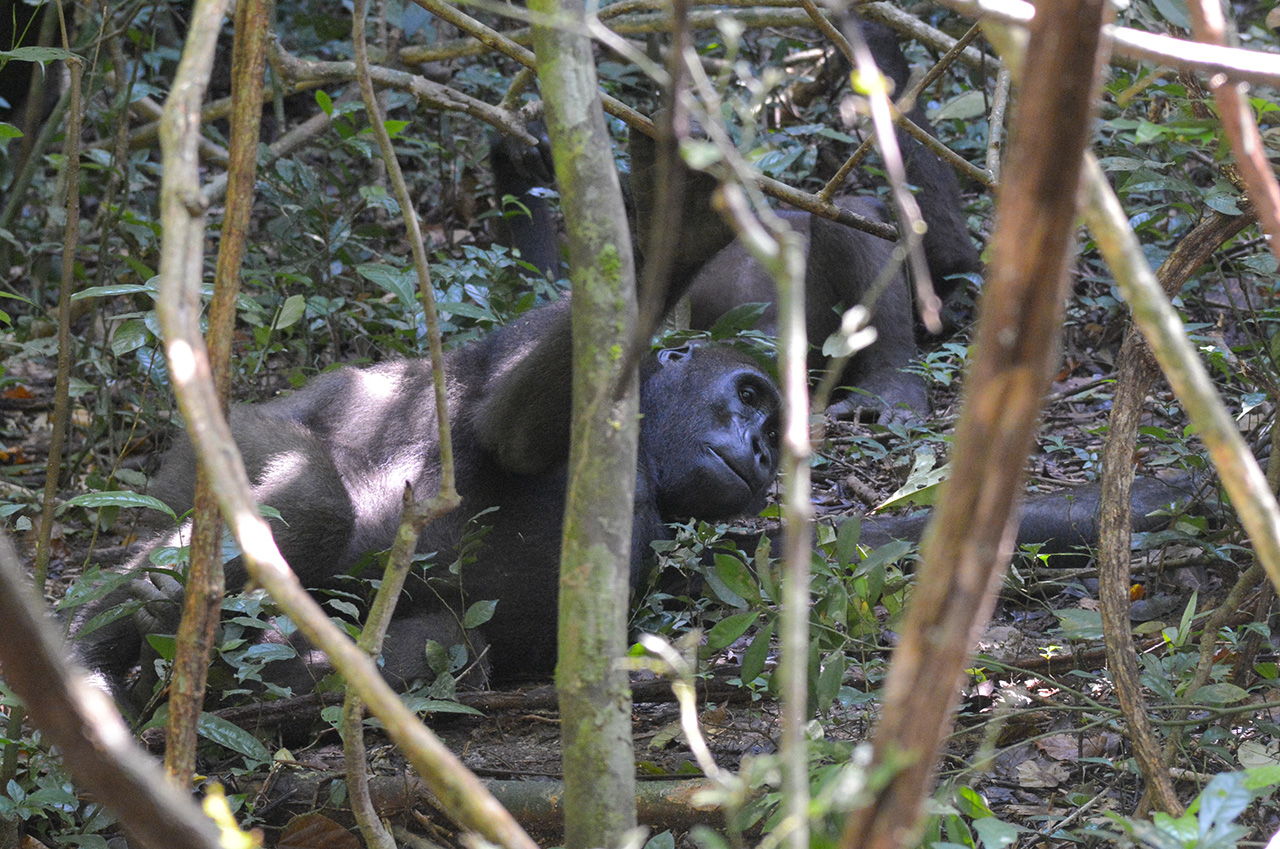
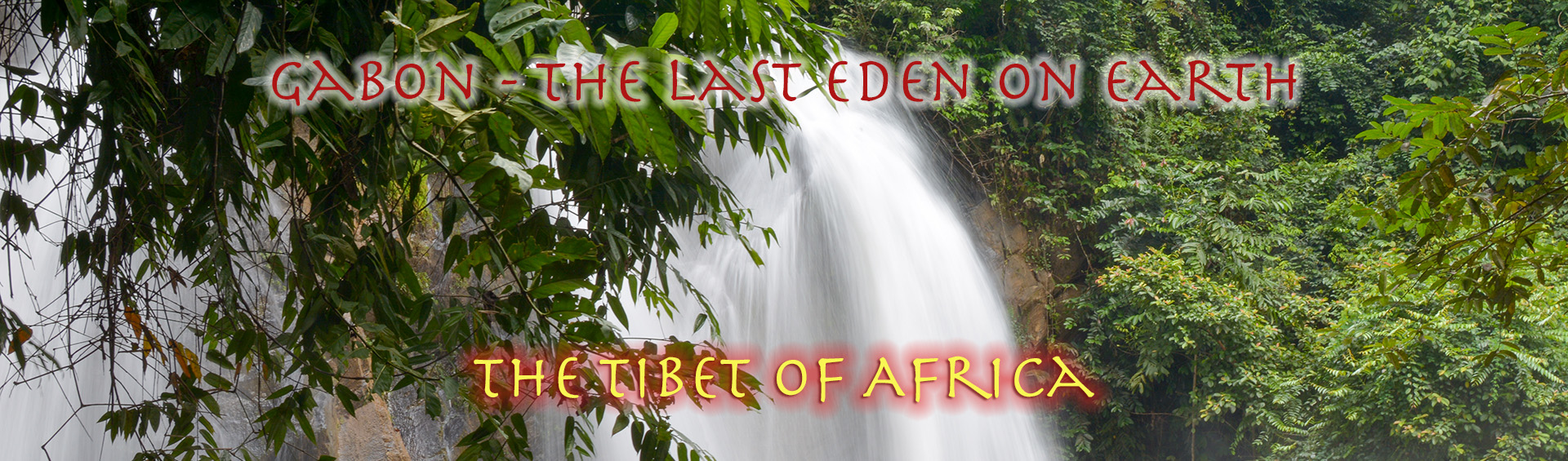
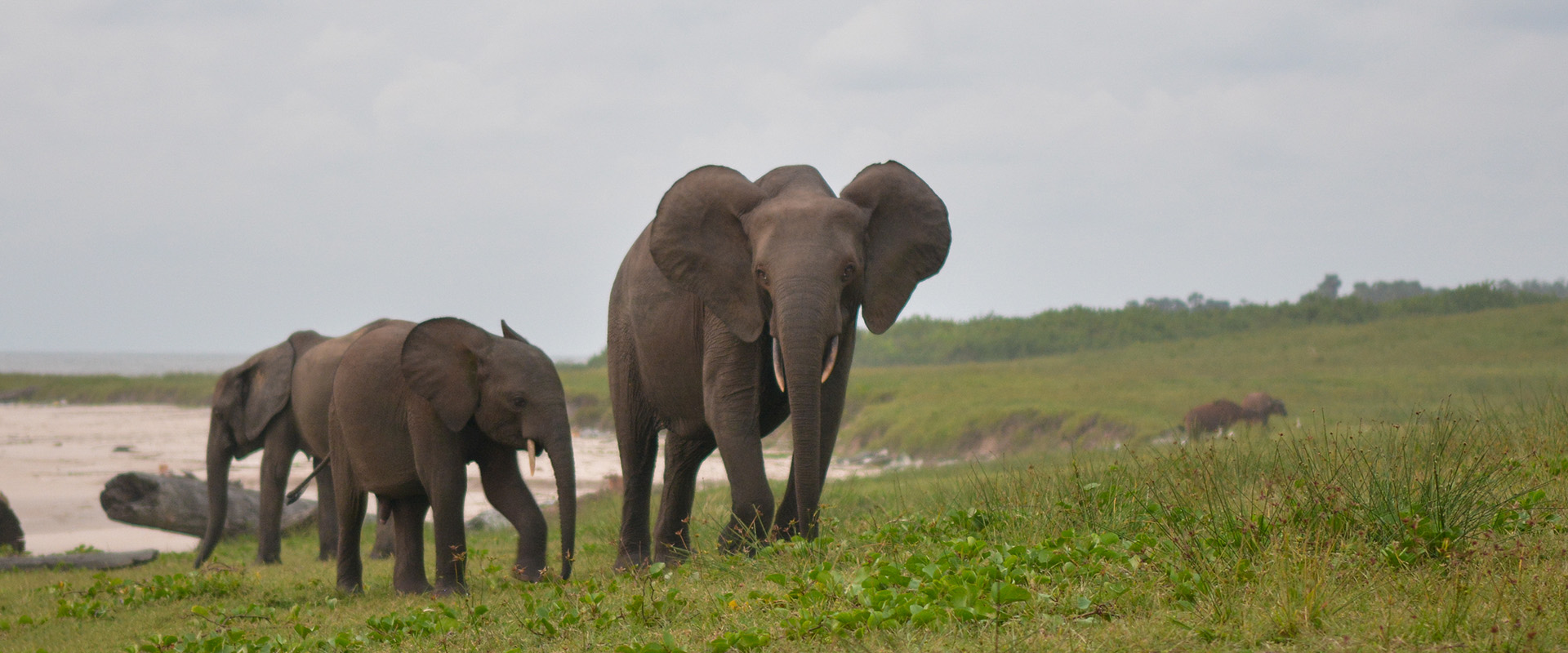
About half of all the African forest elephants reside in Gabon as are about 100.000 Chimpanzees and Gorilla's. With all its nature, Gabon is still largely untouched and considered by many as the last eden on earth.

But know this eden is warm and humid.

Very few people use sunblock or any other sun protection as the high humidity seems to make the sun less intense. Yes the fact is that UV radiation will go right through humid air, but the other fact is that nobody staying in our village from Europe or America get sunburnedxf.

During the dry season, Gabon is covered in an overcast layer of stratus clouds. So no sunshine during the dry season. During the wet season, the sun shows up occationally but the heat will make you avoid sunbathing.


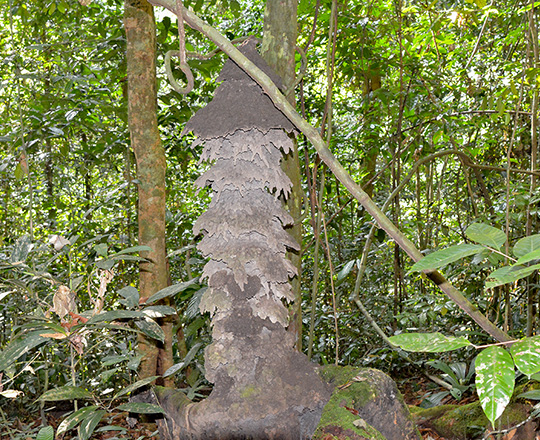
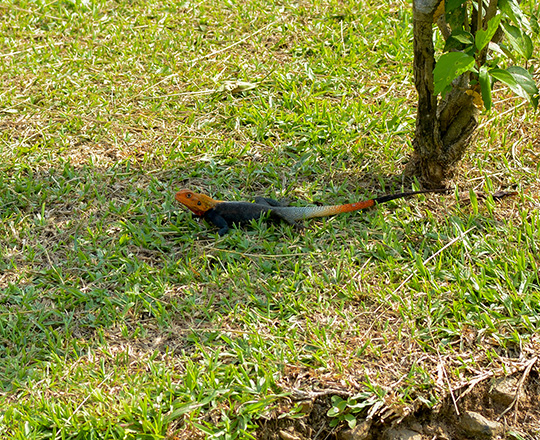
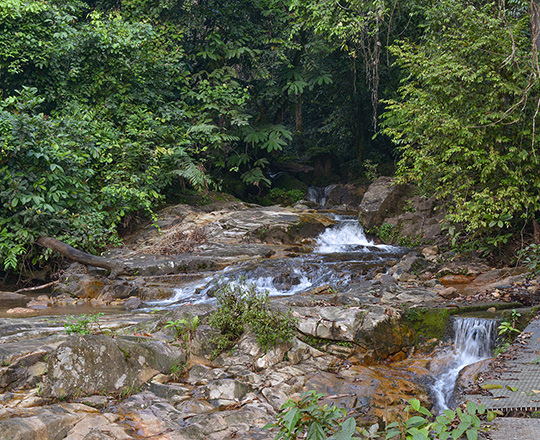
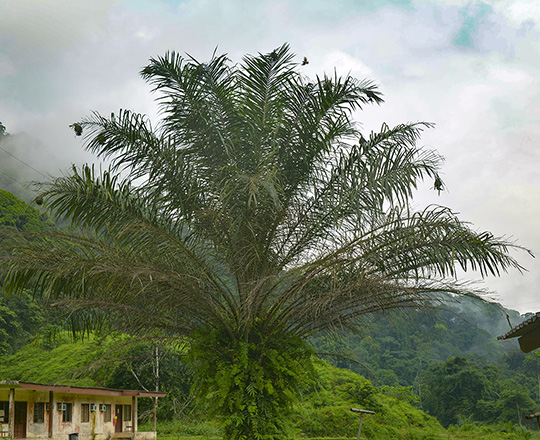
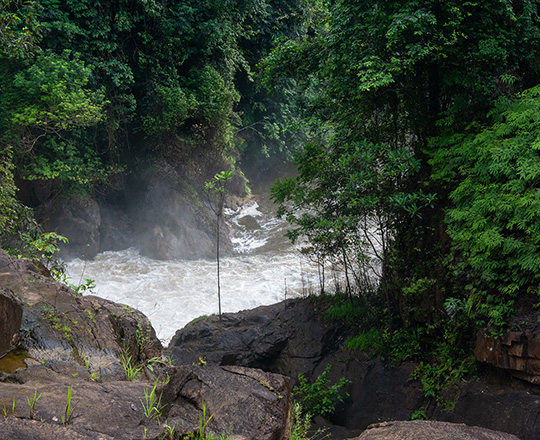
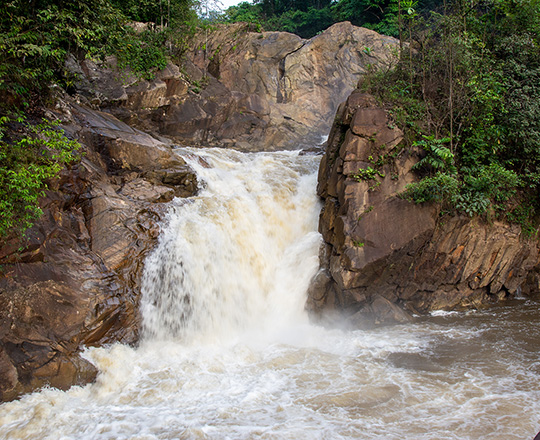
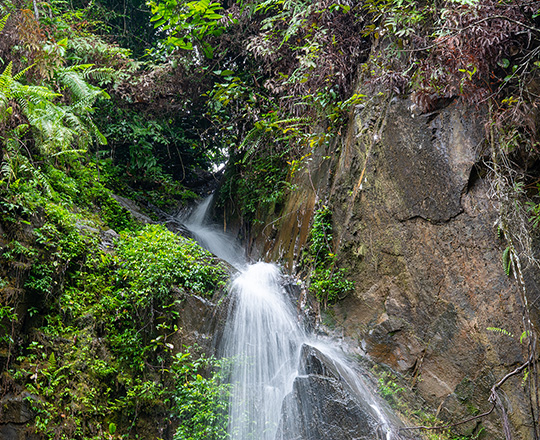
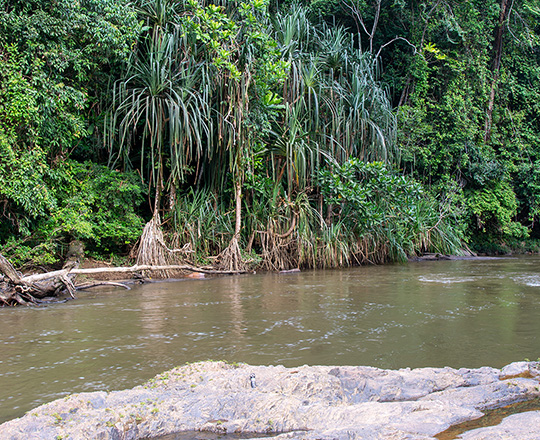
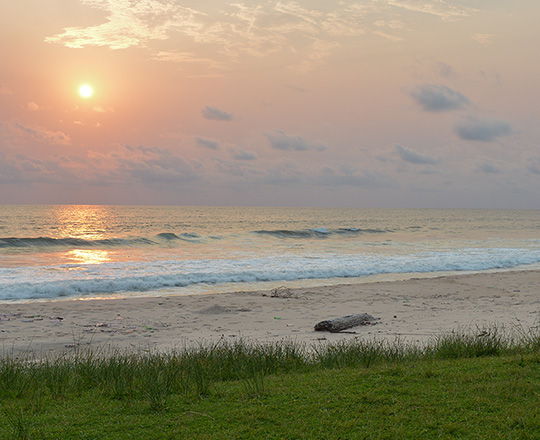
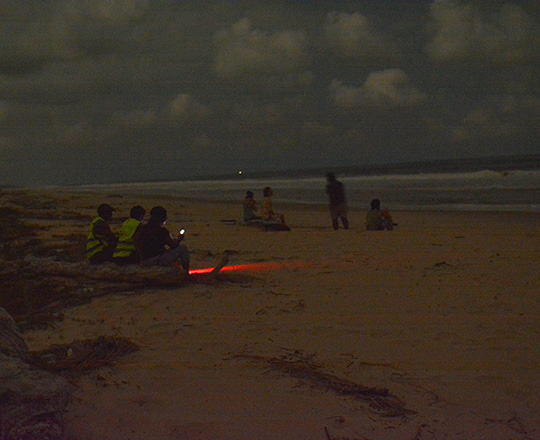
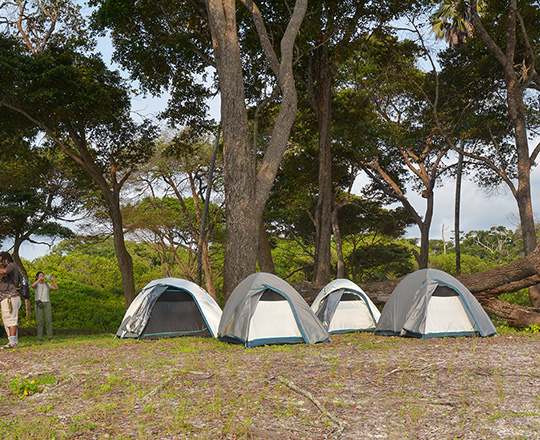
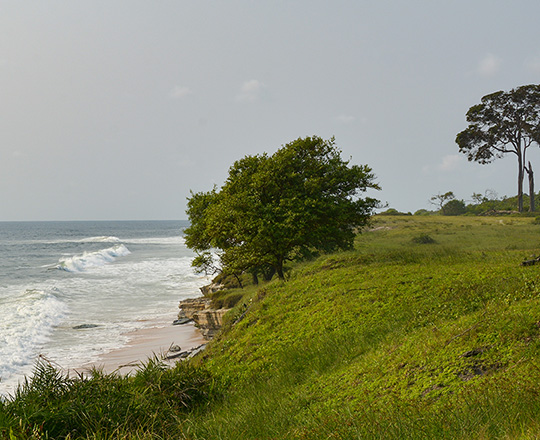
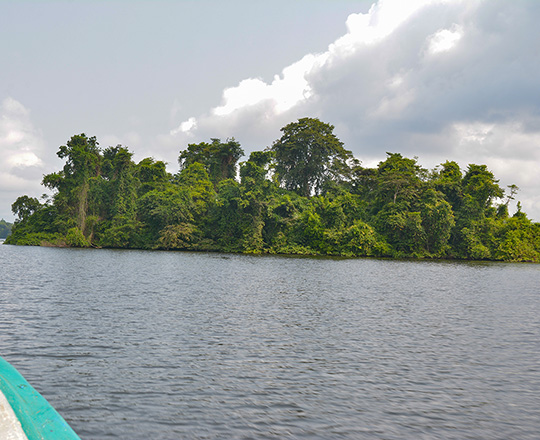
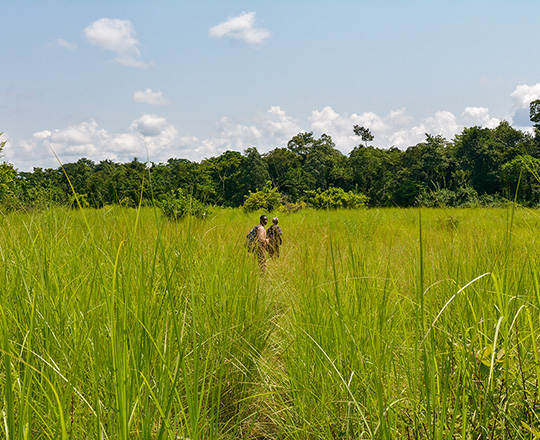
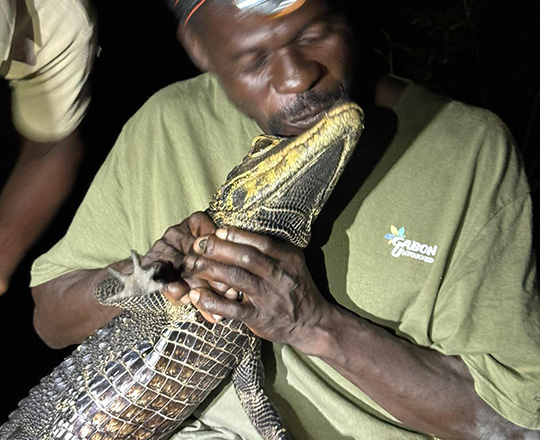
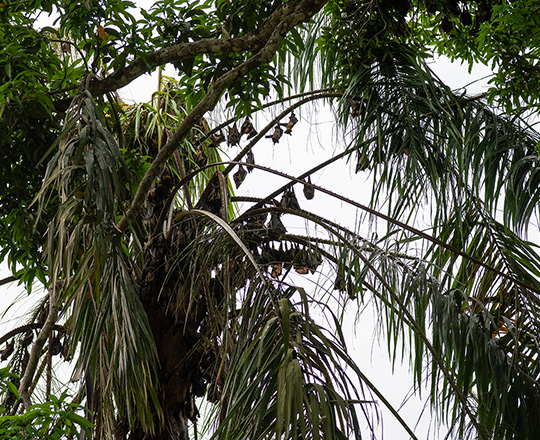
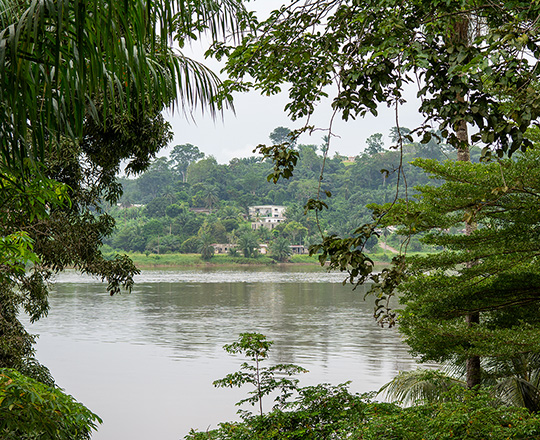
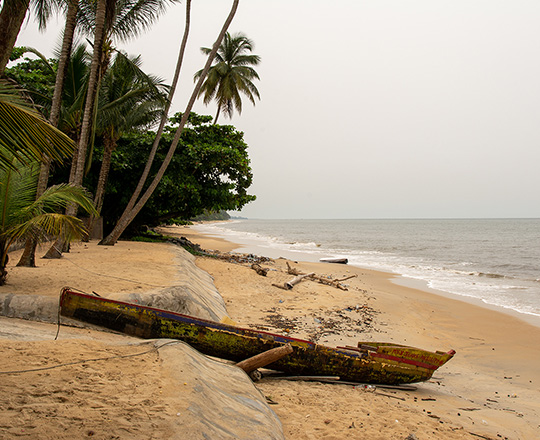
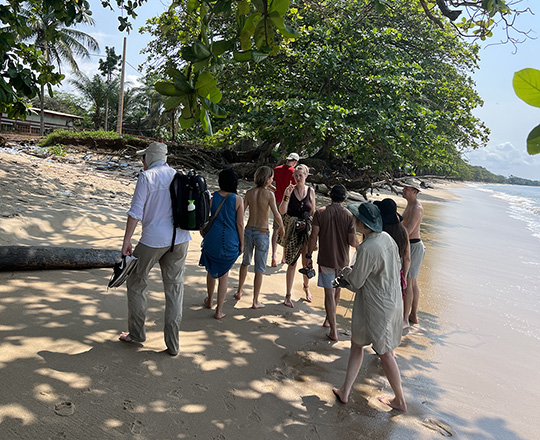
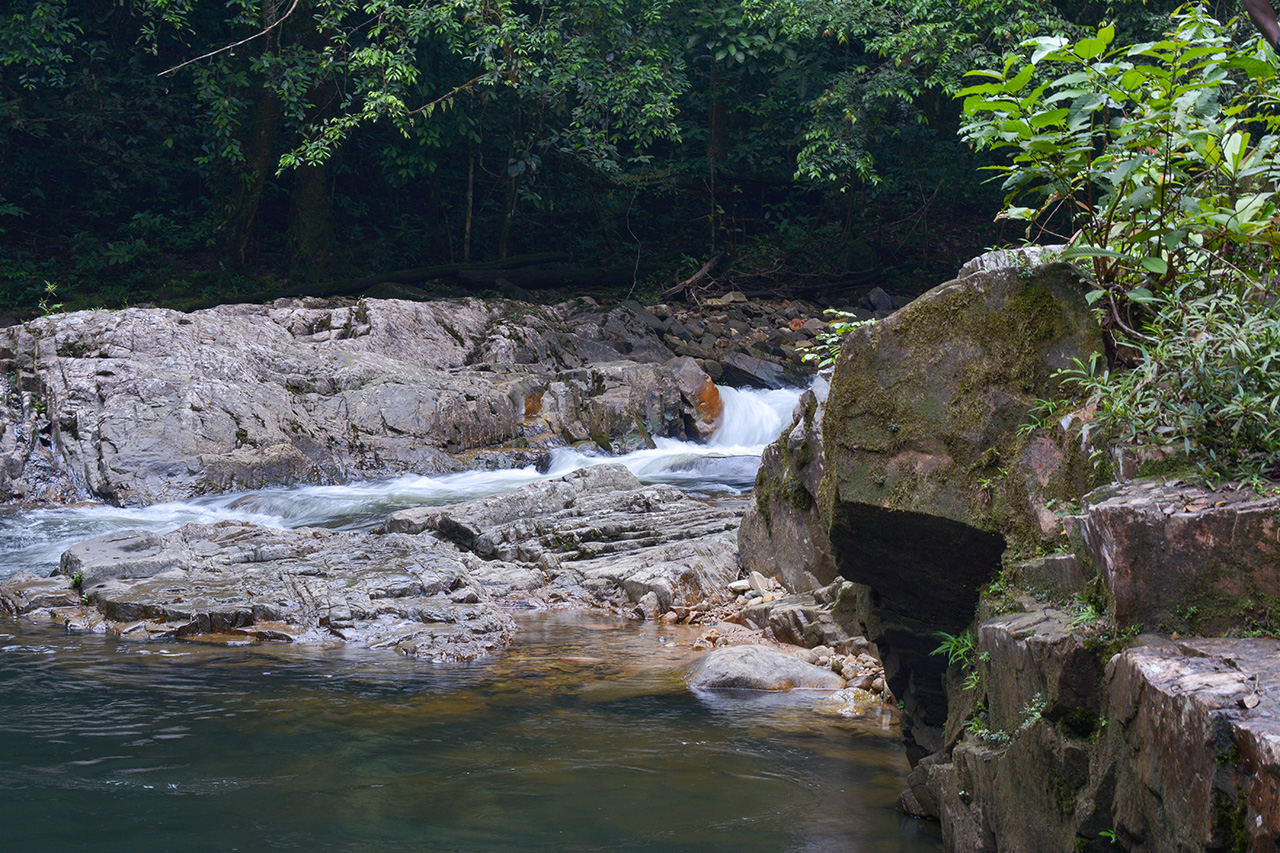
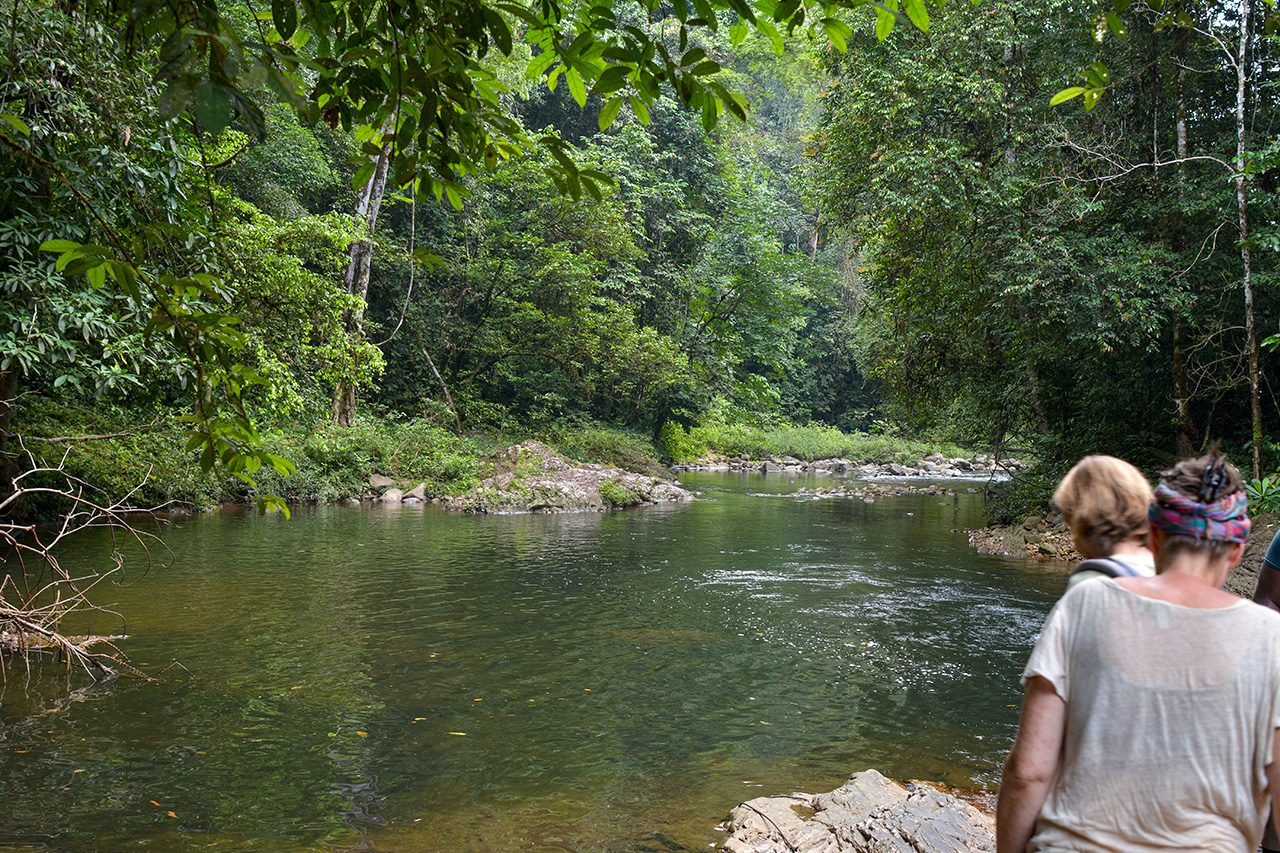
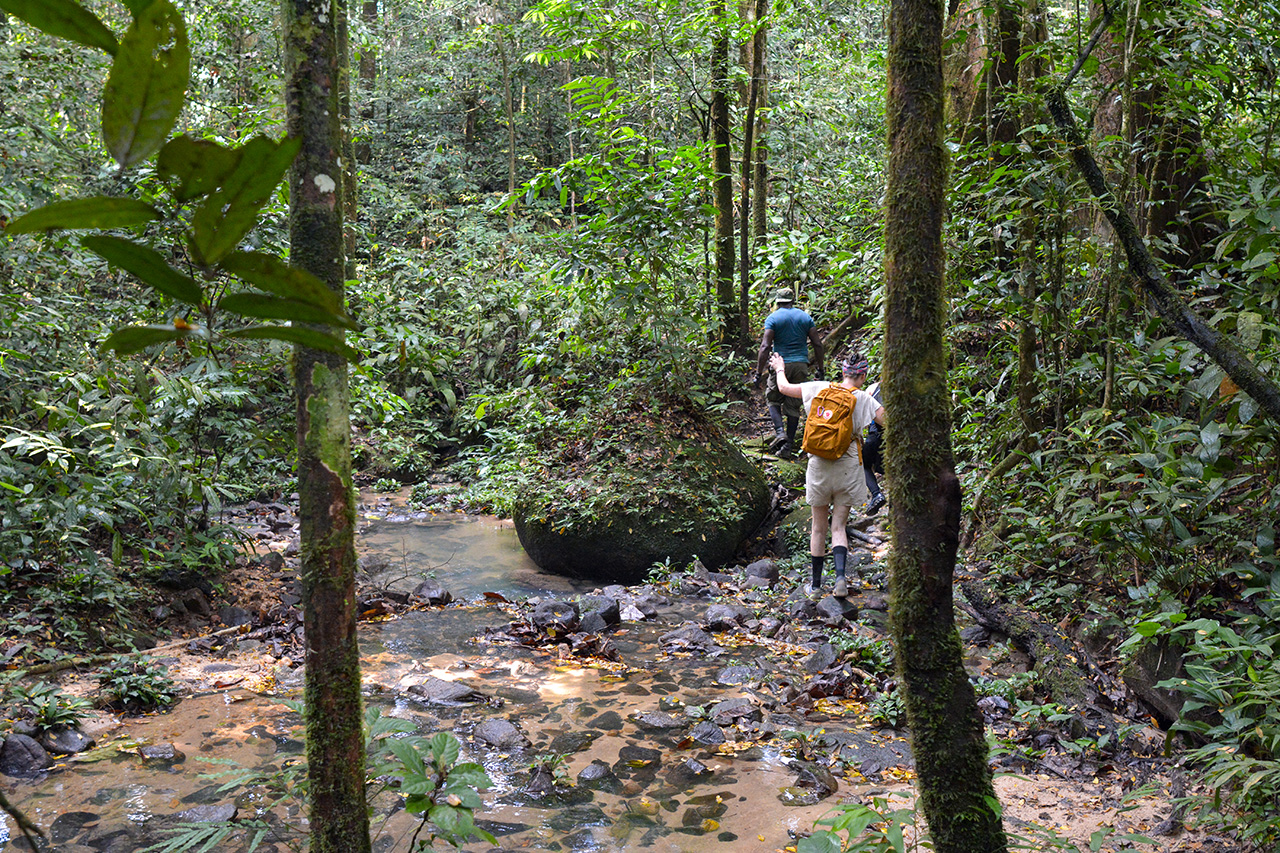
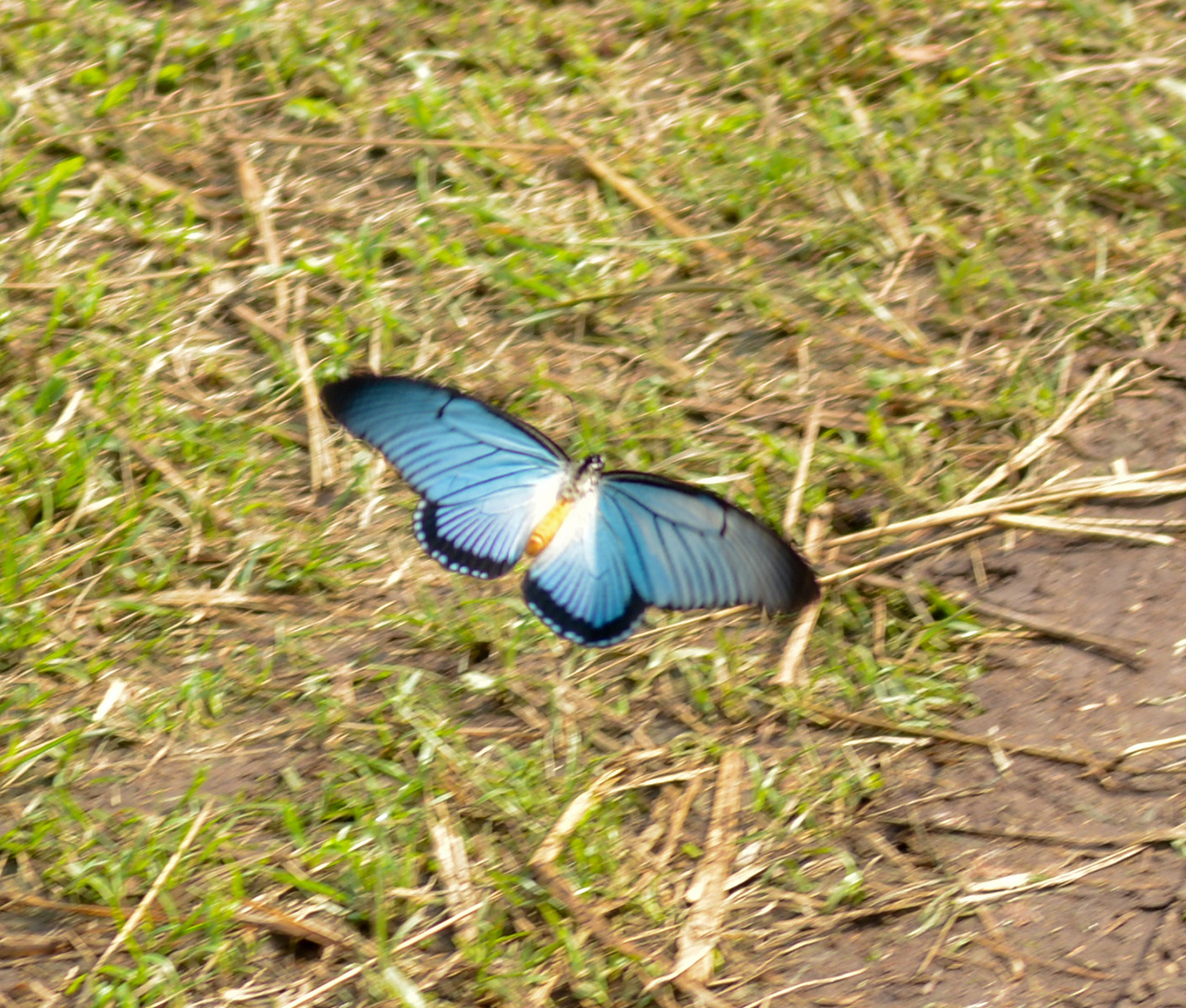
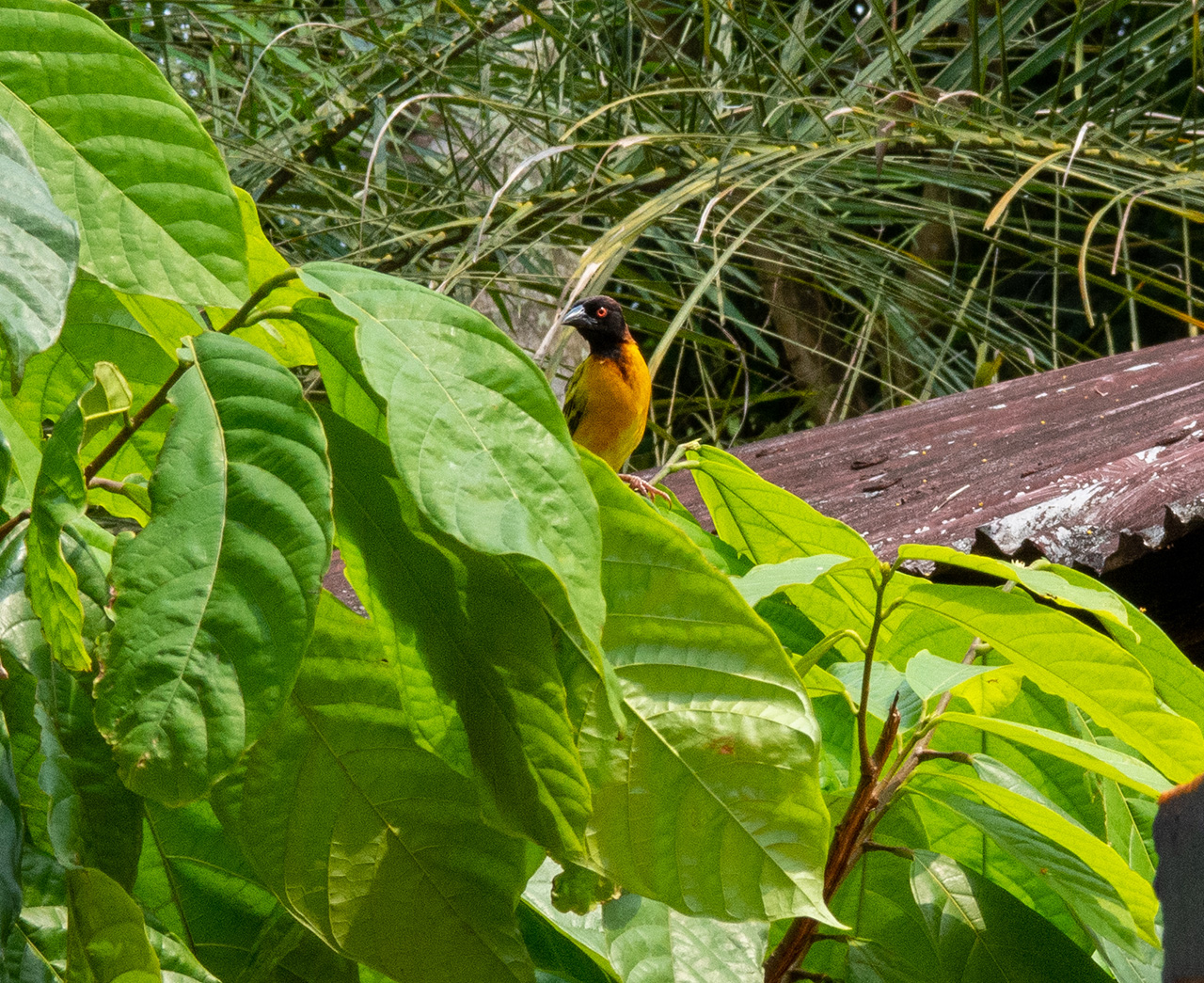
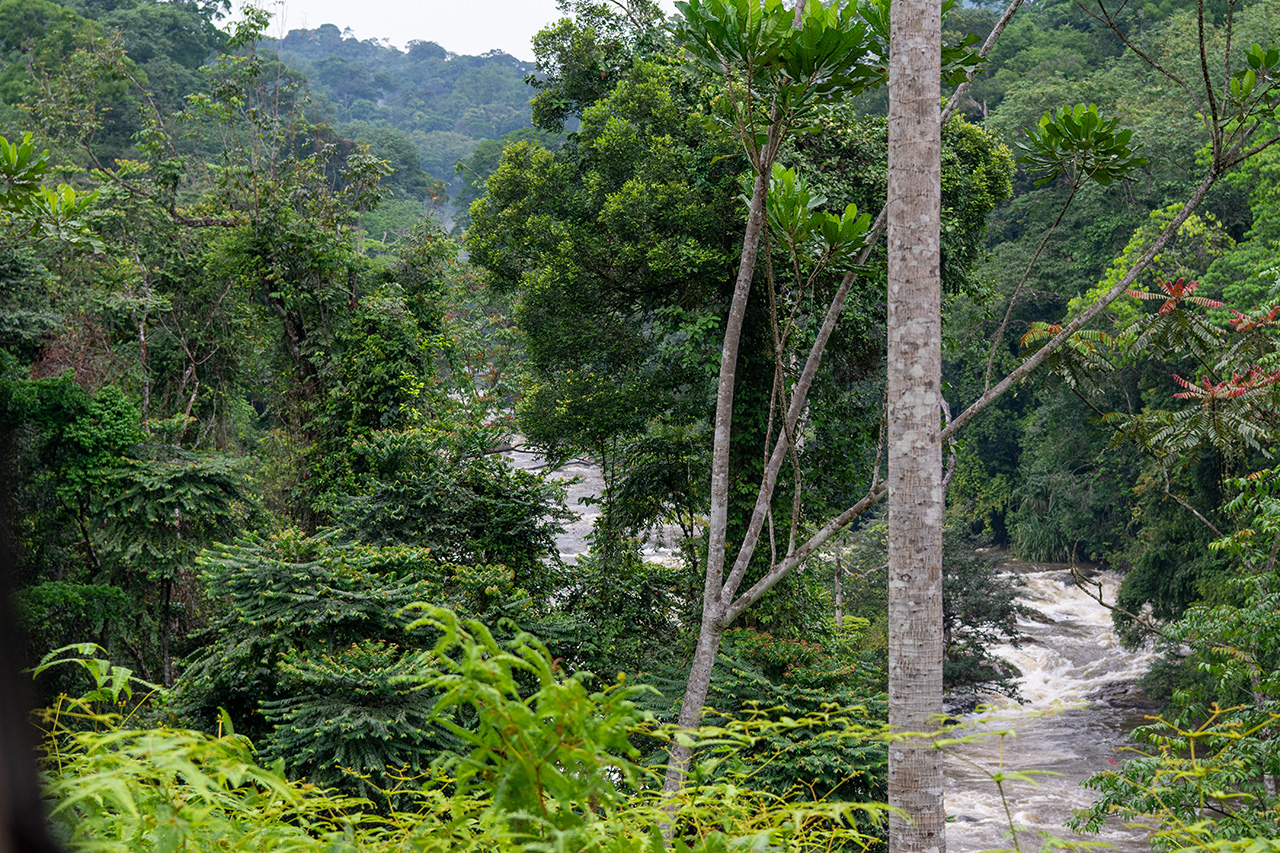
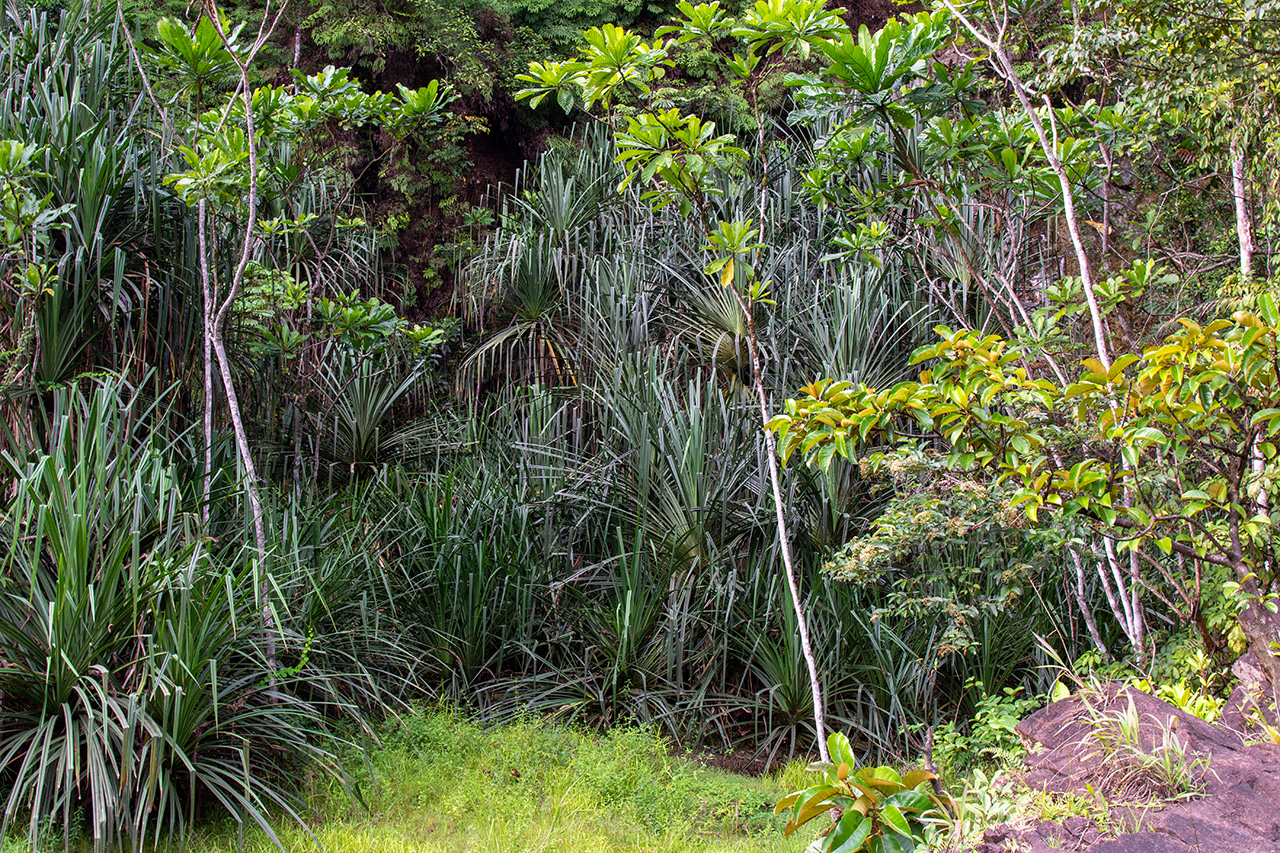
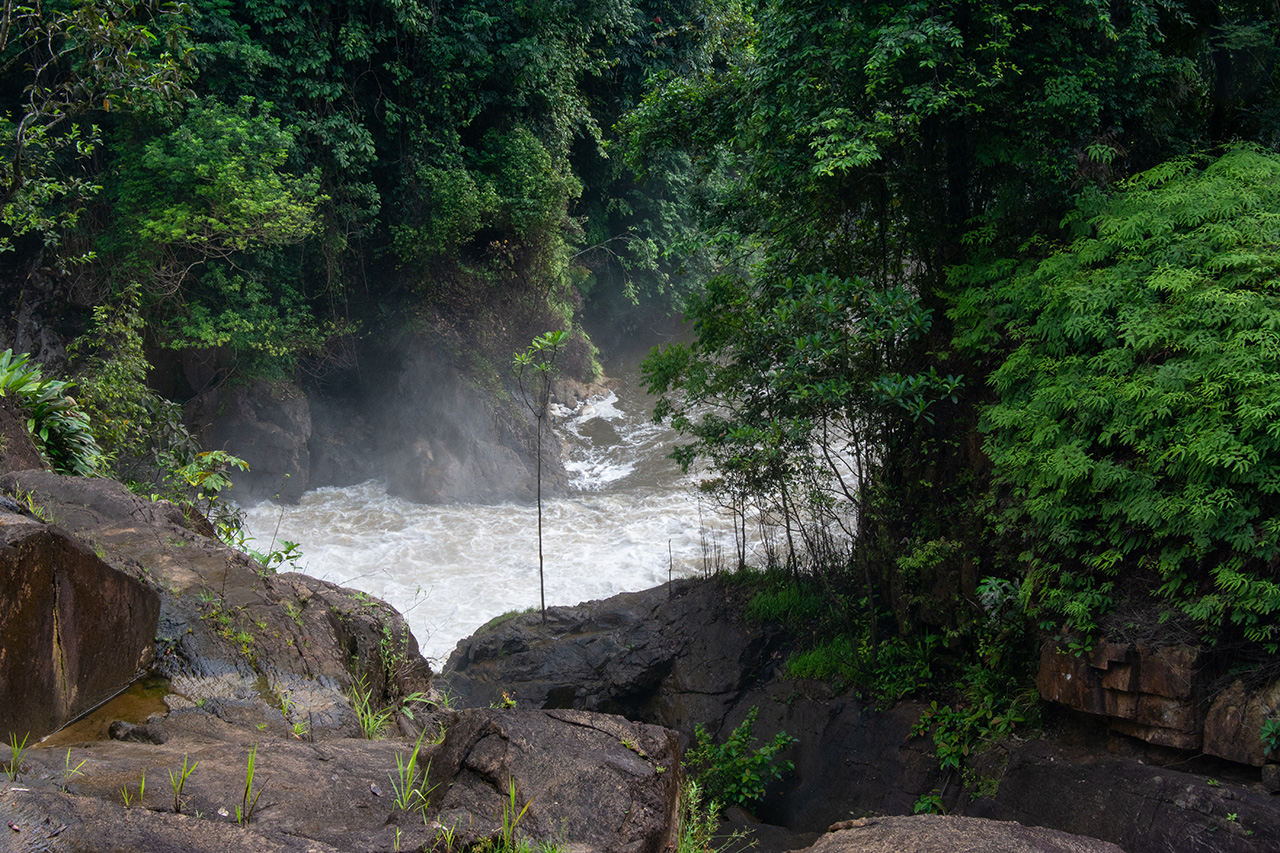
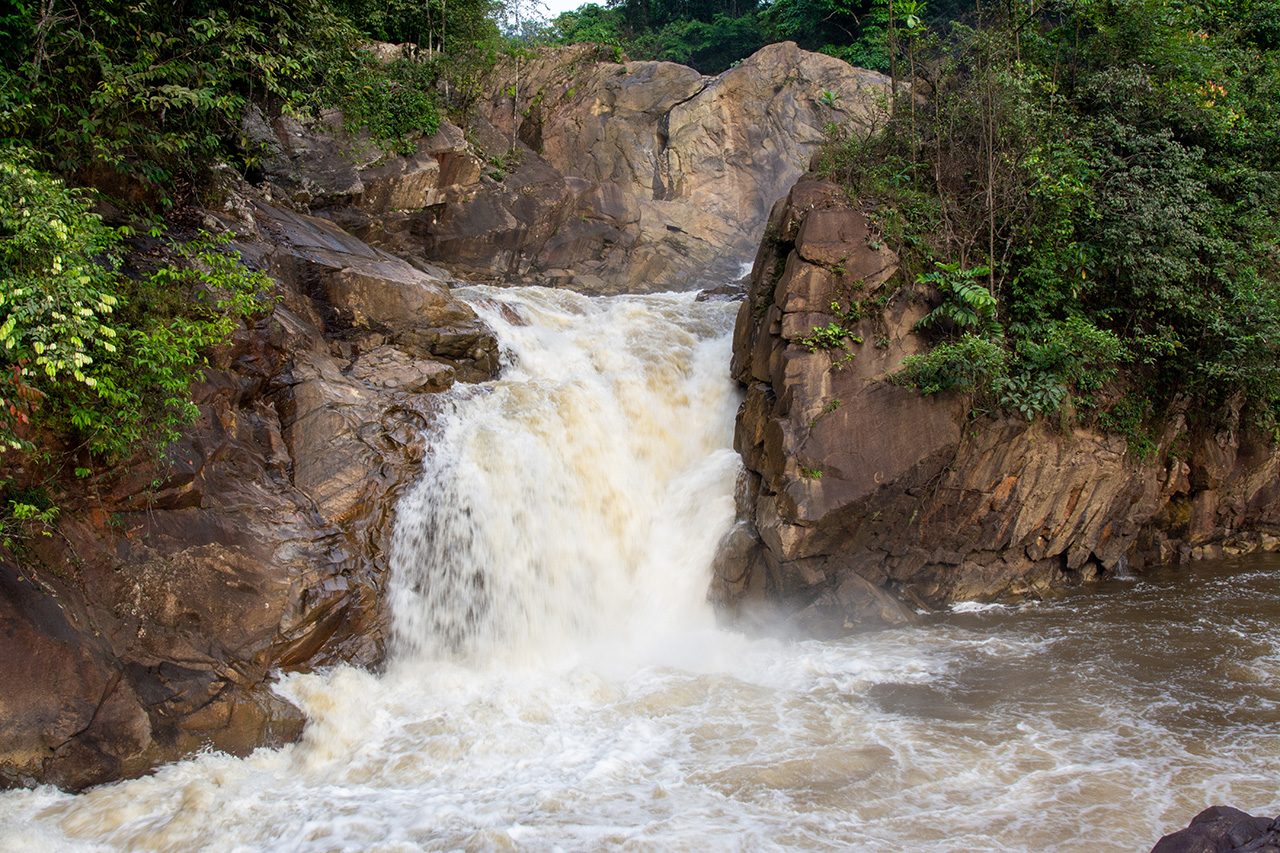
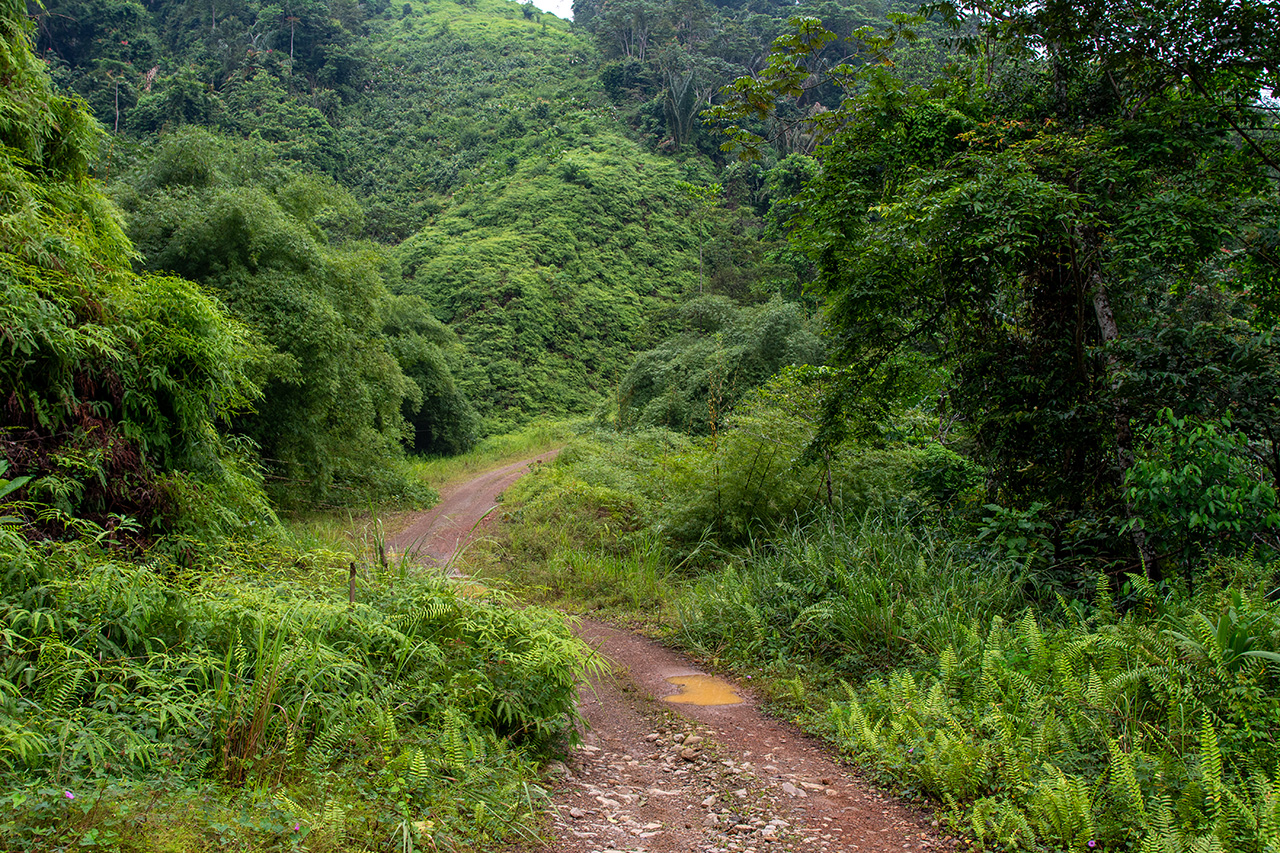
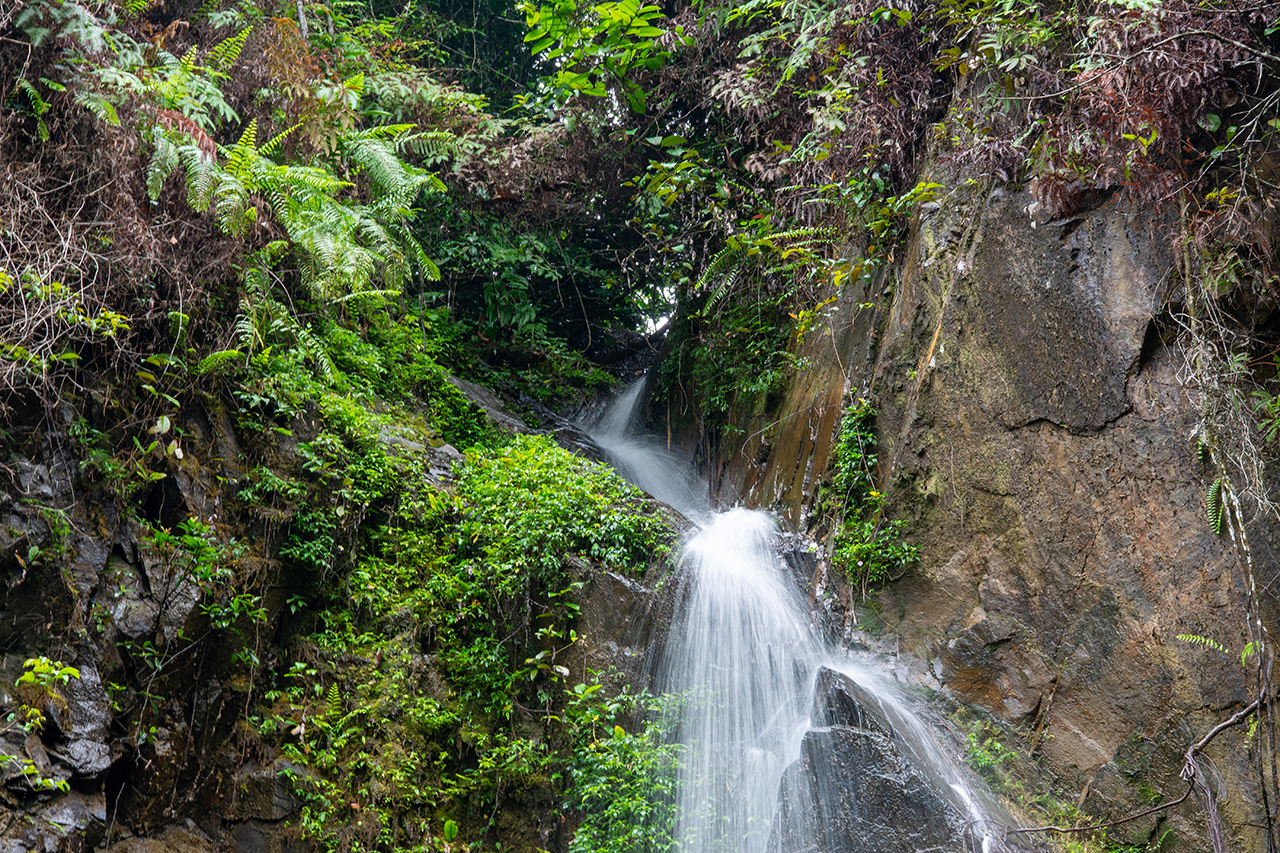
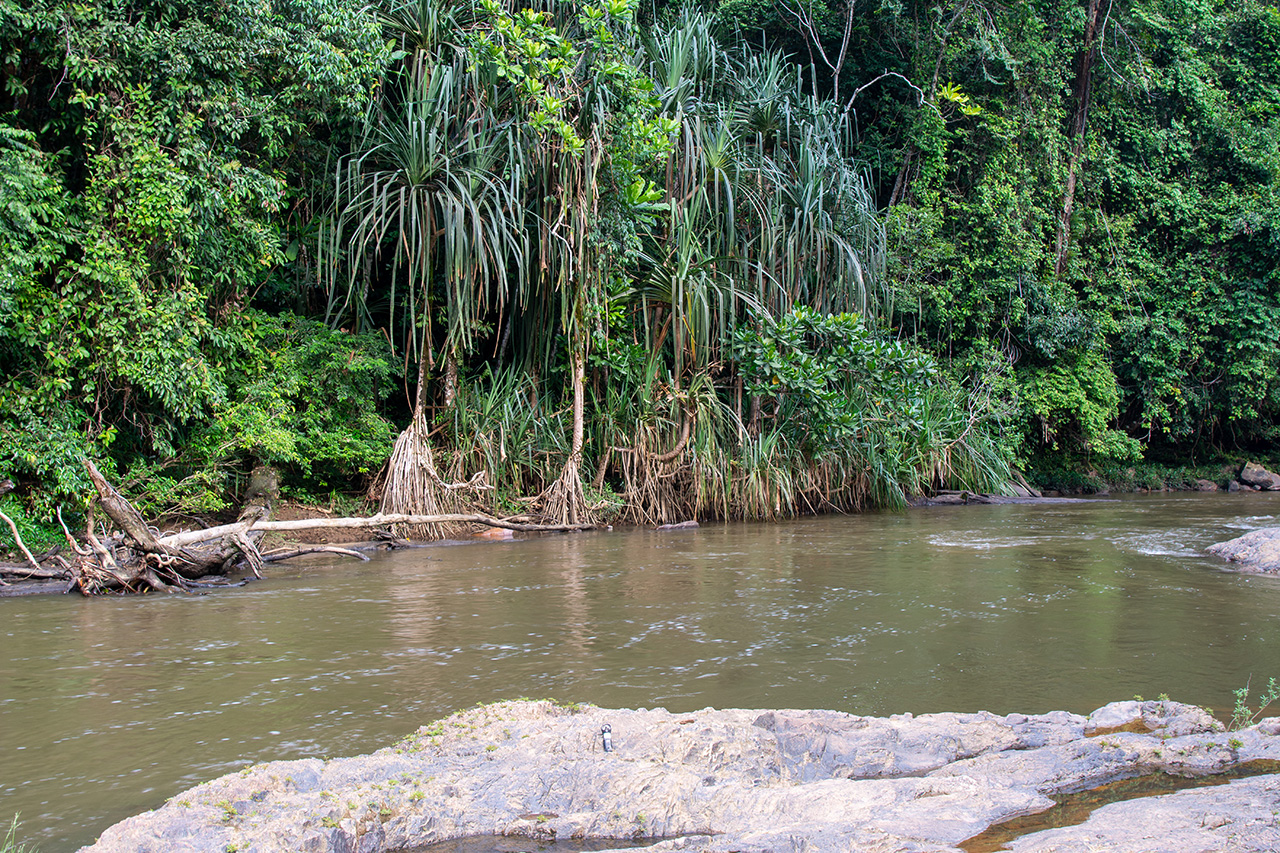
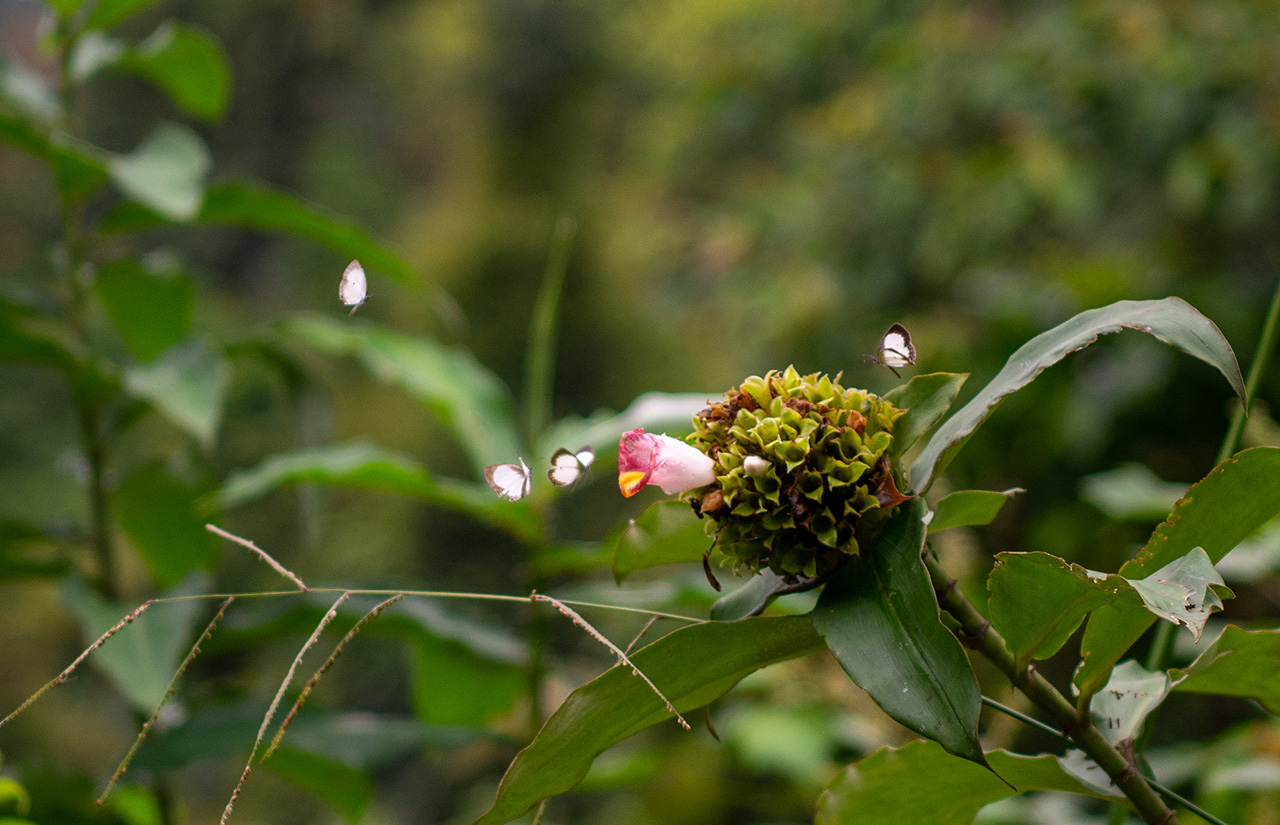
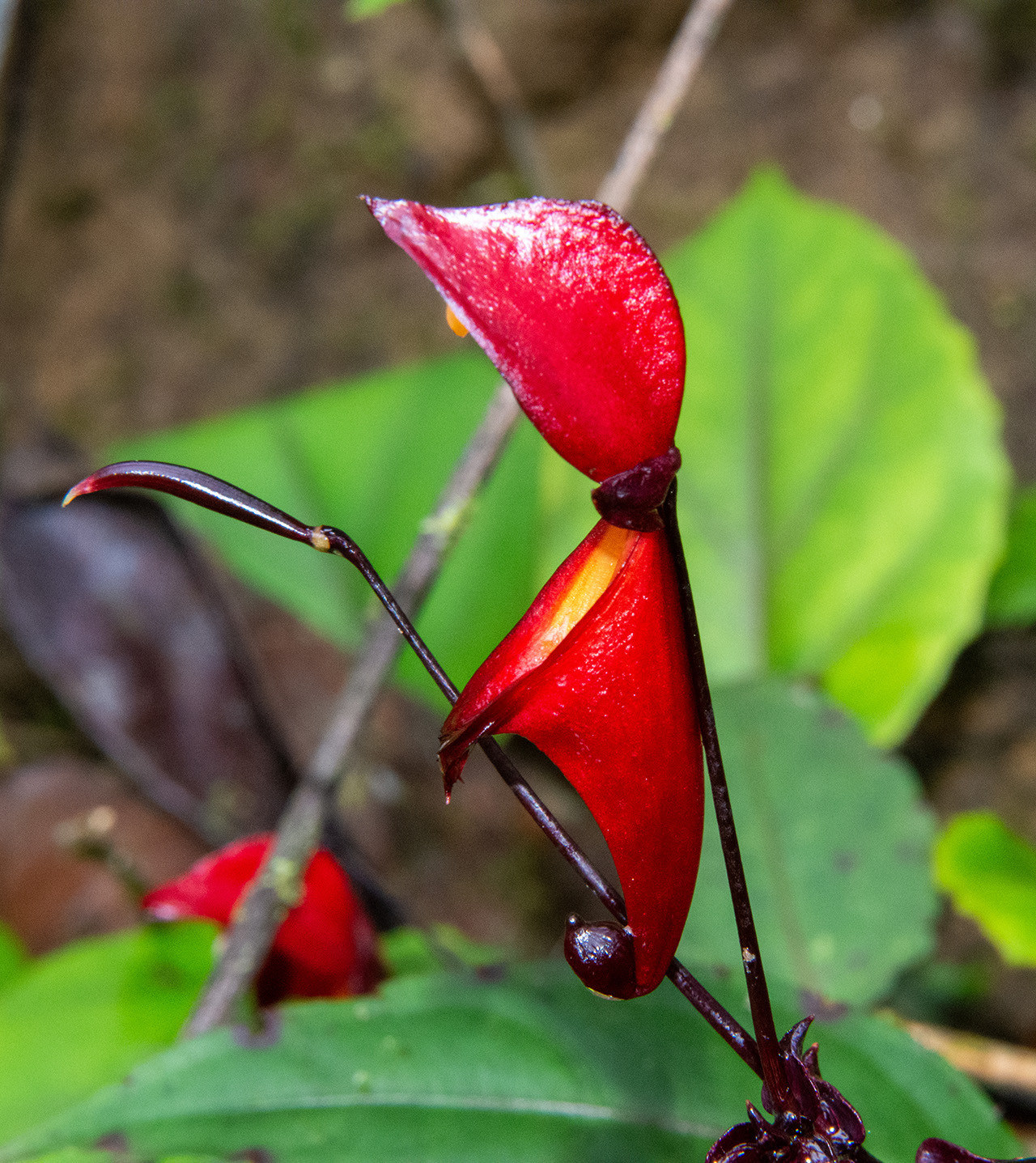
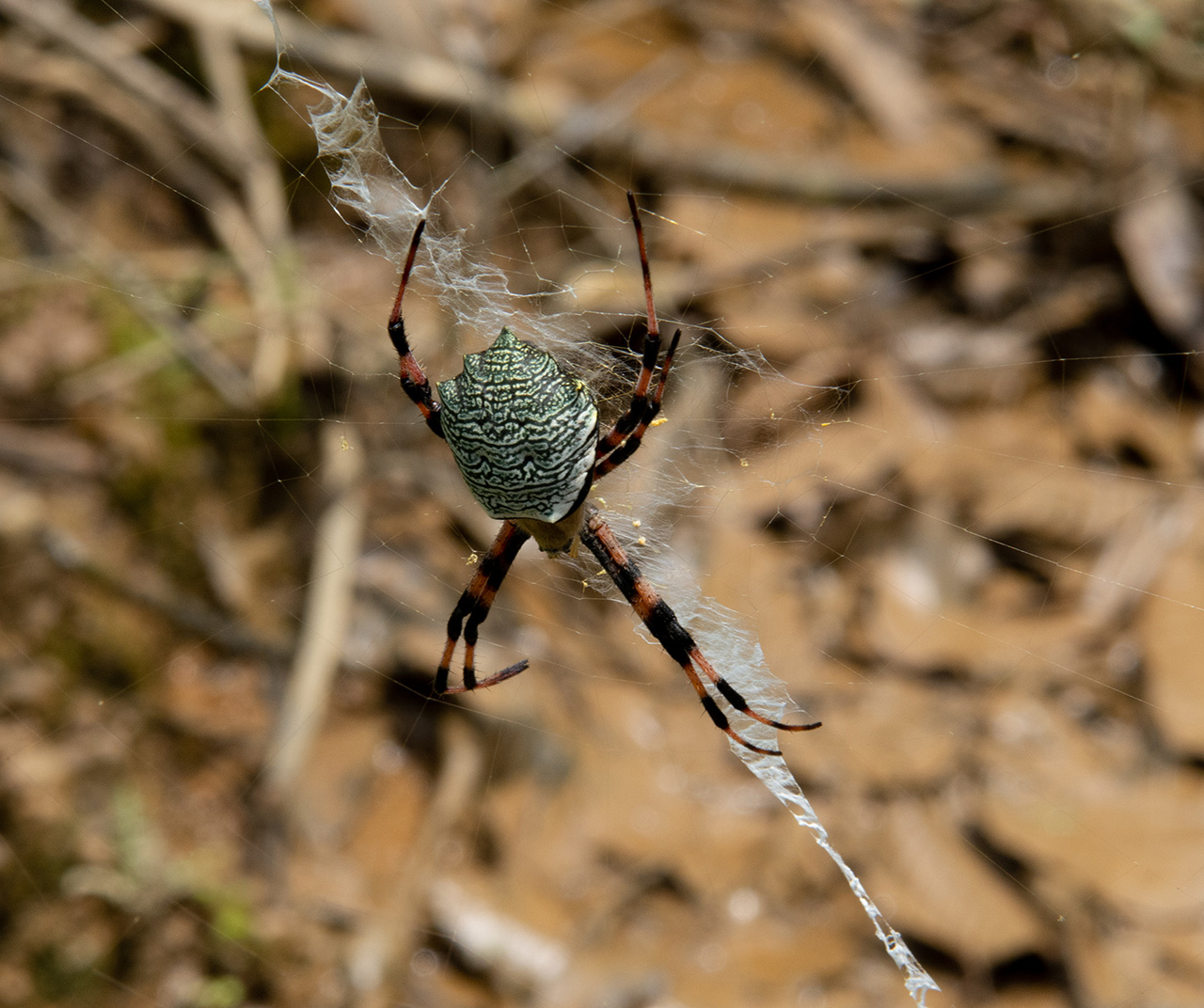
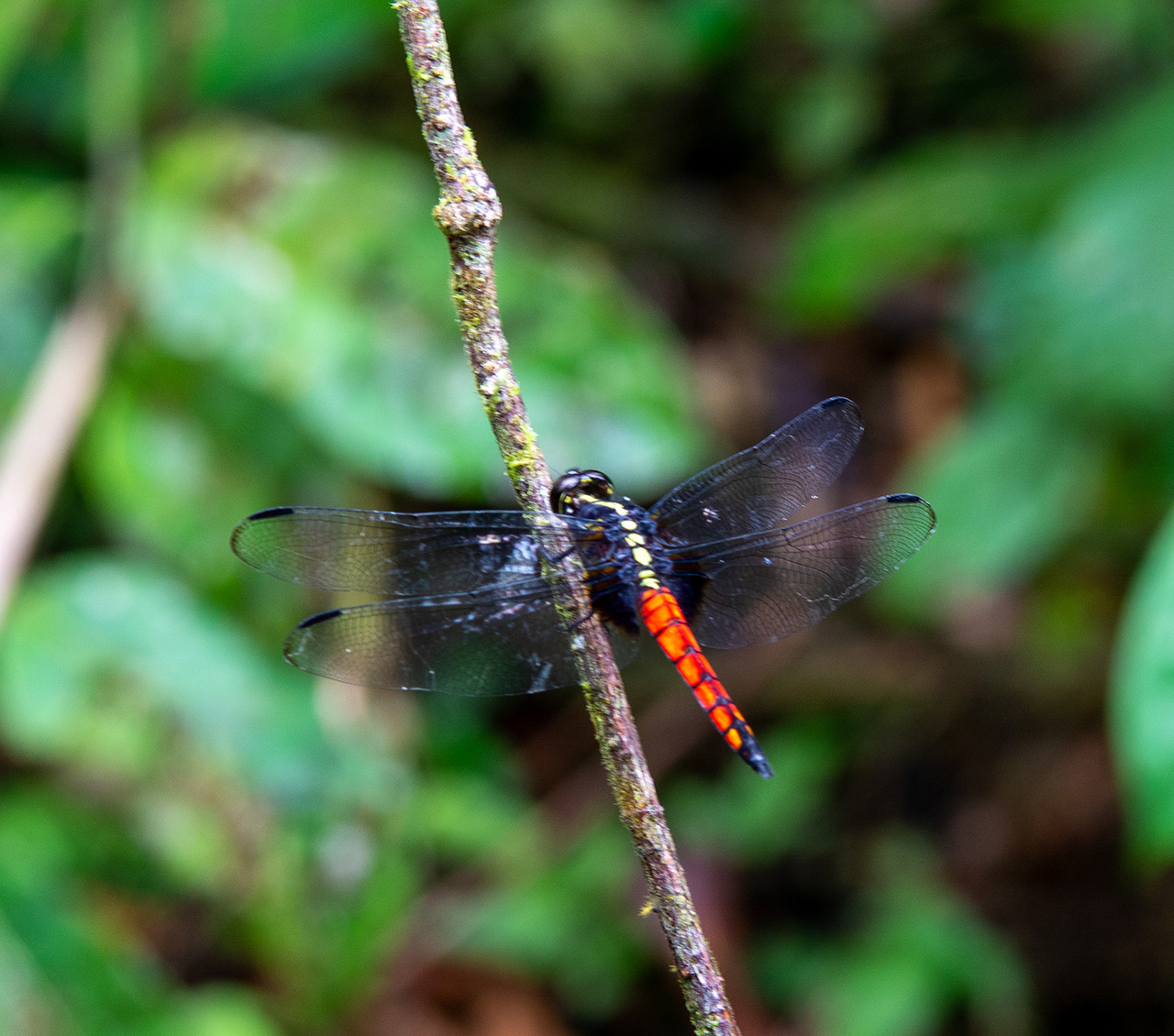
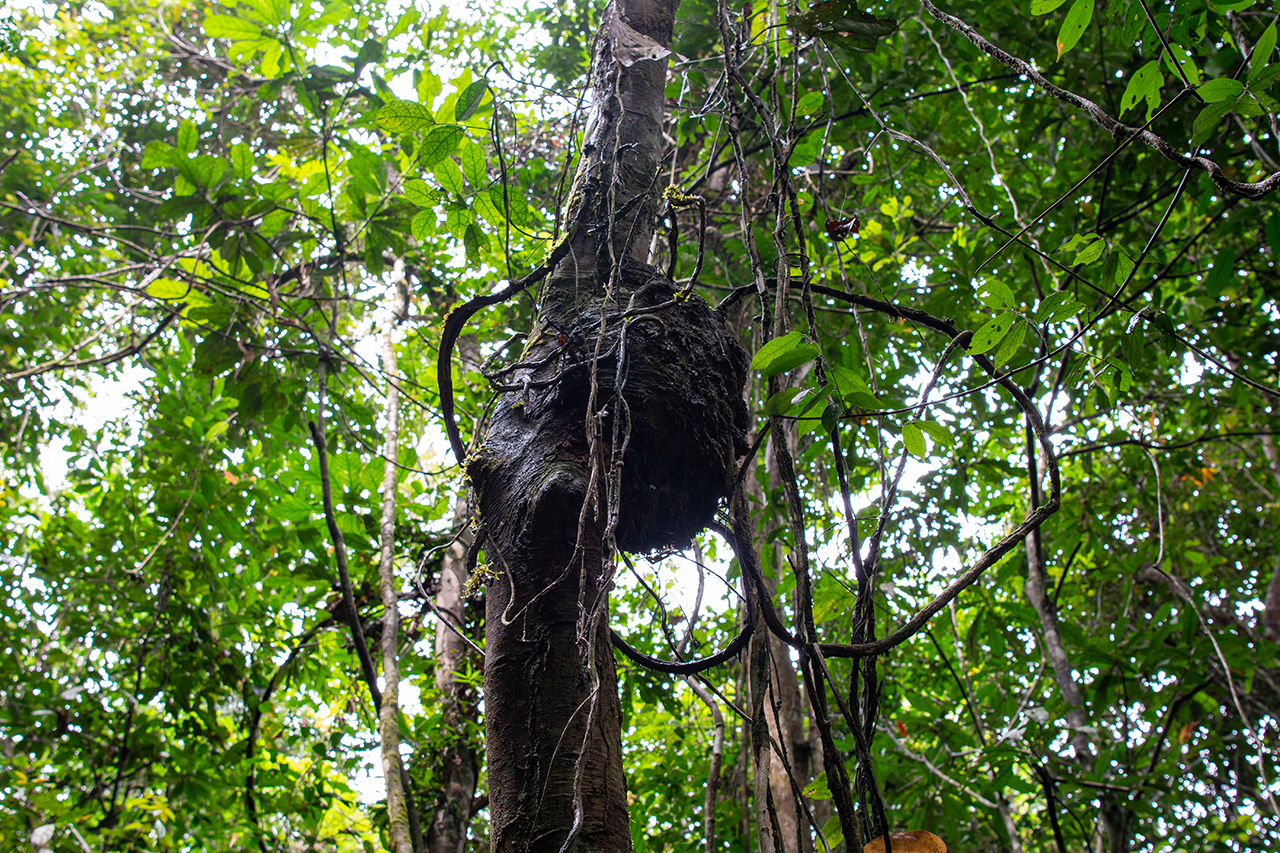
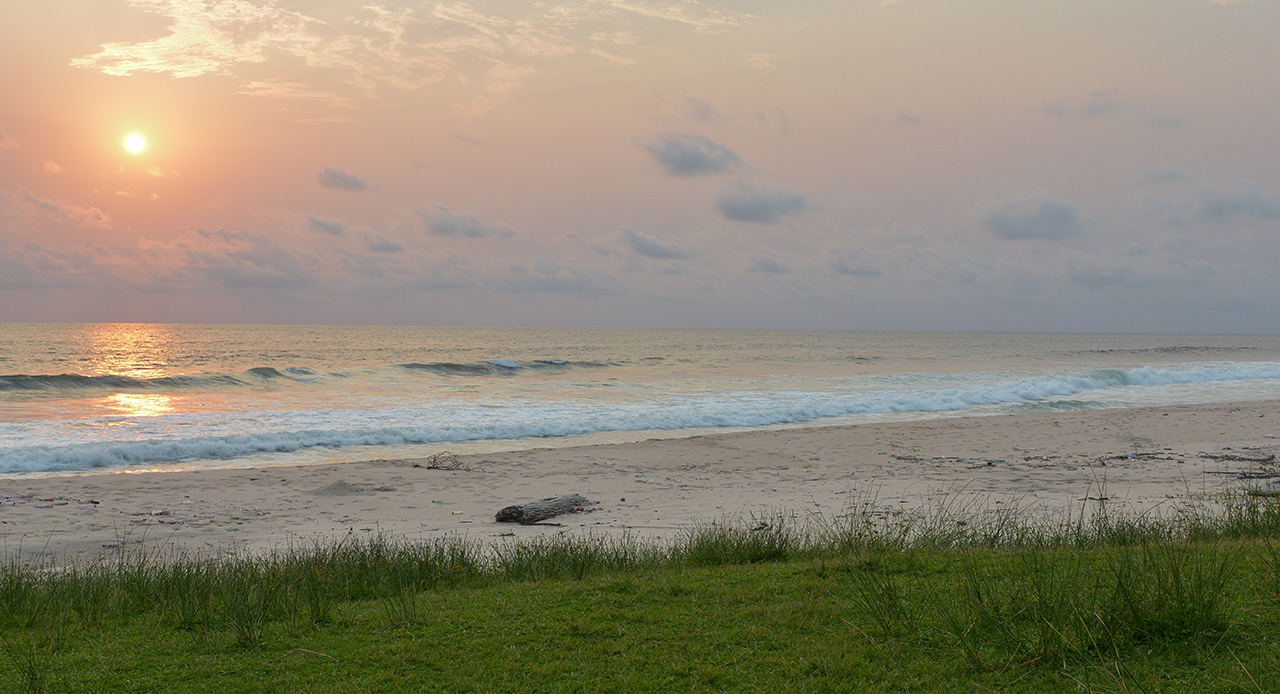
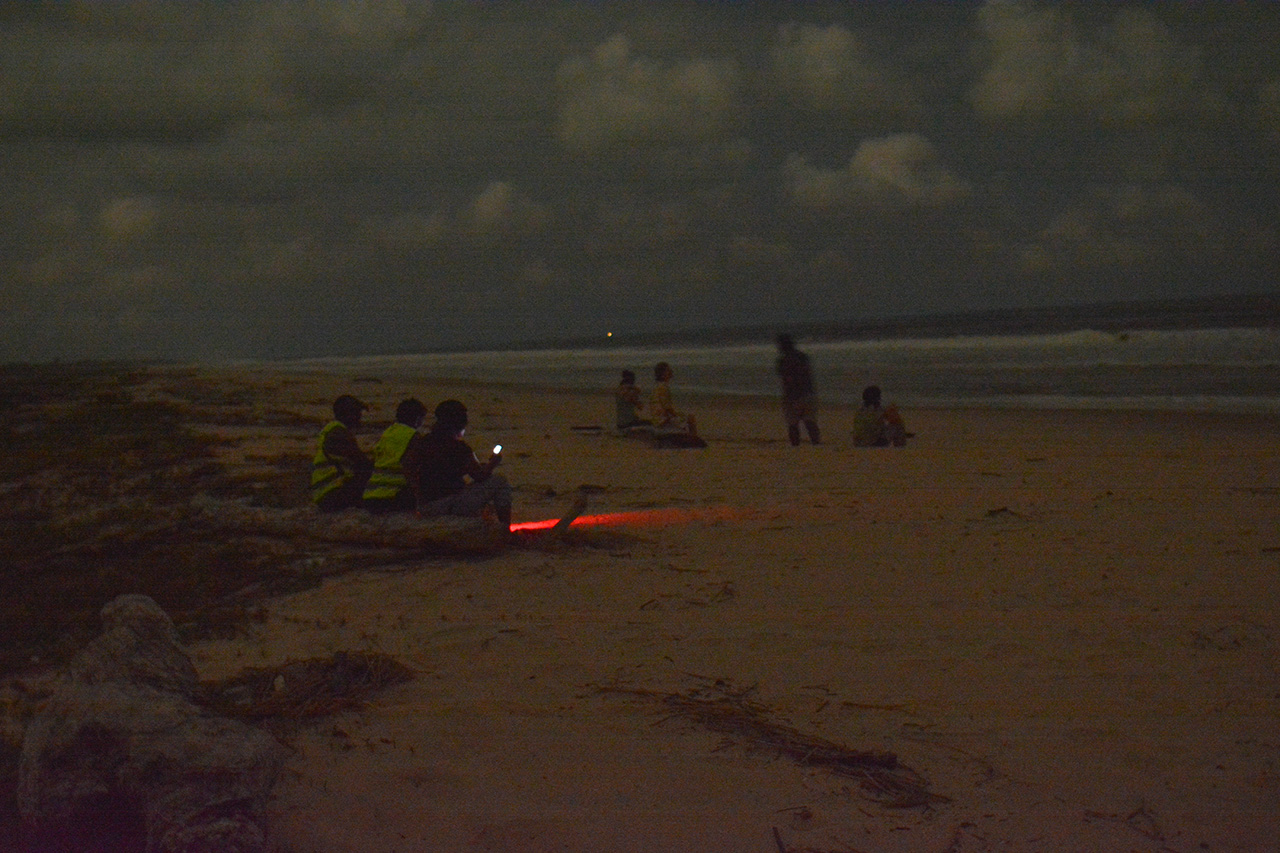
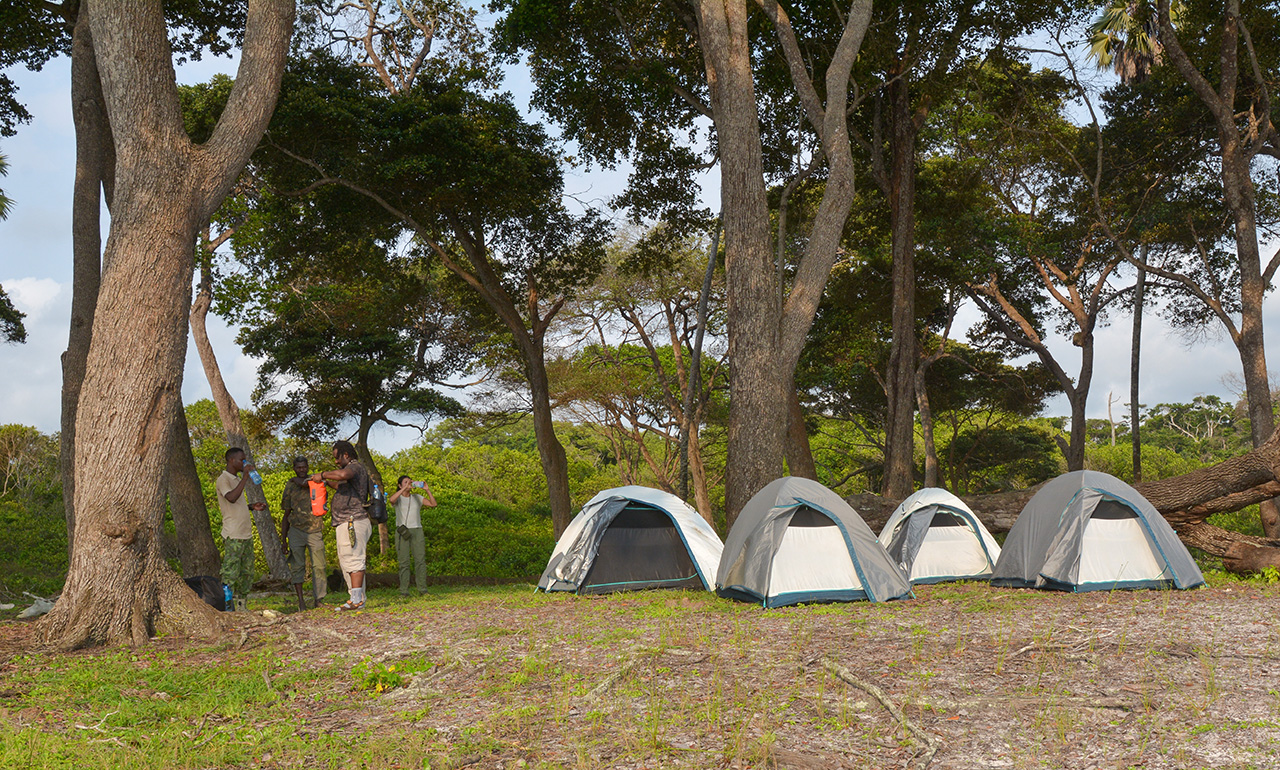
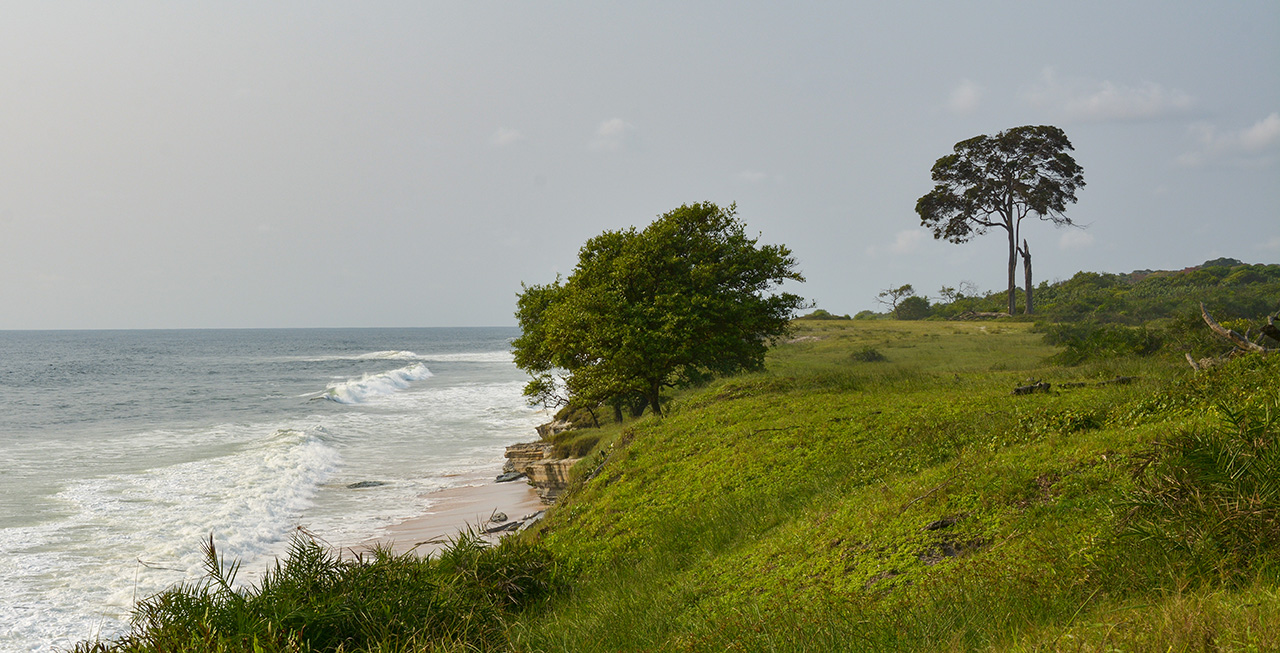
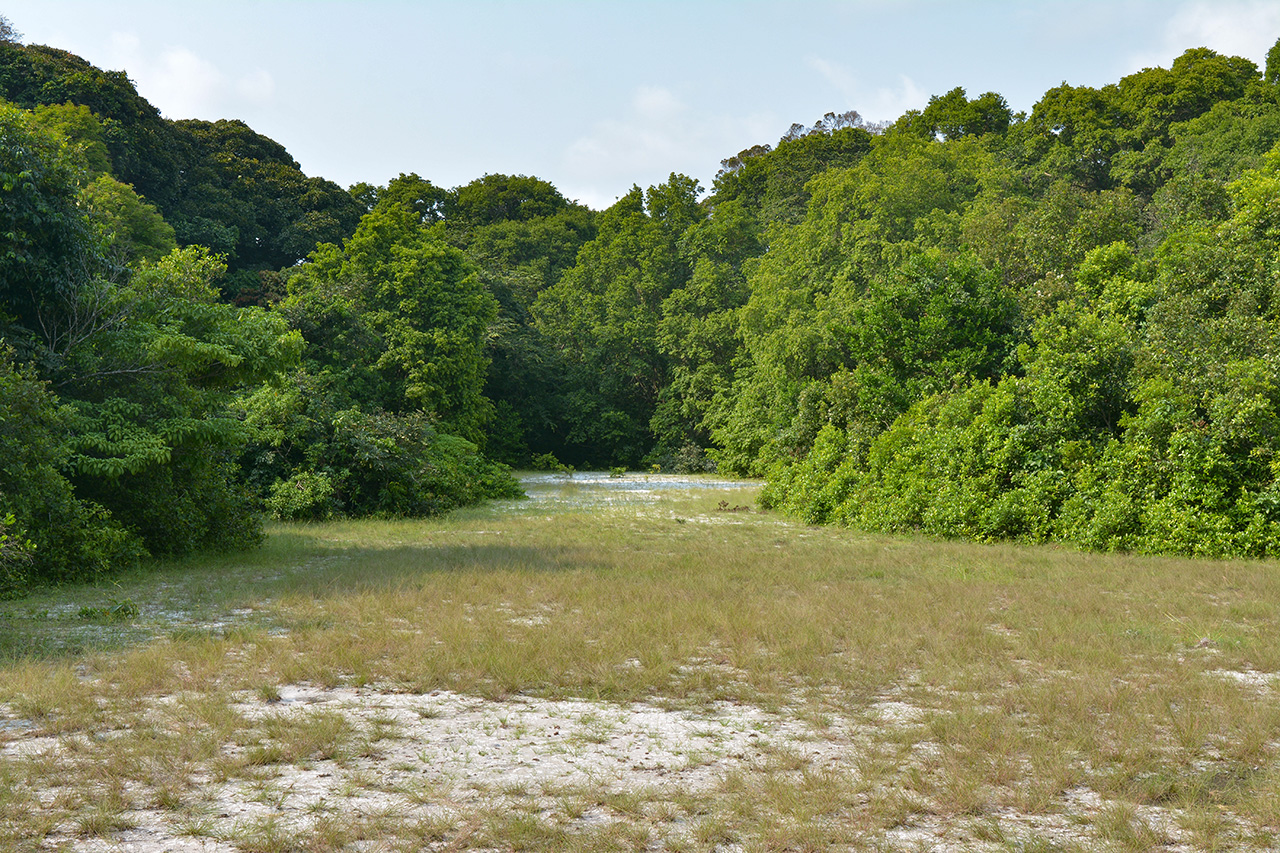
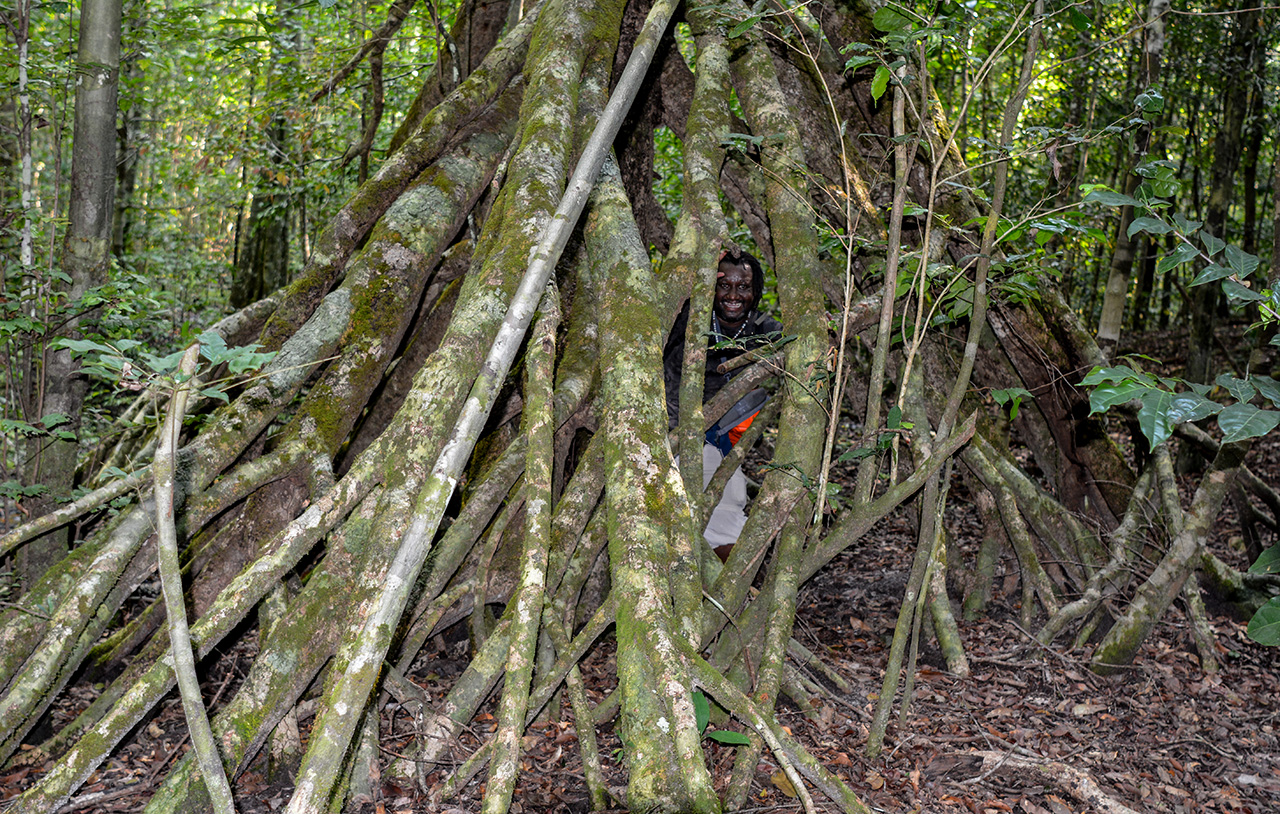
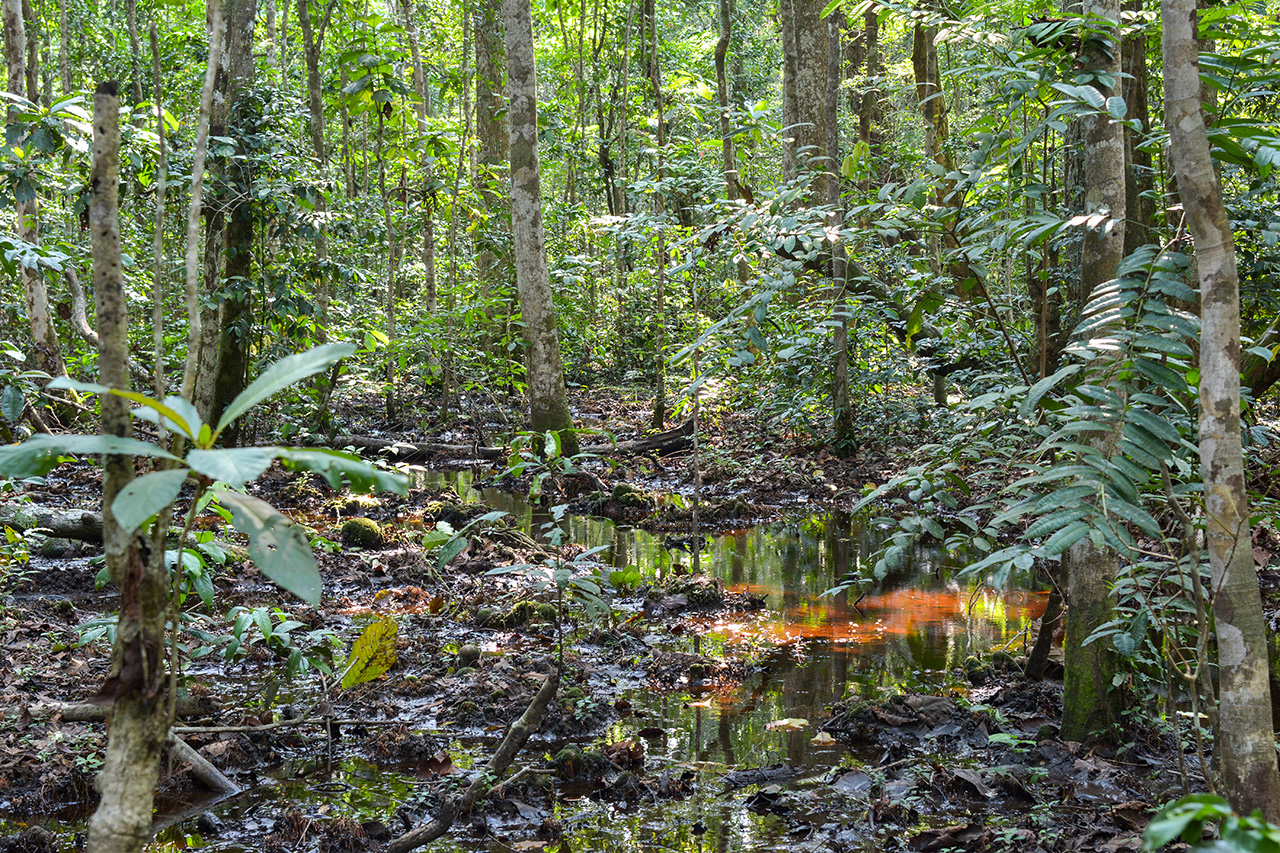
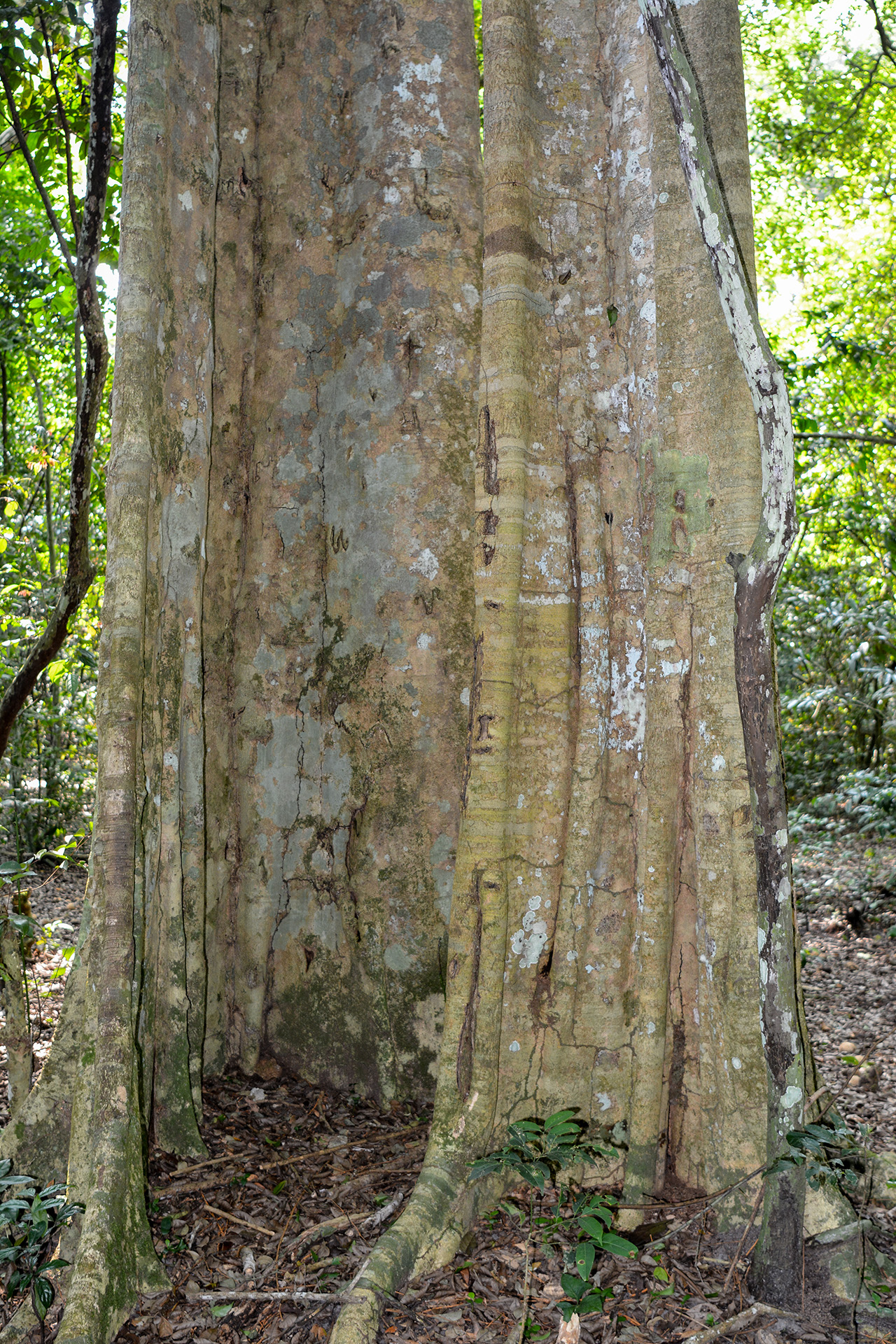
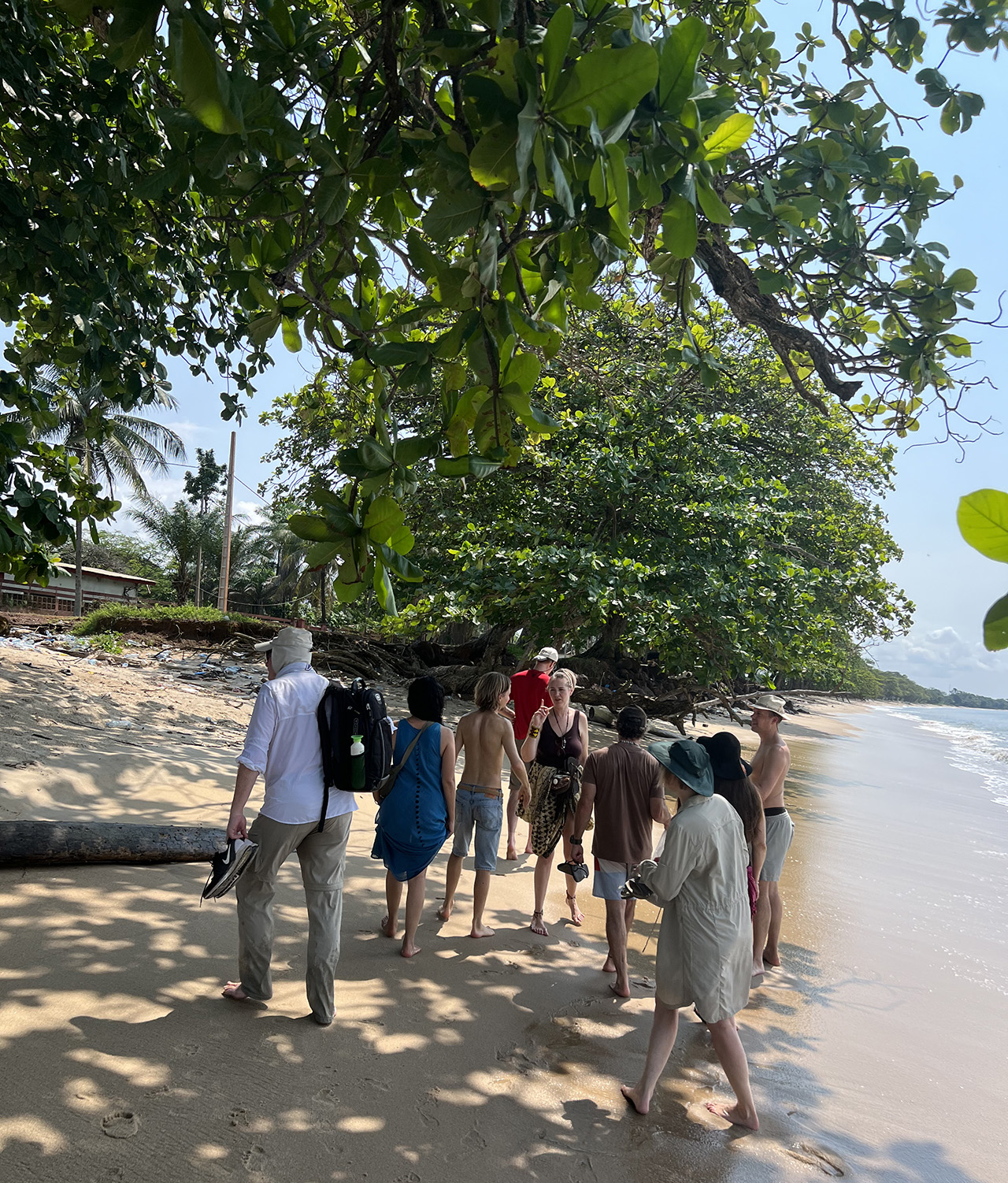
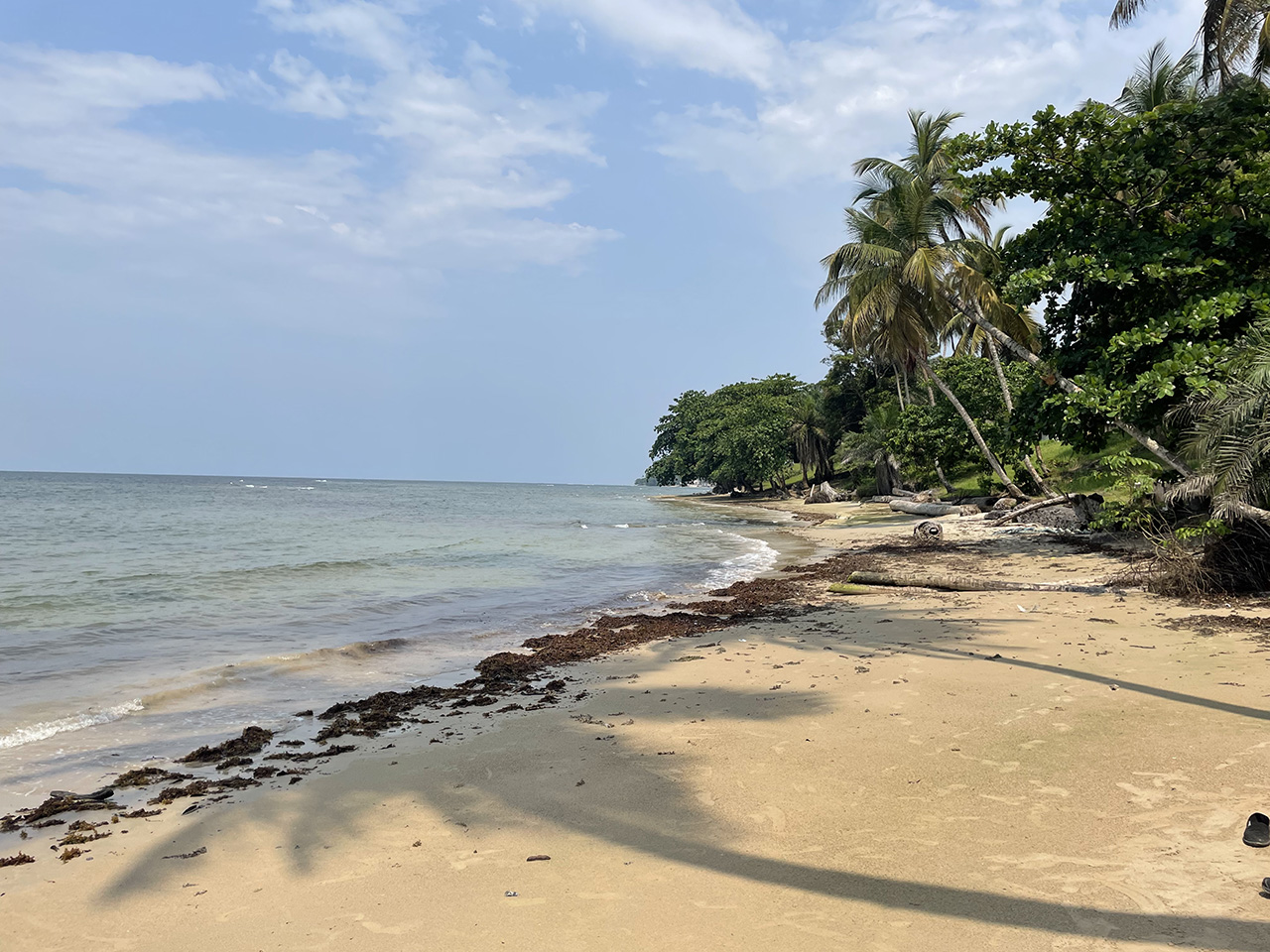
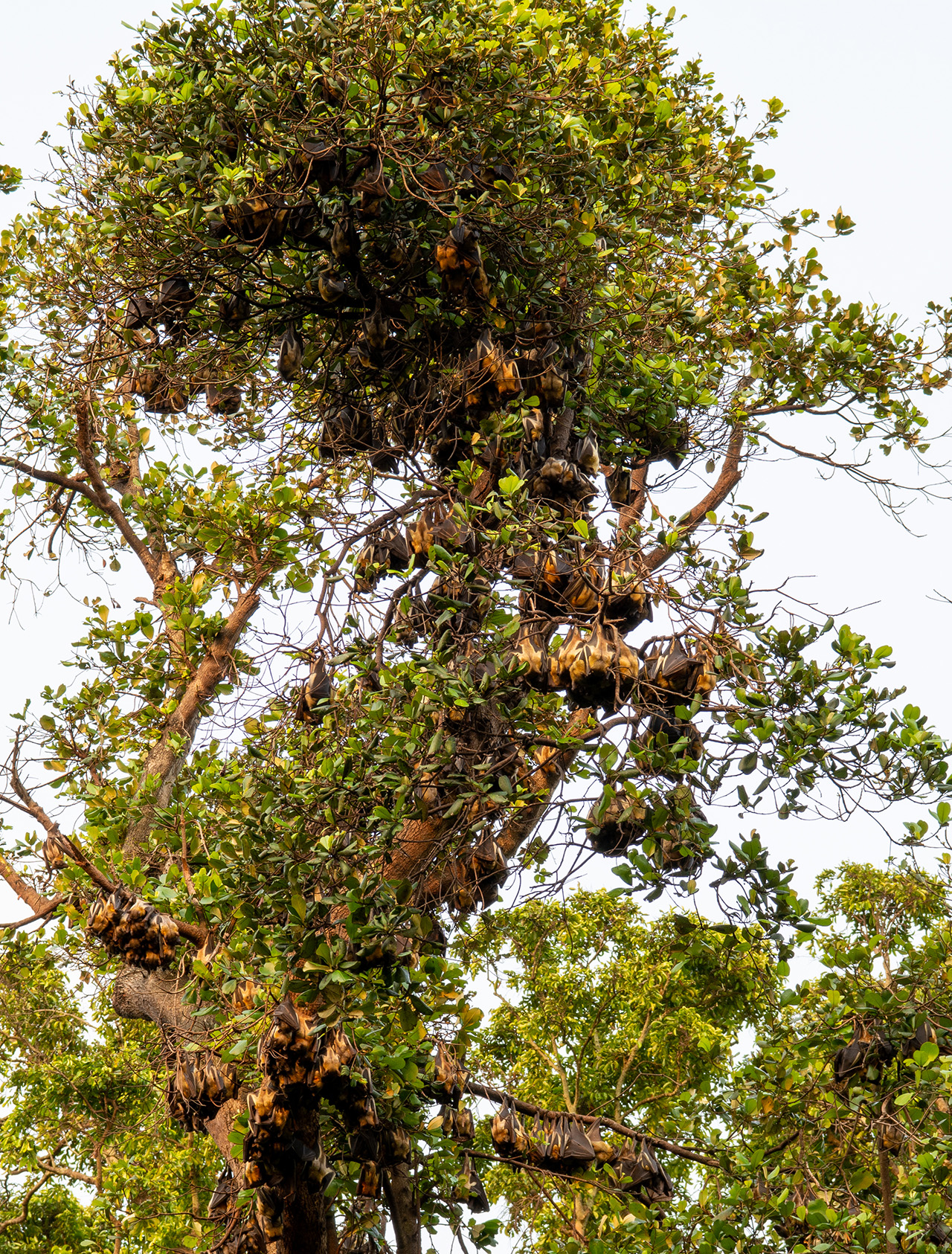
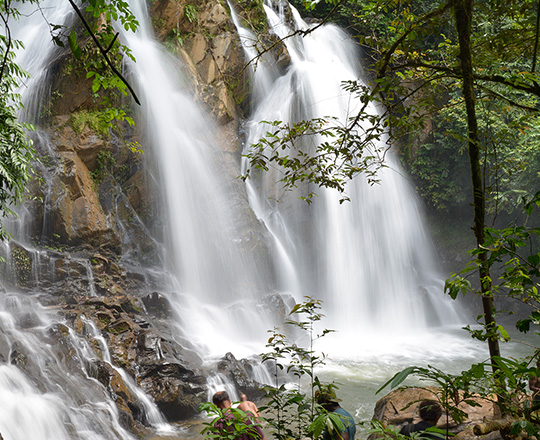
Below you find some pictures of the different National parks (NP) that our visitors have taken after our ceremony. Again, it is really worth the extra time and budged to spend a couple of extra sunsets and sunrises in one of these parks as after an iboga ceremony you are so much more connected and one with nature, that this will be an unforgettable gift to yourself. In the package that we have made with Medzime Assock, it includes the Akanda NP with or without Mont Crystal, that are both in between Libreville and our village.

keyboard

Use keyboard to scroll through the images